Your empire is collapsing under the weight of its own menus. After eight years and over 30 expansions, the galaxy has become crowded—not just with aliens, but with mechanics that threaten to bury the gameplay experience. Paradox Interactive is now openly confronting the Ever-Expanding Scope Paradox, a phenomenon where adding more depth eventually starts to subtract from the actual fun.
What this means for players: The upcoming Season 10 content represents a critical crossroads where the developers must choose between maintaining a functional grand strategy game and fulfilling the infinite demands of a narrative-hungry community. As the total cost of the complete Stellaris experience climbs toward the $200 mark, the studio is forced to rethink how much more the aging engine can actually take.
Paradox Confronts the Growing Content Bloat Crisis
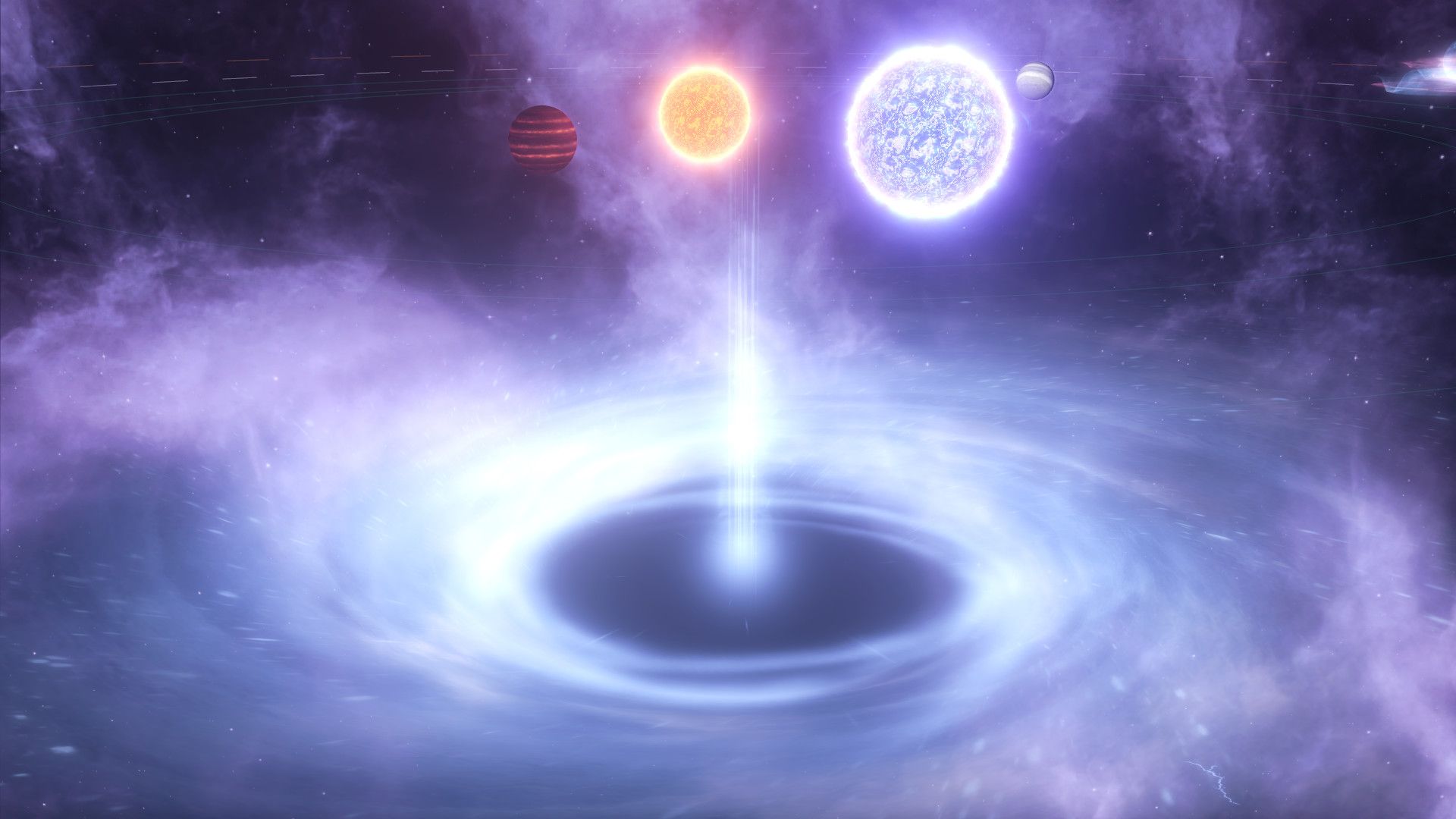
The numbers are staggering for any newcomer. With more than 30 pieces of DLC currently available, the barrier to entry for Stellaris is no longer just a learning curve—it is a financial and cognitive wall. Paradox recently confirmed that Season 10 will introduce even more variables, including specific scenarios and the long-requested "nomads" playstyle. While these additions excite veterans, they exacerbate the Content Bloat that has been a point of contention in community forums for years.
The studio is well aware that the game is bursting at the seams. Managing a late-game empire in 2024 requires navigating dozens of tabs and specialized resources that didn't exist when the game launched in 2016. Each new system added to the Ever-Expanding Scope Paradox creates a ripple effect, often breaking old balance or making the user interface feel like a spreadsheet from a dystopian future. The cumulative cost and complexity are now primary hurdles for the title’s continued growth.
Defining the Core Strategy vs Narrative Focus
Internal debates at Paradox are heating up over what the game should actually be. Henrik Fåhraeus, the Chief Creative Officer, maintains a traditionalist view, stating that the Core Identity of the game should always be the "joy of exploring the unknown." This vision prioritizes the mystery of the early game and the strategic tension of discovering a galaxy that feels truly alien. It is a philosophy rooted in the grand strategy genre's roots: systems, map painting, and cold, hard logic.
However, the current Director, Murray, sees a different path. He argues that the game’s success is driven by the "number of player fantasies" it can fulfill. This has led to a significant shift toward Defining the Core Strategy vs Narrative Focus, with recent updates leaning heavily into RPG-style content and branching story paths. While this makes for great storytelling, critics argue it dilutes the strategic depth that originally defined the Paradox brand. This tension between a tight strategy loop and a sprawling space-opera generator is the heart of the current identity crisis.
Game Evolution and the Epic Mess

Reflecting on the Game Evolution over the last near-decade, Fåhraeus recently admitted that the original design goal has been completely transformed. Stellaris was initially pitched as an "approachable grand strategy game with a very clean interface." That version of the game is effectively dead. In its place is what some developers refer to as an "epic mess"—a massive, beautiful, but undeniably cluttered collection of ideas that have been layered on top of one another since 2016.
This evolution was not accidental. The "live service" nature of Paradox titles demands constant novelty to keep players engaged. But the Ever-Expanding Scope Paradox suggests that the more you add to a clean interface, the more you lose the accessibility that made the game a hit in the first place. The simplicity of the early years has been sacrificed at the altar of variety, leaving the dev team to figure out how to streamline the experience without cutting the content players have already paid for.
Looking Ahead Season 10 and Beyond

The roadmap for Looking Ahead Season 10 and Beyond promises to double down on the narrative elements that Murray champions. The inclusion of nomads will finally allow players to traverse the stars without being tethered to a single planet, a mechanic that fundamentally changes the flow of the game. Scenarios will also provide more curated experiences, potentially offering a way for players to engage with specific mechanics without needing to manage a 400-star empire simultaneously.
Paradox is betting that more "story-first" content will keep the community invested despite the technical debt. If Season 10 succeeds in making these complex systems feel intuitive, it could provide a blueprint for how the studio handles its other aging franchises. However, if the UI continues to fragment, the Ever-Expanding Scope Paradox might finally reach its breaking point, forcing a total sequel or a massive mechanical "pruning" that the studio has so far avoided.
The development team will likely pivot toward a modular DLC system that allows players to toggle specific mechanical "layers" off without losing the narrative flavor of the galaxy. Expect the user interface to undergo a radical, potentially controversial overhaul during Season 10 to prevent the "epic mess" from becoming unplayable for new users. The long-term survival of the franchise depends on whether Paradox can successfully bridge the gap between hard strategy and space-RPG fantasies before the weight of $200 worth of content collapses the experience entirely.
Frequently Asked Questions
When is the Stellaris Season 10 release date?
Paradox has not set an exact date yet, but Season 10 content is expected to roll out throughout late 2024 and early 2025. This cycle will introduce the new nomad mechanics and specialized scenarios.
How much does it cost to buy all Stellaris DLC?
The total cost for all 30+ expansions and packs currently exceeds $200 when not on sale. Paradox offers a subscription service for players who want to access all content without the high upfront cost.
What are the new Nomads in Season 10?
Nomads are a new gameplay style that allows players to function as a space-faring civilization without traditional planetary borders. This shift focuses more on narrative events and mobile fleets rather than static empire management.
Confirmed details first, useful context second. This is the quickest path to the source trail and the next pages worth opening.
Source date: May 10, 2026