Forget everything you thought you knew about PC gaming controllers. Valve is quietly, yet profoundly, reshaping how we interact with our favorite titles, especially if you're a Steam Deck user.
New insights reveal an intense focus on the Steam Controller, not just as a peripheral, but as a critical piece of Valve's larger vision for seamless PC input. This isn't just about a new gadget; it's about a foundational shift in how we experience games, whether docked or handheld. What this means for players: your gameplay experience across devices is about to become far more consistent and intuitive, bridging the gap between console-like comfort and PC's vast library.
Valve's Core Consistency for Steam Deck
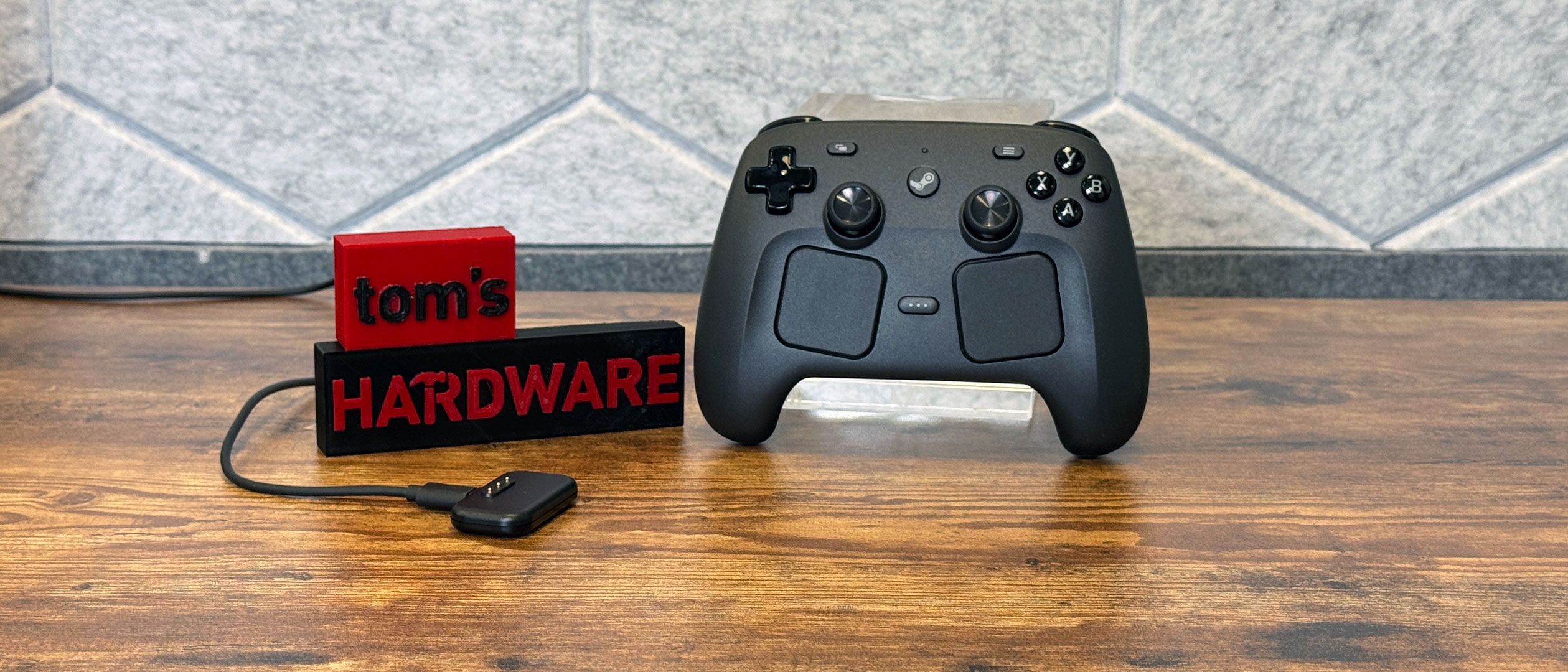
At the heart of Valve's latest initiative is a commitment to consistency, particularly for the surging population of Steam Deck owners. Imagine docking your Deck to a big screen, ready for some serious PC play, only to find your muscle memory betrayed by a generic controller. Valve's new Steam Controller is engineered specifically to eliminate that friction.
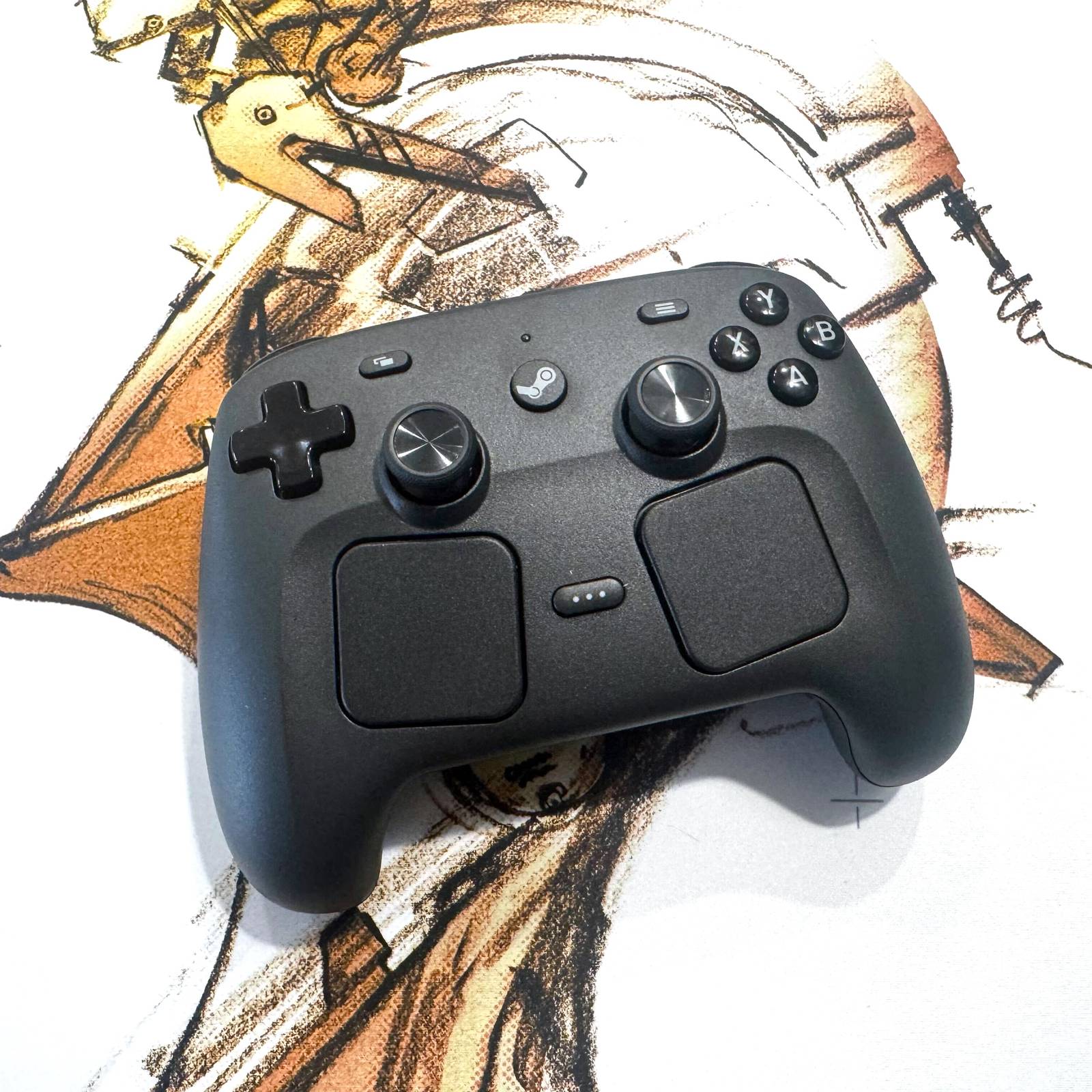
Its design isn't just inspired by the Steam Deck; it mirrors its inputs with uncanny precision, offering an enhanced, standalone version tailored for broader PC use. The goal here is simple: maintain that natural, comfortable feel for Deck users while injecting advanced functionality. Core inputs, from face buttons to rumble feedback, have been meticulously refined. One crucial addition addresses a common pain point: back buttons. These were specifically integrated to ensure all game functions remain accessible, directly tackling the "claw grip" issue many players adopted for camera manipulation. It's a clear signal that Valve is listening to its community, building a device that feels like an extension of the Deck, yet stands on its own as a premium PC input solution.
Advanced Input Technologies and Features
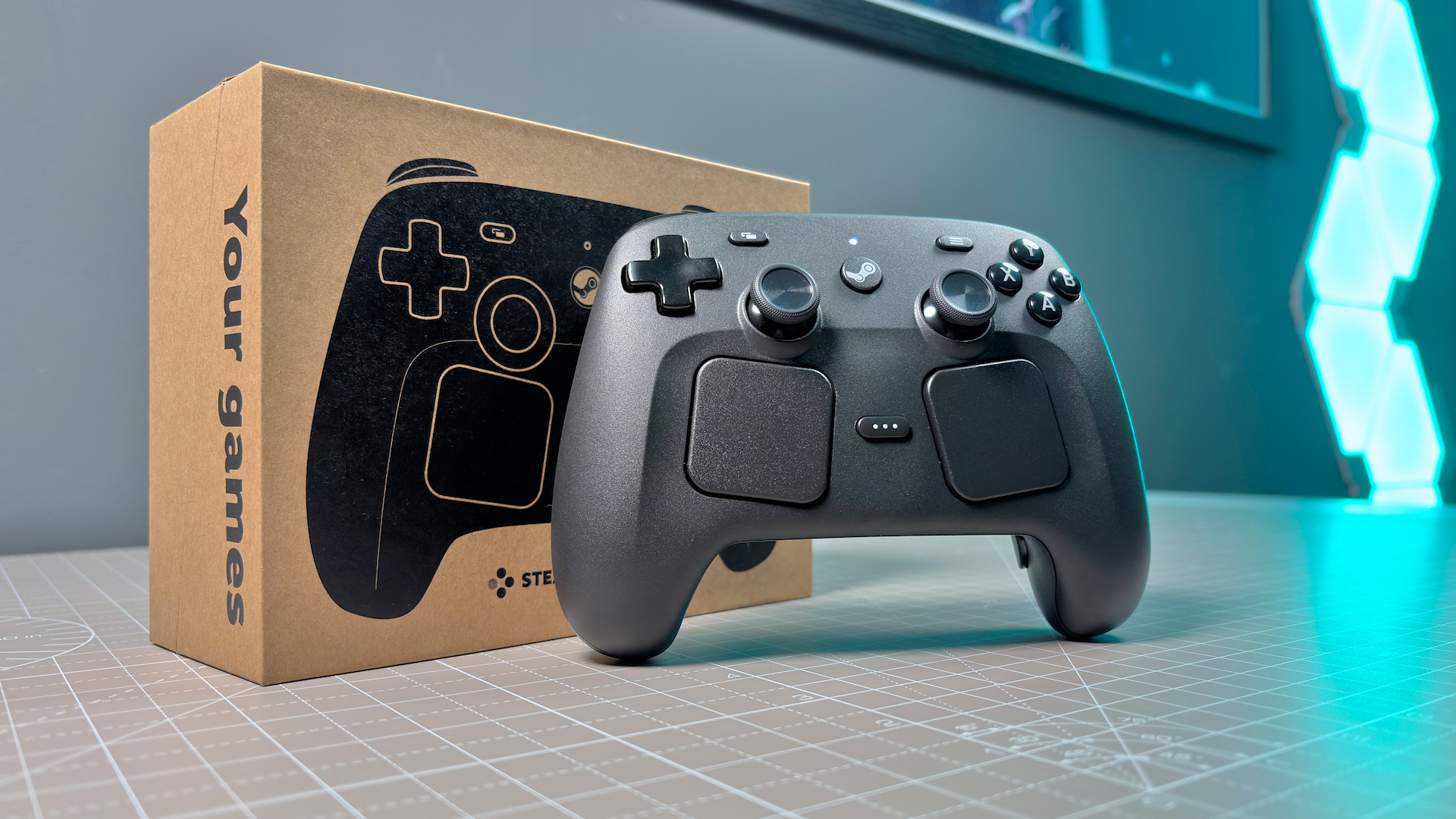
Beyond ergonomic consistency, Valve is pushing the envelope with Advanced Input Technologies and Features. The new Steam Controller comes equipped with TMR joysticks, a deliberate choice by the development team. While Hall effect technology often grabs headlines, TMR was selected for its significantly lower power consumption, a vital factor for extended gaming sessions.
Perhaps the most exciting addition for competitive players is the Grip Sense feature. This directly supports the growing community leveraging gyroscopic inputs in mouse and keyboard games, offering a new layer of precision and control. Recognising that advanced functionality can intimidate new users, Valve is actively developing simplified 'how-to' tutorials for Steam Input. These guides will demystify settings like trackpad and gyro setup, ensuring baseline compatibility without overwhelming players. Crucially, complex Steam Input functionality remains entirely optional, meaning users can still achieve basic controller compatibility straight out of the box, free from deep configuration menus. This approach ensures accessibility for all, while still empowering power users.
Technical Development Insights from Valve
Peeking behind the curtain reveals some fascinating Technical Development Insights into Valve's philosophy. The decision to implement TMR joysticks, for instance, wasn't just about power; it was a testament to the technology being "just ready enough" at the time of development. Valve's team, including programmers Pierre-Loup Griffais and Steve Cardinali, recognized the long-term value and potential of TMR, even as it matured.
Their discussions shed light on the detailed design choices and the underlying philosophy that guided the development of the Steam Controller Focus Enhancing PC project. It's clear that every component and feature was considered through the lens of enhancing the PC gaming experience, especially for those bridging the gap with the Steam Deck. This deep dive into the engineering process underscores a commitment to innovation that doesn't just chase trends but aims to set new standards for input devices.
The implications for the wider PC gaming ecosystem are massive. This isn't just about a new controller; it's about Valve doubling down on its unique input ecosystem, promising a future where your gaming experience is tailored, consistent, and exceptionally precise. Experts predict this renewed focus will drive further innovation in third-party peripherals, pushing the entire industry forward. We could see a new era of input devices designed from the ground up to integrate seamlessly with Steam Input, offering unparalleled customization and performance for every player.
Frequently Asked Questions
What is the primary goal of the new Steam Controller?
The main goal is to provide a consistent and reliable input experience, especially for Steam Deck users who dock their device for PC play, mirroring the Deck's inputs while adding advanced functionality.
What advanced technologies are featured in the Steam Controller?
It includes TMR joysticks for lower power consumption and a Grip Sense feature to support competitive players using gyroscopic inputs in mouse and keyboard games.
How does Valve make advanced Steam Input features accessible?
Valve is creating simplified 'how-to' tutorials for new users, covering topics like trackpad and gyro setup, and ensures that advanced functionality remains optional so users can achieve basic compatibility without complex settings.
Confirmed details first, useful context second. This is the quickest path to the source trail and the next pages worth opening.
Source date: May 4, 2026