Star Wars Zero Company: Moral Ambiguity Hits the Clone Wars
The Star Wars universe, long a battleground of clear-cut good versus evil, is poised for a seismic shift with the upcoming Star Wars Zero Company. Narrative director Aaron Contreras is pushing the boundaries, injecting a potent dose of moral ambiguity into the heart of the Clone Wars. This isn't your grandfather's Star Wars; players will be forced to grapple with shades of gray, navigating not just blaster fire but also the complex interpersonal conflicts and clashing worldviews of their own squadmates. Why this matters: It signals a bold new direction for licensed gaming, moving beyond predictable power fantasies to explore the gritty realities of war and leadership.
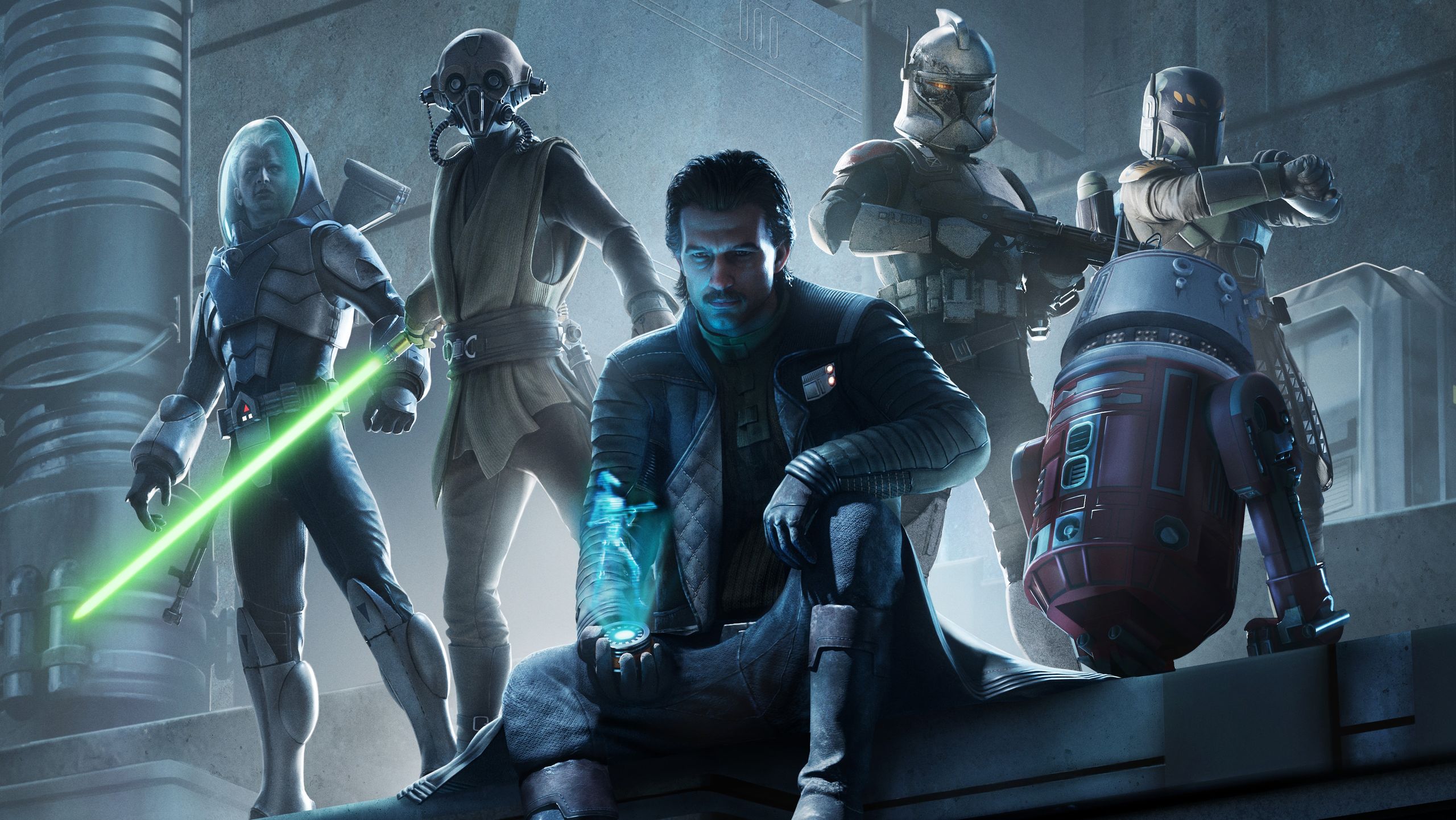

Forget the lone wolf Jedi or the all-conquering Republic hero. Star Wars Zero Company is flipping the script, placing an unprecedented emphasis on team management over solo heroics. Players will step into the boots of a squad leader, tasked with guiding their unit through perilous missions. Success won't just hinge on tactical prowess in combat, but critically, on the strength of relationships forged within the squad. This focus on leadership, on understanding and managing the human (and clone) element, is a radical departure from the typical Star Wars gaming experience, which often centers on the individual's journey.
Star Wars Zero Company's Bond System Redefines Squad Dynamics
At the core of this new approach is an innovative "Bond System." This isn't just a cosmetic addition; it's a fundamental mechanic designed to track the evolving relationships among your squadmates. Over time, interactions, decisions, and shared experiences will strengthen or fray these bonds. The implications are significant: a cohesive, trusting squad will likely perform better, offer unique advantages, and perhaps even influence the narrative itself. Conversely, fractured relationships could lead to insubordination, decreased morale, and ultimately, mission failure. This system promises to infuse every decision with weight, forcing players to consider the emotional and psychological toll of leadership in a galaxy at war.
Contreras's vision for Zero Company suggests a deep dive into the psychological landscape of the Clone Wars, a period often characterized by the tragic irony of genetically engineered soldiers fighting for a cause they may not fully understand, and whose very existence is a moral quandary in itself. By forcing players to confront these internal conflicts within their own unit, the game aims to mirror the broader ethical dilemmas faced by the Republic. This move towards narrative complexity and player agency in shaping squad dynamics could set a new benchmark for how licensed games engage with their source material.
The potential for emergent storytelling here is immense. Imagine a crucial moment in a mission where a squadmate, whose bond with you is strained, disobeys a direct order, leading to unintended consequences. Or perhaps a deeply loyal trooper, forged through shared hardship, sacrifices themselves to ensure your survival. These are the kinds of high-stakes, character-driven moments that Zero Company is aiming to deliver, moving beyond simple objective completion to create a truly memorable and impactful experience.
This approach also taps into a growing trend in the gaming industry: the desire for more mature and thought-provoking narratives, even within established, family-friendly franchises. Players are increasingly seeking experiences that challenge them intellectually and emotionally, not just reflexively. Star Wars Zero Company, with its focus on leadership, moral compromise, and interpersonal drama, appears to be perfectly positioned to capitalize on this demand. It’s a gamble, certainly, to move away from the established power fantasies that have defined many previous Star Wars titles, but one that could pay off handsomely if executed with the narrative depth promised.
The Clone Wars era itself provides fertile ground for such exploration. It was a conflict rife with moral compromise, where ideals were tested and the lines between right and wrong blurred. The Jedi, tasked with leading the Republic's armies, found themselves in a position of unprecedented military power, a far cry from their traditional role as peacekeepers. Zero Company seems poised to explore this complex duality from the ground up, through the eyes of the soldiers who fought and died in that conflict. The emphasis on squad relationships suggests that even the smallest cog in the war machine has a story to tell, and that their individual experiences and loyalties can have a profound impact on the larger war effort.
Furthermore, the success of games like XCOM, which masterfully blend tactical combat with the permanent death and development of individual soldiers, demonstrates a clear appetite for squad-based gameplay where player investment in characters is paramount. Zero Company appears to be taking this concept and infusing it with the rich lore and character potential of the Star Wars universe. The challenge will be in balancing the strategic demands of combat with the nuanced development of these interpersonal bonds, ensuring that neither aspect feels superficial or tacked-on.
The implications for the future of Star Wars gaming are significant. If Zero Company proves successful, it could pave the way for more games that explore different facets of the galaxy far, far away, moving beyond the Skywalker saga and delving into the lives of ordinary soldiers, smugglers, and citizens. It could signal a broader willingness from Lucasfilm Games to embrace diverse storytelling approaches and experimental gameplay mechanics within their cherished IP. The pressure will be on to deliver a narrative that is as compelling as the combat, and a bond system that feels meaningful and impactful throughout the player's journey.
The path ahead for Star Wars Zero Company is not without its challenges. Critics and fans alike will be scrutinizing its every move, eager to see if it can truly deliver on its ambitious promises. But the potential for a truly unique and mature Star Wars experience, one that explores the human cost of war and the complexities of leadership, is undeniably exciting. This is more than just another Star Wars game; it’s a potential turning point for the franchise in the interactive space.
Frequently Asked Questions
When is Star Wars Zero Company expected to be released?
An official release date has not yet been announced by the developers. Players are advised to keep an eye on official Star Wars gaming channels for future updates.
What platforms will Star Wars Zero Company be available on?
While specific platforms have not been confirmed, it is anticipated to launch on current-generation consoles and PC. This is a common release strategy for major AAA titles.
How does the Bond System in Star Wars Zero Company work?
The Bond System tracks the relationships between squadmates, influenced by player decisions and shared experiences. Stronger bonds can lead to improved squad performance and unique narrative outcomes.
Tags : #StarWarsZeroCompany #MoralAmbiguityInGames #InterpersonalConflictsGaming #PlayerChallengesStarWars #GameNewsUpdate
Confirmed details first, useful context second. This is the quickest path to the source trail and the next pages worth opening.
Source date: April 5, 2026