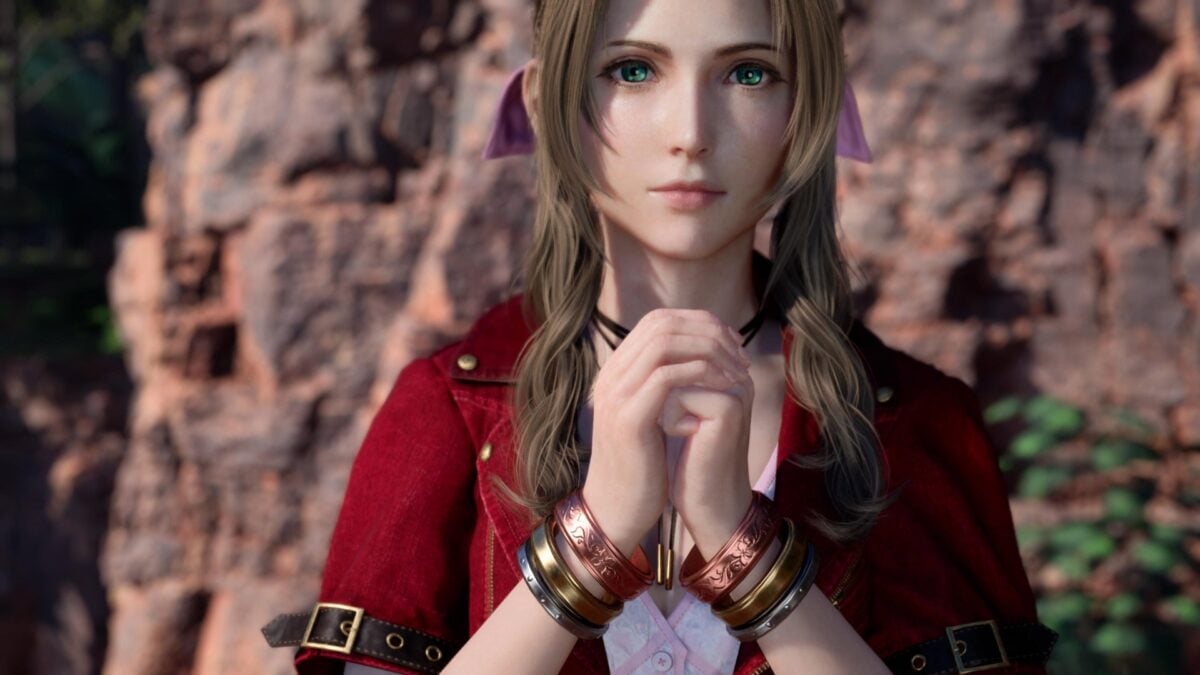
Hamaguchi Calls Out *Rebirth*'s Grind: Trophy Issues Explained
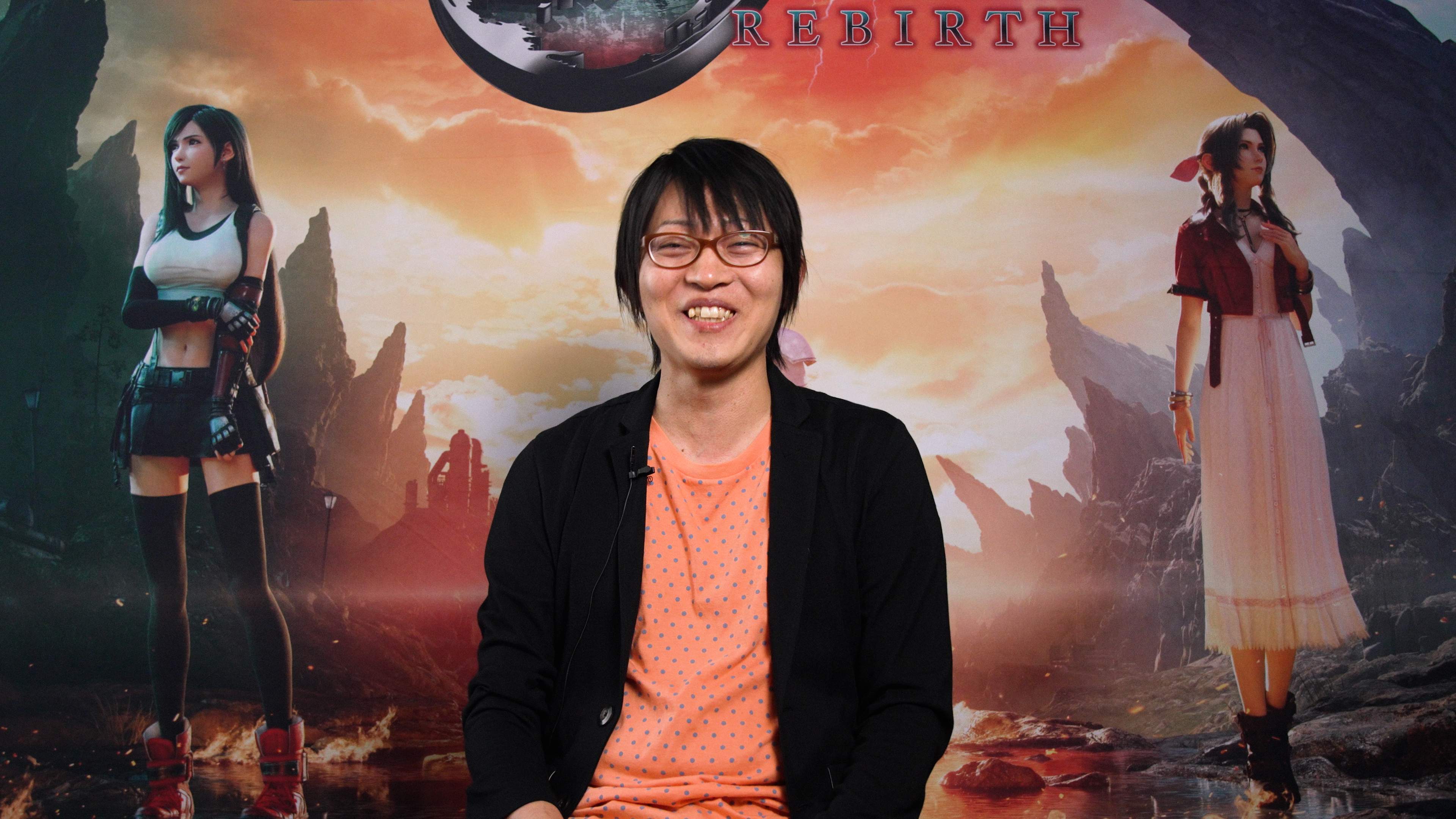
Did Square Enix just admit that *Final Fantasy VII Rebirth* is too much work? The hype surrounding the newest chapter of the epic trilogy has been deafening, but industry insider Naoki Hamaguchi dropped a truth bomb, criticizing the very structure of the game's achievements. The revelation that the trophy requirements might be "exceptionally tiresome to grind out" throws a major wrench into the celebratory mood, forcing players to confront the reality of the notorious 200-hour platinum chase.
Why this matters: This isn't just a minor critique; it highlights a broader, systemic issue within modern AAA gaming regarding mandatory completionism. What this means for players: The conversation is shifting from "Is the game good?" to "Is the developer asking for too much?"
Key Takeaways:
- Square Enix Director Hamaguchi publicly criticized the trophy structure of *Rebirth*.
- Achieving Platinum status requires an estimated 200 hours, significantly more than the previous installment.
- The development team is reportedly adjusting the final game to make the trophy process more enjoyable and less mandatory.
Hamaguchi Criticizes The Rebirth Grind

The conversation started with a candid assessment from Naoki Hamaguchi, the director who has guided the *Final Fantasy VII* remake series. In a move that surprised many fans, Hamaguchi didn't praise the completionist requirements; he called them out. He admitted that the trophy structure demanded players perfect every single element of the sprawling world, labeling some achievements "exceptionally tiresome to grind out."
The scale of the commitment is staggering. For players aiming for the ultimate Platinum trophy, the estimated time sink for *Rebirth* is around 200 hours. To put that into perspective, the previous title, *Final Fantasy VII Remake*, required a substantially less daunting commitment, with Platinum status achievable closer to 60 hours. This massive jump immediately placed the title under the scrutiny of the community, raising concerns about the sheer longevity and necessary dedication for a full experience.
The core problem isn't the game's quality, but the reward mechanism. The desire to achieve a perfect 100% completion rate has morphed into an obligation, turning the celebratory journey into a demanding, repetitive chore.
Balancing the Experience for Final Fantasy VII

However, the message wasn't entirely negative. Hamaguchi did praise the final installment, noting that the team has focused on making the trophy earning process genuinely enjoyable. He spoke of a "more diverse world and game design" in the final part of the saga, suggesting a positive shift away from the mandatory, repetitive grind that plagued earlier achievements.
The developers are actively listening. The team has reportedly implemented "thorough balancing adjustments" specifically for the final act of the story. This indicates a responsive design philosophy, aiming to integrate the necessary challenges into the narrative flow rather than making them isolated, tedious tasks. The goal seems to be making the trophy chase feel like an extension of the adventure, not a mandatory chore list.
What Does This Mean for Players?
The criticism leveled at *Rebirth* is part of a larger pattern in modern gaming, a pattern that Square Enix, and others, have struggled with. The company has a history of setting incredibly high completion barriers, often requiring players to beat the game multiple times—sometimes even in "Hard Mode"—just to hit the full trophy count. This can feel exploitative.
The current discussion over the Final Fantasy VII Rebirth trophy grind issues isn't unique; it’s a conversation about player agency. Gamers are increasingly demanding that development teams prioritize the core narrative experience over the pursuit of arbitrary completion metrics. This shift puts pressure on Square Enix to refine its design philosophy moving forward.
This conversation underscores a vital industry shift: the focus is moving away from sheer playtime hours and towards genuine, quality player experience. The goal is less about selling a "hundred-hour epic" and more about delivering a polished, rewarding, and sustainable adventure.
How Does Hamaguchi Final Fantasy VII Remake Part 3 Address This?
The ongoing discussion surrounding the Final Fantasy VII Rebirth completion time has forced the developer to reconsider how they structure their rewards. The key takeaway is that the next phase of the story must find a balance. It needs enough content to satisfy the completionists while ensuring that the majority of the player base can enjoy the epic scope without feeling perpetually penalized by arbitrary requirements.
This scrutiny is beneficial for the fanbase. It means that the development team is acutely aware of the community's frustration with the excessive demands, giving the next phase a unique chance to set a new standard for the franchise.
Frequently Asked Questions
Will the trophy grind for Rebirth be adjusted?
The development team is reportedly making thorough balancing adjustments for the final installment. Hamaguchi suggested a shift in focus to make the trophy earning process genuinely enjoyable and less mandatory.
What is the expected completion time for the FF7 Remake trilogy?
While the total time is highly variable based on playstyle, the sheer volume of content means the dedication required for full Platinum status is significant. However, the developers are working to make the experience feel more balanced.
Are there differences between FF7 Remake and Rebirth's trophy requirements?
Yes, the estimated hours differ significantly. Platinum status for *Rebirth* is estimated to be much higher than the required time for the first major title, highlighting the increased scope and depth of the final chapter.
The industry will be watching closely to see if these adjustments hold up to the scrutiny. If the developers successfully streamline the completion goals, it could set a new benchmark for how massive, modern RPGs handle their achievement structures. Otherwise, the legacy of excessive grind might linger, reminding players that even the greatest adventures come with a steep, mandatory price tag.
Experts predict that future installments will adopt a tiered completion system, separating mandatory story progression from optional, high-difficulty challenge content. This model allows players to enjoy the narrative without feeling forced into endless side-quest loops. Ultimately, the success of the final chapter will hinge on finding this perfect, delicate balance.
Confirmed details first, useful context second. This is the quickest path to the source trail and the next pages worth opening.
Source date: May 23, 2026