SPEC CPU 2026 Officially Arrives: Is Your Rig Ready for the Next Benchmark? The benchmark wars just got a serious upgrade. The Standard Performance Evaluation Corporation (SPEC) has officially launched SPEC CPU 2026, a massively expanded benchmark suite that promises to redefine how we measure CPU performance. This isn't just a minor refresh; it's a significant leap forward, packing 52 individual tests – nine more than its predecessor, SPEC CPU 2017. Why this matters: For PC builders and enthusiasts, this means a new, more comprehensive standard for evaluating the raw power and efficiency of the processors that fuel our gaming rigs and workstations. The scope of these tests is also designed to be incredibly broad, aiming for portability across everything from tiny Raspberry Pis and Windows-on-ARM laptops all the way up to massive server farms. SPEC CPU 2026 Architecture Deep Dive At its core, SPEC CPU 2026 is built to provide deterministic results, a crucial factor for reliable performance evaluation. This is achieved through meticulous application modification – for instance, swapping out `std::sort` for `std::stable_sort` in certain scenarios. The focus remains squarely on user-space execution, demanding that at least 95% of a test's runtime occurs within this critical code segment. This ensures the benchmarks are testing the CPU's capabilities in a real-world, application-driven environment, rather than getting bogged down in operating system overhead. The suite meticulously measures four fundamental performance metrics: integer speed, integer throughput, floating-point speed, and floating-point throughput. These are the bedrock metrics that determine how quickly your CPU can crunch numbers, handle complex calculations, and manage the demands of modern software. 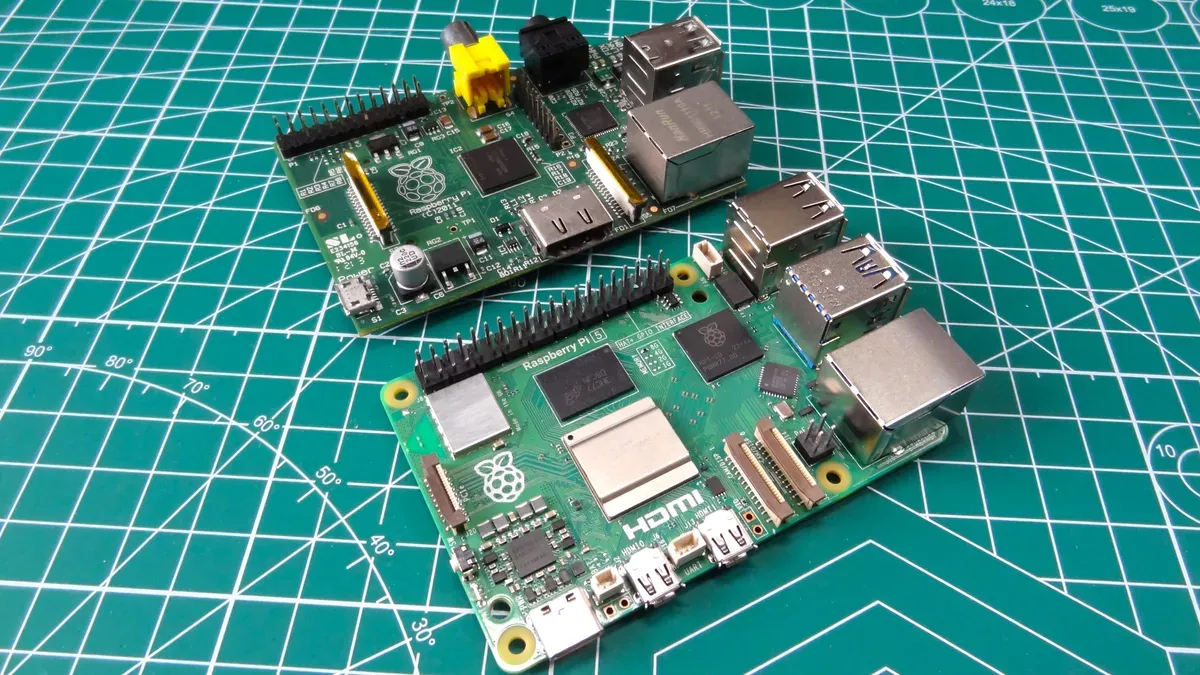 A notable aspect of the SPEC CPU 2026 release is the exclusion of certain key AI workloads, such as llama.cpp and whisper.cpp. This decision wasn't arbitrary. SPEC found that forcing these cutting-edge AI tools into their strict, portable C++ codepaths fundamentally altered their real-world behavior. The goal of SPEC benchmarks is to reflect actual performance, and in these cases, the modifications would have led to results that didn't accurately represent how these AI applications perform in their native environments. This highlights the delicate balance SPEC strikes between standardization and realistic representation. This performance evaluation suite is setting a new bar. The emphasis on specific architectural metrics and the thoughtful approach to application integration mean that SPEC CPU 2026 results will be a critical resource for anyone looking to make informed hardware decisions. The sheer breadth of tests ensures a more holistic view of CPU capabilities than ever before.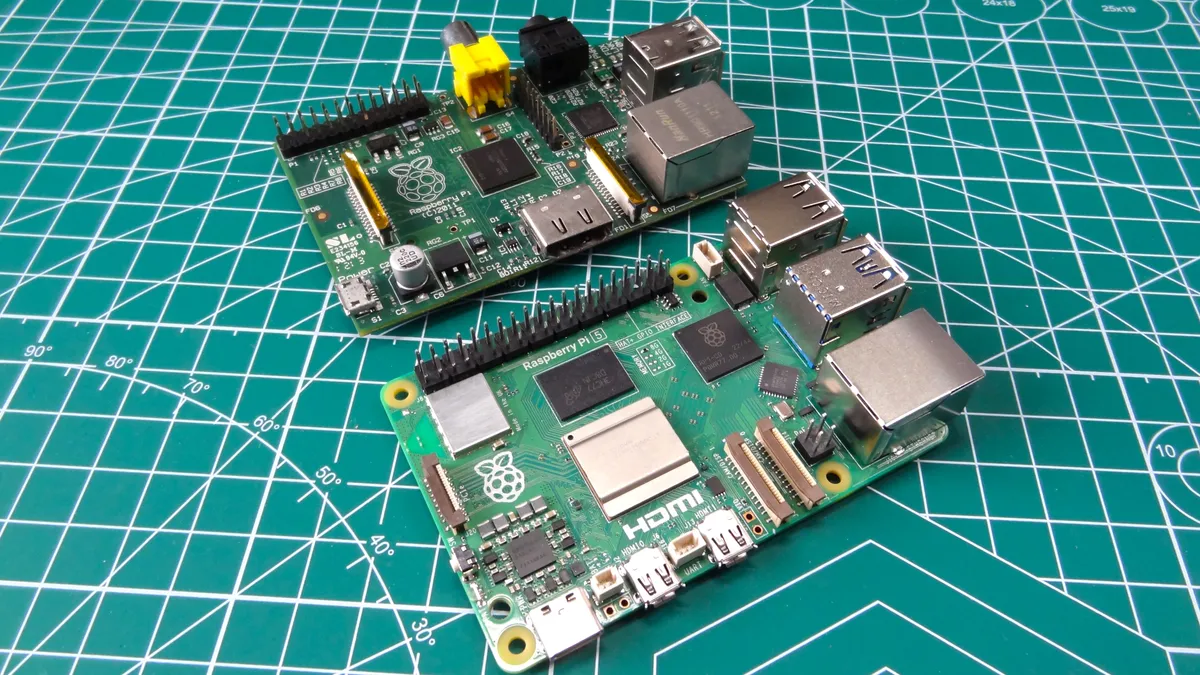
AI Workloads Excluded from SPEC CPU 2026
SPEC CPU 2017 Results Requirement
For those already invested in the previous generation, a crucial deadline looms. Starting August 11, and continuing through November, SPEC will require that any submitted SPEC CPU 2026 results must also be accompanied by corresponding SPEC CPU 2017 scores. This mandate ensures continuity and allows for direct comparison between the new and older benchmark suites, providing valuable insight into performance gains and architectural shifts across generations of CPUs. This requirement is vital for understanding the real-time performance benchmarks of new hardware. What this means for players: When new CPUs hit the market, you'll be able to see how they stack up not just against their peers on the latest benchmark, but also how they've improved over previous architectures, giving you a clearer picture of generational leaps in gaming performance.The Future of CPU Performance Evaluation
The introduction of SPEC CPU 2026 marks a significant evolution in how we understand CPU performance. Its expanded test suite, focus on deterministic and user-space execution, and careful consideration of AI workload integration paint a picture of a benchmark designed for the complexities of modern computing. For gamers and PC enthusiasts, this means more accurate, more comprehensive data to inform those all-important upgrade decisions. The value-per-dollar calculations for future CPUs will undoubtedly be influenced by these new results. The benchmark suite's detailed technical scope, while excluding certain AI applications, ensures that the included tests are robust and representative. This meticulous approach to performance evaluation is exactly what the PC building community needs to navigate the ever-advancing landscape of CPU specifications. For gamers, the implications are clear: expect more precise comparisons, deeper insights into CPU efficiency, and ultimately, better-informed choices when building or upgrading your high-performance gaming rig. The best CPUs for gaming will soon be defined by their scores on this demanding new standard.Frequently Asked Questions
What is SPEC CPU 2026?
SPEC CPU 2026 is a new, comprehensive benchmark suite released by the Standard Performance Evaluation Corporation (SPEC) to measure CPU performance across a wide range of workloads.
How many tests are in SPEC CPU 2026?
The SPEC CPU 2026 benchmark suite features 52 individual tests, an increase of nine tests compared to its predecessor, SPEC CPU 2017.
Why were some AI workloads excluded from SPEC CPU 2026?
Key AI workloads like llama.cpp and whisper.cpp were disqualified because modifying them to fit SPEC's portable C++ codepaths fundamentally diverged from their real-world behavior, compromising the benchmark's accuracy.
More On SPEC CPU 2026 Benchmark
Sources and Context
Confirmed details first, useful context second. This is the quickest path to the source trail and the next pages worth opening.
Primary source: Tom's Hardware
Source date: May 5, 2026
Source date: May 5, 2026