Sleepover VN: Trauma, Survival, and the Empty World's Secrets
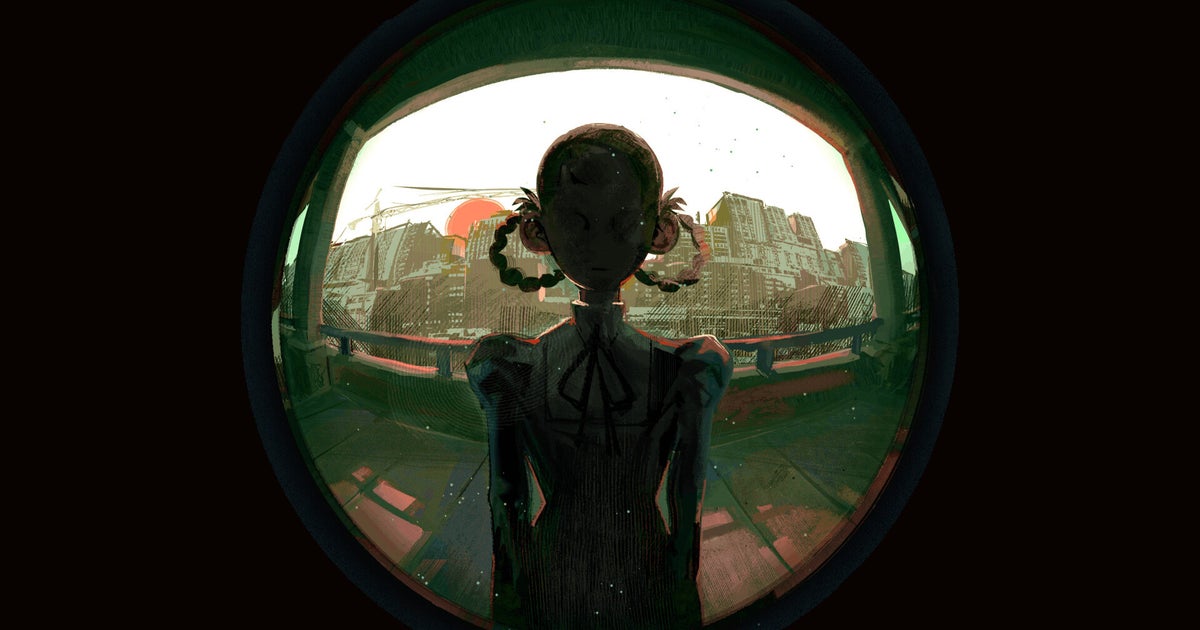
What do you do when the world ends, and the only thing left is a memory? For those seeking a truly unsettling gaming experience, the answer might be a sleepless night in a decaying post-apocalyptic setting. The Sleepover cosmic horror visual novel promises a journey into profound psychological dread, forcing players to confront not just the dead world outside, but the trauma within themselves.
Why this matters: This title is carving out a niche for deeply emotional, narrative-driven horror, suggesting that the next wave of survival games will prioritize internal decay over mere combat.
The game drops players into a fractured timeline, centered on the concept of the 'last Sleepover on Earth.' It’s a premise that sounds deceptively simple, yet the narrative quickly spirals into cosmic dread, making the question of survival far more unsettling than any zombie outbreak.
The Premise: A Last Night on Earth
The narrative foundation of the Sleepover cosmic horror visual novel is built on a devastating hook: a post-apocalyptic future where the characters are celebrating what they believe is the final night of humanity. The story introduces Yuna, a protagonist who initially navigates the empty streets assuming she is the sole survivor. This initial sense of isolation quickly becomes the core tension of the piece.
The setting is crucial. It’s not just a backdrop; it's a character itself—a decaying monument to a civilization that simply vanished. From the start, the game establishes a tone that is less about action and more about atmospheric, suffocating dread. The mystery surrounding the apocalypse is never fully answered, forcing the player to grapple with the ambiguity of reality itself.
The initial mystery surrounding Yuna’s solitude is what draws players into the deepest corners of the story, making the journey into her psyche as vital as the exploration of the ruins.
Yuna’s Struggle and Cosmic Dread
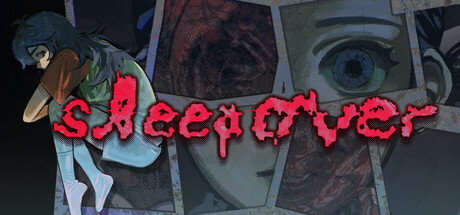
As the story progresses, the focus shifts entirely inward. The core conflict isn't battling mutated creatures; it's Yuna's deeply personal battle with regret, memory, and the fragility of the human mind. The game doesn't offer easy answers, instead presenting a complex tapestry of family history and psychological unraveling.
This emotional depth is amplified by the introduction of Fermi, a mysterious girl who arrives with a deceptively "soft smile." Fermi acts as a catalyst, challenging Yuna’s constructed reality and forcing her to question the narratives she has built around her supposed solitude. The emotional weight of the title is palpable, particularly when considering the themes of loss and the weight of existence in a world without meaning. This is where the post-apocalyptic cosmic horror game elements truly shine, suggesting that the true enemy isn't the void, but the mind’s inability to cope with it.
The thematic focus on Yuna struggles empty world meaning elevates the narrative far beyond typical survival horror. It transforms the game into a meditation on human connection, even when that connection feels impossibly distant.
Mature Themes and Availability

Potential players need to understand that this is not a lighthearted horror experience. The Sleepover cosmic horror visual novel is explicit about its mature themes. The Steam page features clear warnings regarding depictions of depression, anxiety, and suicide, alongside visceral body horror visuals. This signals to the audience that the game is designed to be emotionally taxing and thematically challenging.
While the depth of the content is a major draw, the current availability status requires clarity. As of now, the game is only available to be wishlisted on Steam, and a definitive release date has not yet been set. This means that while the hype is building around the premise, players should treat the timeline with caution.
The blend of cosmic horror—the unsettling feeling that humanity is insignificant against vast, unknowable forces—with intimate character drama is what makes this title unique. It suggests a game where the existential dread is the primary mechanic.
Expert Forecast
Given the intense focus on psychological trauma, the developers are likely positioning this title to appeal to the niche market of literary horror and character-driven narratives, rather than the mainstream action survival crowd. We can anticipate that future updates will focus heavily on expanding the lore surrounding the 'empty world,' perhaps introducing playable segments that explore the history of the apocalypse itself. Furthermore, the narrative structure suggests that the game may incorporate multiple endings, each revealing a different facet of Yuna's fragmented memories and the true nature of their 'last Sleepover.'
Frequently Asked Questions
Is the Sleepover VN game fully released on Steam?
No, the game is currently only available for players to add to their Steam Wishlist. A definitive release date has not been announced, so players should monitor the official Steam page for updates.
What kind of content warnings should players expect?
The game explicitly warns players about mature themes, including depictions of depression, anxiety, and suicide, alongside body horror visuals. It is a deeply intense and unsettling experience.
Does the cosmic horror element involve jump scares?
The horror is described as more psychological and existential than jump-scare oriented. The dread comes from the mystery of the empty world and the characters' declining mental states, rather than sudden scares.
Confirmed details first, useful context second. This is the quickest path to the source trail and the next pages worth opening.
Source date: May 16, 2026