Samsung’s 2026 AI TV Lineup Hits 165Hz: Is This the Death of Gaming Monitors?
Your living room is about to get a brain, and it’s smarter than your current console. Samsung just blew the doors off the 2026 lineup, and it isn’t just about prettier pixels anymore. We are looking at a future where your TV doesn't just show the game—it understands how you play it.
What this means for players: The line between a high-end gaming PC monitor and a living room television has officially evaporated, potentially saving you thousands on a multi-screen setup. With the introduction of contextual intelligence and a refresh rate that rivals competitive displays, the 2026 range is a direct shot across the bow of the dedicated monitor market.
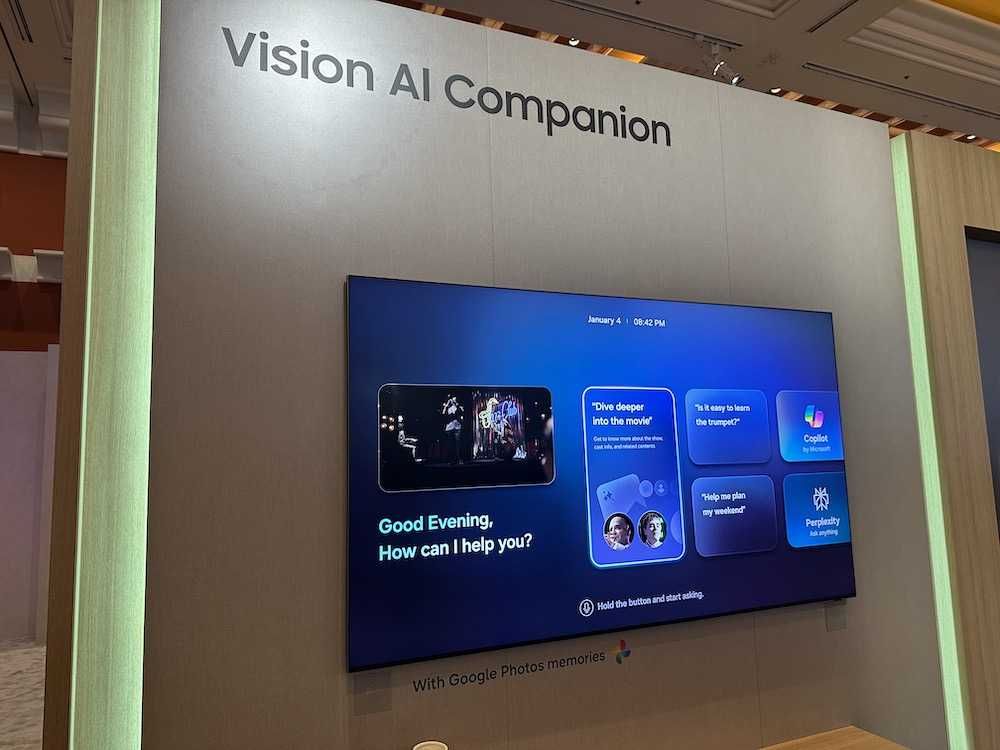
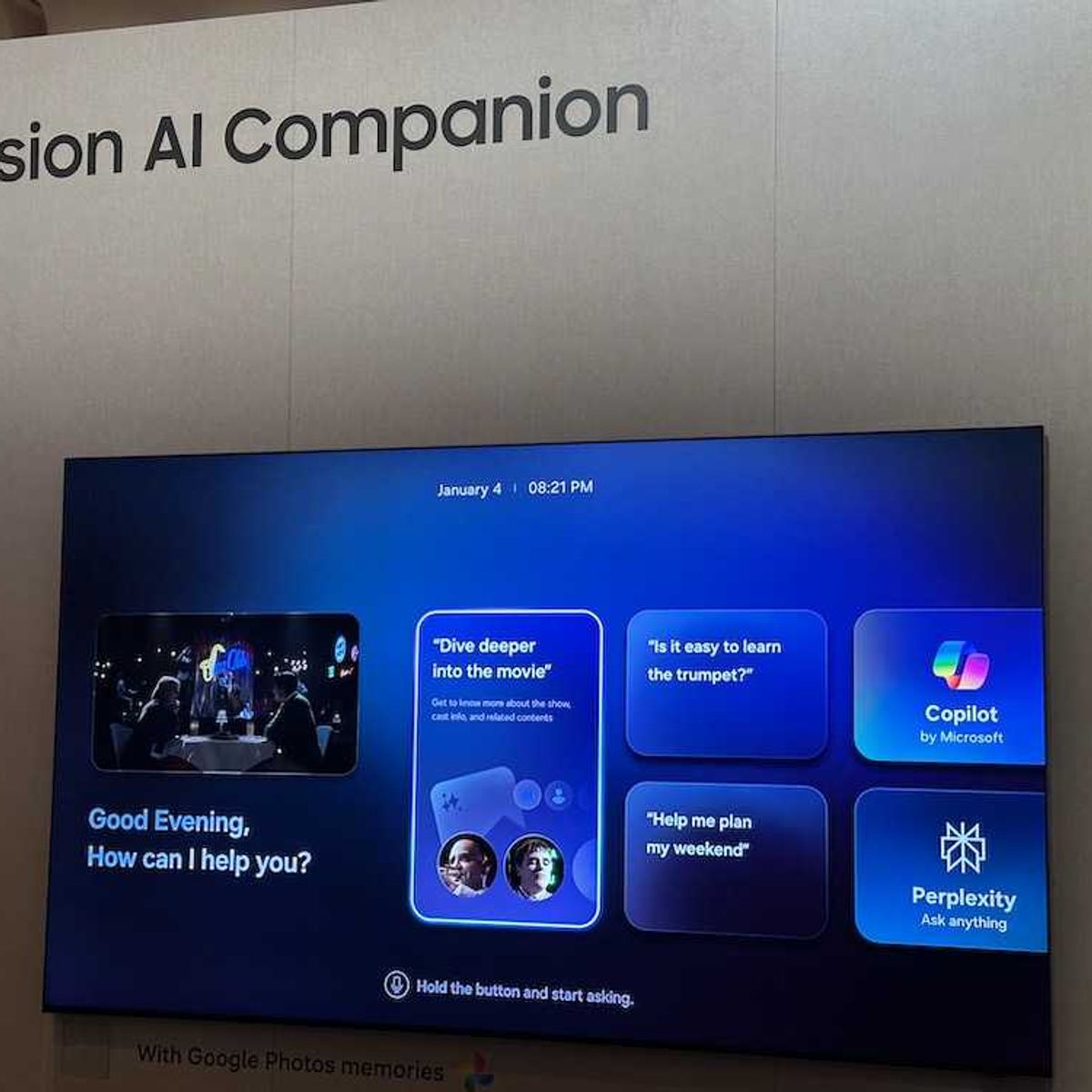
Samsung Vision AI Companion Changes Interaction

The days of screaming at your remote to find a movie are over. Samsung is shifting TV interaction into a new era with the debut of the Vision AI Companion (VAC). This isn't just a voice-to-text search tool; it’s a sophisticated hub integrating Microsoft Copilot and Perplexity alongside an upgraded Bixby. This enables natural, contextual dialogue that actually makes sense in a shared household environment.
Specifically tailored for Australian users, the VAC handles complex, communal requests. Instead of searching for "action movies," you can ask for "something the kids will like that isn't too loud for late at night," and the system understands the nuance. To sweeten the deal for those worried about planned obsolescence, Samsung is committing to seven years of One UI Tizen upgrades. This ensures your 2026 investment remains snappy and secure well into the 2030s.
Micro RGB R95H Defines Flagship Luxury
If you have the budget for the absolute peak of display technology, the Micro RGB (R95H) is the new king of the hill. Measuring a razor-thin 12.9mm, this panel is essentially a window into another world. It utilizes 'Wireless One Connect' compatibility, meaning you can finally ditch the cable nest behind your media console without sacrificing signal integrity.
The R95H isn't just about being thin; it's about the pure light control that only Micro RGB can provide. Every pixel is its own light source, providing contrast that makes traditional LEDs look washed out. While the price point remains in the "enthusiast" tier, the engineering here sets the stage for what every TV will look like in five years. It’s a hardware flex that proves Samsung is still leading the charge in panel innovation.
OLED S95H Delivers 165Hz Gaming Prowess
This is where things get spicy for the PC Gamer and IGN crowd. The OLED flagships—the S95H and S90H—are packing what Samsung calls the 'Ultimate Gaming Pack.' We are talking about a native 165Hz refresh rate on a massive OLED panel. For context, most "high-end" TVs still cap out at 120Hz. Pushing to 165Hz puts these sets in direct competition with premium gaming monitors, but with the added benefit of infinite contrast and HDR that actually pops.
Under the hood, the NQ4 AI Gen3 Processor is doing the heavy lifting, utilizing 128 AI neural networks to optimize every frame in real-time. Whether you are on Team Red or Team Green, you’re covered: these sets support both AMD FreeSync Premium Pro and NVIDIA G-SYNC. Combined with expanded Glare-Free technology, you can finally play horror games in a sunlit room without seeing your own reflection staring back at you during every dark scene.
Frame Pro LS03HW Merges Art With Tech
The lifestyle segment isn't being ignored either. The new Frame Pro (LS03HW) finally brings Neo QLED technology to the "art TV" category. Previously, choosing the Frame meant sacrificing some of the raw performance found in the QLED line, but that compromise is gone. You get the signature flush-to-wall design and matte finish, now backed by the brightness and color volume of Neo QLED.
For those looking for value without dropping flagship money, the Neo QLED QN80H and M70H Mini LED series are the workhorses of the 2026 lineup. These mid-range options still offer 144Hz performance and 'Pure Spectrum Colour.' They are perfect for the PS5 Pro or next-gen Xbox era, providing 4K upscaling that makes even older titles look like modern remasters.
Check out the future of AI-driven displays in action:
Music Studio Series Expands Home Ecosystem
A great picture is worthless if it sounds like it's coming through a tin can. Samsung is addressing this with the Music Studio Series, a new line of design-led Wi-Fi speakers. These aren't just standalone units; they are designed to integrate seamlessly with the TV’s dedicated AI Sound Controller. The AI analyzes the room's acoustics and the content on screen to distribute audio perfectly across the speakers.
Early adopters in Australia can already start planning their upgrades. Samsung is offering a 5% discount for those who use the code 'AI-AV26' before the April 25th deadline. It’s a rare move to see discounts this early in a product cycle, suggesting Samsung is aggressive about capturing the AI-integrated home market before competitors can react.
Samsung’s shift toward "Contextual Intelligence" suggests a future where the TV acts as a proactive butler rather than a passive screen. The hardware ceiling for gaming on a TV has been shattered by the 165Hz S95H, making 1440p monitors look increasingly obsolete for couch play. Expect the next two years to be defined by a software arms race as competitors scramble to match the seven-year support window Samsung has now established.
Frequently Asked Questions
When do the 2026 Samsung AI TVs release in Australia?
While specific shipping dates vary by model, the promotional discount code 'AI-AV26' is valid until April 25th, indicating a launch window around that time.
Does the S95H support both NVIDIA and AMD GPUs?
Yes, the OLED S95H flagship supports both NVIDIA G-SYNC and AMD FreeSync Premium Pro for tear-free gaming at 165Hz.
What is the benefit of the Vision AI Companion (VAC)?
The VAC uses LLMs like Microsoft Copilot to provide natural, contextual answers to complex requests rather than simple keyword searches.
Confirmed details first, useful context second. This is the quickest path to the source trail and the next pages worth opening.
Source date: April 23, 2026