Imagine your favorite blocky world suddenly looks like a high-end tech demo. Roblox is pushing toward photorealism, but top creators are warning that this shift might break the very thing that makes the platform work. The tension between the classic Lego-like aesthetic and the new Roblox Reality photorealistic games initiative is creating a rift in the community.
What this means for players: Your favorite simple games might get a forced makeover that makes them harder to play and significantly tougher on your mobile hardware. While the tech is impressive, it challenges the Roblox core gameplay identity that millions of users have grown to love over the last decade.
Alec Kieft Defends Traditional Roblox Aesthetics
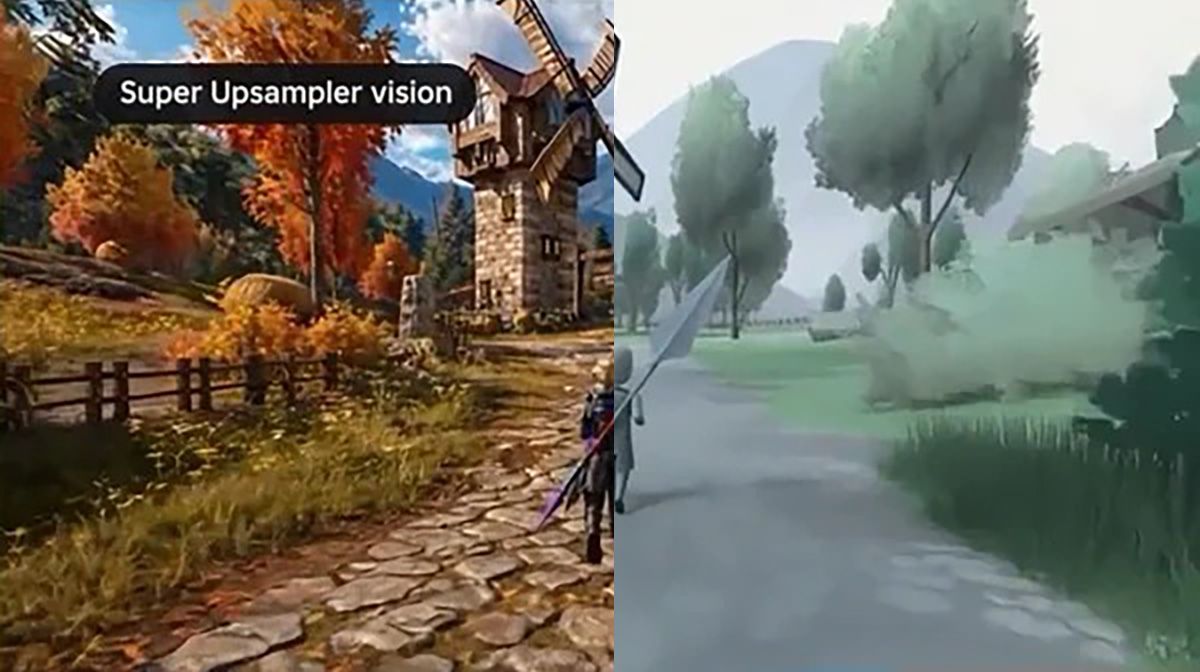
The debate reached a boiling point when Alec Kieft, a prominent co-creator on the platform, spoke out against the aggressive push for high-fidelity visuals. Kieft is responsible for titles like Grow a Garden and 99 Nights in the Forest, games that thrive on simplicity. He argues that the lo-fi look Roblox feature is not a limitation of the engine but a deliberate design choice that benefits the player experience.
According to Kieft, the blocky, high-contrast style allows players to parse map details and actions instantly. In a fast-paced environment, knowing exactly where a platform ends or where an item sits is crucial. When you introduce ultra-realistic textures and complex lighting, that clarity often vanishes. The Roblox gameplay design appeal has always been rooted in its readability, which is why many developers are hesitant to embrace the new tools.
Technical Barriers For Mobile Gaming Audiences
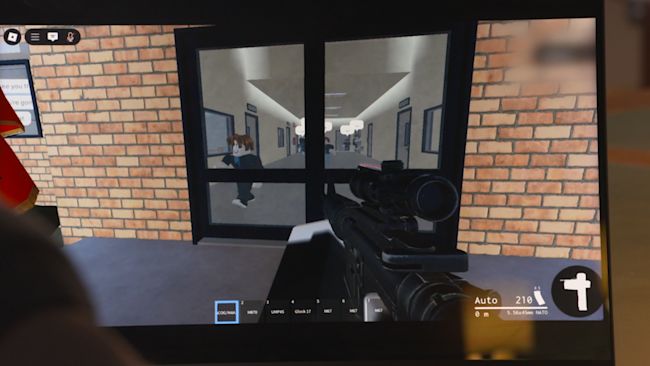
Beyond the artistic debate lies a massive technical hurdle. A huge portion of the Roblox player base accesses the platform via lower-end mobile devices and aging hardware. Introducing high-fidelity gaming genre shift requirements could alienate millions. While the platform is looking at technologies like Nvidia DLSS AI realistic games to bridge the gap, AI upscaling can only do so much on a five-year-old smartphone.
Kieft points out that overly complicated textures often strain these devices, leading to frame rate drops and crashes. For a platform built on accessibility, the push for photorealism feels like a pivot toward a niche audience. Even if it is technically possible to upscale a game like 99 Nights in the Forest, Kieft believes the soul of the game would be lost in the transition. The charm of the "block" is what makes Roblox distinct from the sea of generic hyper-realistic titles on other platforms.
Genre Shifts Impacting Future Game Development

The push for realism isn't just about looks; it is about the types of games Roblox wants to host. Kieft observes that the current trajectory seems designed to favor high-fidelity genres, such as professional driving simulators and cinematic experiences. This shift risks leaving behind the quirky, experimental, and "weird" games that defined the early years of the platform. The Roblox Reality photorealistic games push seems to be an attempt to compete with the likes of Unreal Engine, but at a potential cost to its own developer culture.
Kieft explicitly stated his lack of interest in developing a high-fidelity driving game, emphasizing that the current style is what draws people in. If every game starts looking like a triple-A blockbuster, the unique identity of the platform begins to erode. Many developers feel that if they wanted to make photorealistic games, they would have moved to Unity or Unreal long ago. They stay on Roblox because of the specific constraints and the creative freedom those constraints provide.
Future Trajectory Of The Roblox Engine
Despite the pushback, the engine updates are moving forward. We are seeing more integration of advanced lighting, PBR (Physically Based Rendering) materials, and sophisticated physics. The challenge for the company will be balancing these features without forcing them onto creators who prefer the classic look. If the platform can maintain a "big tent" approach where both photorealism and lo-fi aesthetics coexist, it may avoid a full-scale developer revolt.
However, the marketing focus remains heavily on the high-end. This creates a psychological pressure on new developers to prioritize graphics over gameplay mechanics to get featured on the front page. If the algorithm starts favoring the Roblox Reality photorealistic games over traditional blocky experiences, we could see a fundamental change in what defines a "Roblox game" by 2025. For now, veterans like Kieft are holding the line, proving that style and substance often beat raw pixel counts.
The platform will likely see a split in its ecosystem, with "Pro" experiences targeting high-end PCs and "Classic" experiences maintaining the mobile-friendly blocky look. Expect Roblox to introduce more aggressive AI-driven optimization tools to ensure that even photorealistic games can run on modest hardware. The success of this transition depends entirely on whether players actually want their virtual playgrounds to look like the real world.
Frequently Asked Questions
When are the new Roblox photorealistic updates releasing?
TAn early version of Roblox's new AI-powered photorealistic technology, called Roblox Reality, is expected to be released "later this year 2026 or early next 2027"
Will photorealistic games run on my old phone?
Performance will vary, but high-fidelity games will likely require newer hardware or the use of AI-upscaling features. Developers are being encouraged to optimize their games, but the lo-fi aesthetic remains the most compatible option for older devices.
Can I still make blocky games on Roblox?
Yes, the classic blocky look is still the default and remains a core part of the platform's developer tools. Creators like Alec Kieft continue to advocate for the lo-fi style, and there are currently no plans to remove traditional building assets.
Confirmed details first, useful context second. This is the quickest path to the source trail and the next pages worth opening.
Source date: May 11, 2026