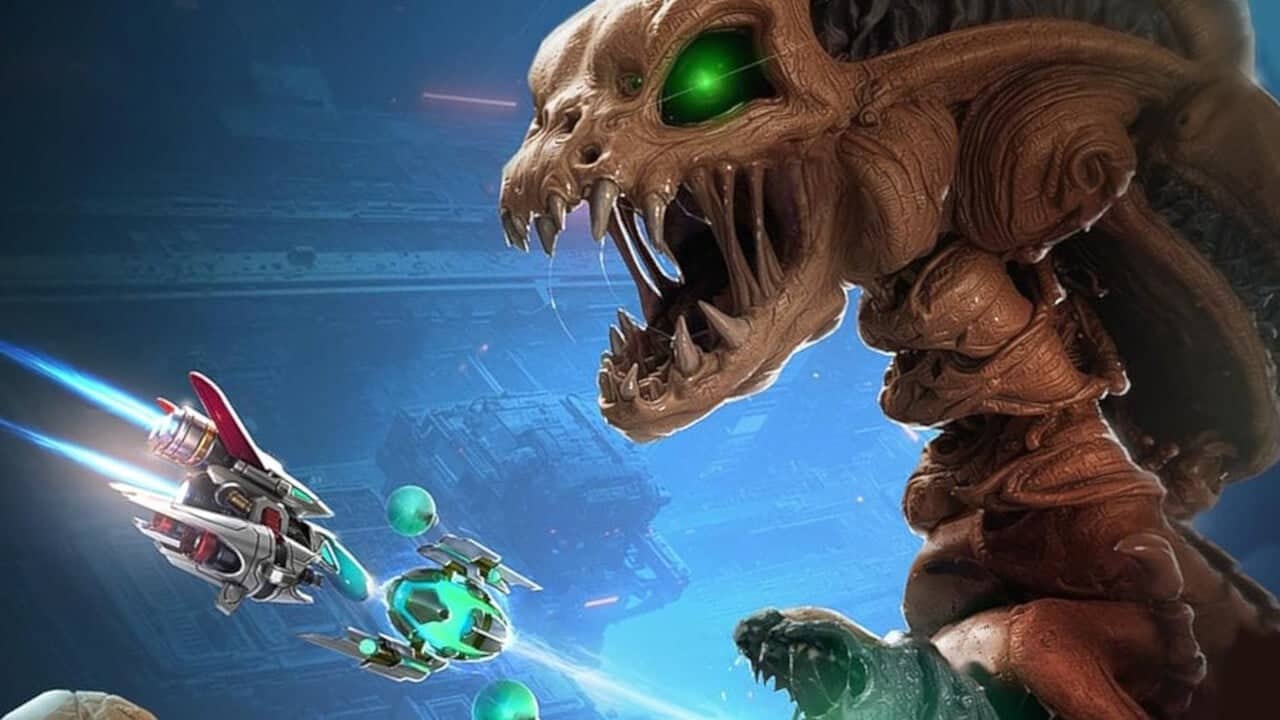
Is a beloved classic worth the controversy? Fans of the SNES legend, *R-Type III*, are currently divided over the new Nintendo Switch port. The promise of modern enhancements clashes head-on with reports of compromised accuracy, leaving dedicated players questioning the depth of the new gameplay.
What this means for players: While the technical polish and new features are impressive, the perceived sacrifice of authentic gameplay mechanics due to development choices is the biggest talking point surrounding the R-Type III gameplay shifts.
- The Switch port introduces two new Force Pods: Shadow Force and Cyclone Force.
- The experience includes a novel local two-player co-op mode using original SNES graphics.
- Critical feedback centers on visual inaccuracies and overly difficult, altered collision detection.
The return of *R-Type III* to the modern gaming landscape was highly anticipated. As a remaster of the 1993 Super Nintendo masterpiece, *R-Type Dimensions III* aims to bridge the gap between pure retro nostalgia and contemporary gaming polish. It is available on the Nintendo Switch in both handheld and docked modes, offering a visual upgrade to a genre-defining shoot 'em up.
Modernizing R-Type III’s Core Experience

The developer has clearly put effort into expanding the core gameplay loop. The most immediate addition is the introduction of two powerful new Force Pods: Shadow Force and Cyclone Force. These additions give players fresh ways to approach challenging encounters, expanding the strategic depth far beyond the original title's mechanics.
Beyond the Force Pods, the port emphasizes multiplayer accessibility. The local two-player co-op mode stands out as a novel feature, particularly because the developers have rendered this mode using original SNES graphics. This choice is a smart move, maintaining the authentic, pixel-perfect feel of the classic while giving modern players a chance to relive the cooperative chaos of the original console.
The game also features an "Infinite Mode," a significant quality-of-life update for dedicated fans. This mode eliminates the frustration of checkpoints and provides unlimited lives, allowing players to retrieve their Force Pod even if they fail. This helps make the initially steep learning curve more manageable.
Overhauled Audio and Enhanced Gameplay
The presentation isn't limited to graphics and mechanics. The audio experience has undergone a complete overhaul. While the goal was clearly to modernize the soundscape, the developers managed to re-record the entire soundtrack using live instrumentation. Crucially, they maintained fidelity to Ikuko Mimori’s original, iconic scores, giving the game a rich, layered auditory experience.
The sheer scope of the updates suggests a deep commitment to making this title feel like a true modern entry, rather than just a cosmetic re-skin. The combination of the new Force Pods and the Infinite Mode significantly alters the challenge curve, giving players a fresh reason to explore the depths of the game.
However, this modernization doesn't come without significant friction points. When analyzing the port's mechanics, it becomes clear that the developer was not afraid to radically alter the core feel of the original SNES title. This is where the discussions about R-Type III gameplay shifts explained get heated.
Accuracy Concerns Plague Visual Modes

The most immediate and divisive criticism targets the visual modes. The 3D visual mode, in particular, has drawn sharp ire from the most dedicated fans. Critics have cited several discrepancies that feel less like enhancements and more like outright compromises.
These inaccuracies include reports of weaker shots, disproportionately stronger enemies, and most notably, problematic collision detection. Players have noted that hitboxes often feel overly large, changing the fundamental skill requirements of dodging and shooting. Even the 2D side of the port hasn't escaped scrutiny, with enemy hitboxes and collision mechanics being described as "out of whack" compared to the original SNES cartridge.
The overall consensus among veteran players is that the developer's implementation has compromised accuracy. This has resulted in an increased—and arguably unfair—difficulty level that feels alien to the original, legendary challenge of *R-Type III*. It forces players to adapt to a system that sometimes feels less precise than the original.
What Does the New Difficulty Mean?
The question facing every potential player is: are these R-Type III gameplay shifts improvements or simply frustrating roadblocks? If the core mechanics are fundamentally altered, even the most polished remaster can fail to capture the magic of the original. The concern isn't just that the game is harder; it's that the *reason* it's harder feels arbitrary, stemming from inaccurate hitboxes and unbalanced enemy behavior.
For those looking for the most authentic experience, the focus should remain on the core 2D gameplay, while acknowledging the compromises in the visual modes. The discussion around finding the best Force Pod for R-Type III often pivots on which Force Pod minimizes the impact of these mechanical shifts, allowing players to focus on pure shooting skill rather than fighting the game's own hitboxes.
Ultimately, while the platform and the new features are fantastic, the experience feels like a trade-off. The developer prioritized modernization and scope over strict fidelity, which is a gamble that may frustrate hardcore retro enthusiasts, even if it appeals to a broader, casual audience.
The current reception suggests that while the R-Type III Nintendo Switch remaster is a technical achievement, its identity is split between a glorious celebration of the past and a questionable experiment in the future. Fans will need to decide if the polish and new content outweigh the mechanical inaccuracies.
Experts suggest that future patches will need to address the core collision detection issues to restore the game's legendary feel. The market will likely demand a "Classic Mode" option that guarantees 1:1 mechanical parity with the original SNES cartridge. Finally, the developer may need to focus future updates on refining the 3D visual mode to make the added difficulty feel earned, rather than arbitrary.
Frequently Asked Questions
Is R-Type III co-op mode available on the Switch?
Yes, the port includes a local two-player co-op mode. This mode is notably rendered using original SNES graphics, providing an authentic feel for cooperative play.
Does the new Infinite Mode change gameplay?
The Infinite Mode eliminates checkpoints and provides unlimited lives, allowing players to retrieve the Force Pod even after death. This significantly lowers the barrier to entry for new players.
Are the gameplay shifts permanent for R-Type III?
The Force Pods and Infinite Mode are permanent additions to the current release. However, the controversy suggests that mechanical shifts may be addressed or balanced in future updates.
Confirmed details first, useful context second. This is the quickest path to the source trail and the next pages worth opening.
Source date: May 21, 2026