The Switch 2 Power Myth: Pragmata’s Performance Just Settled the Hardware Debate
We’ve been waiting years to see if Nintendo’s next console would finally close the gap with Sony and Microsoft. Capcom’s Pragmata just arrived to deliver the verdict, and the results are far more complicated than a simple "yes" or "no." This presentation isn't just about one game; it’s a litmus test for the future of handheld gaming.
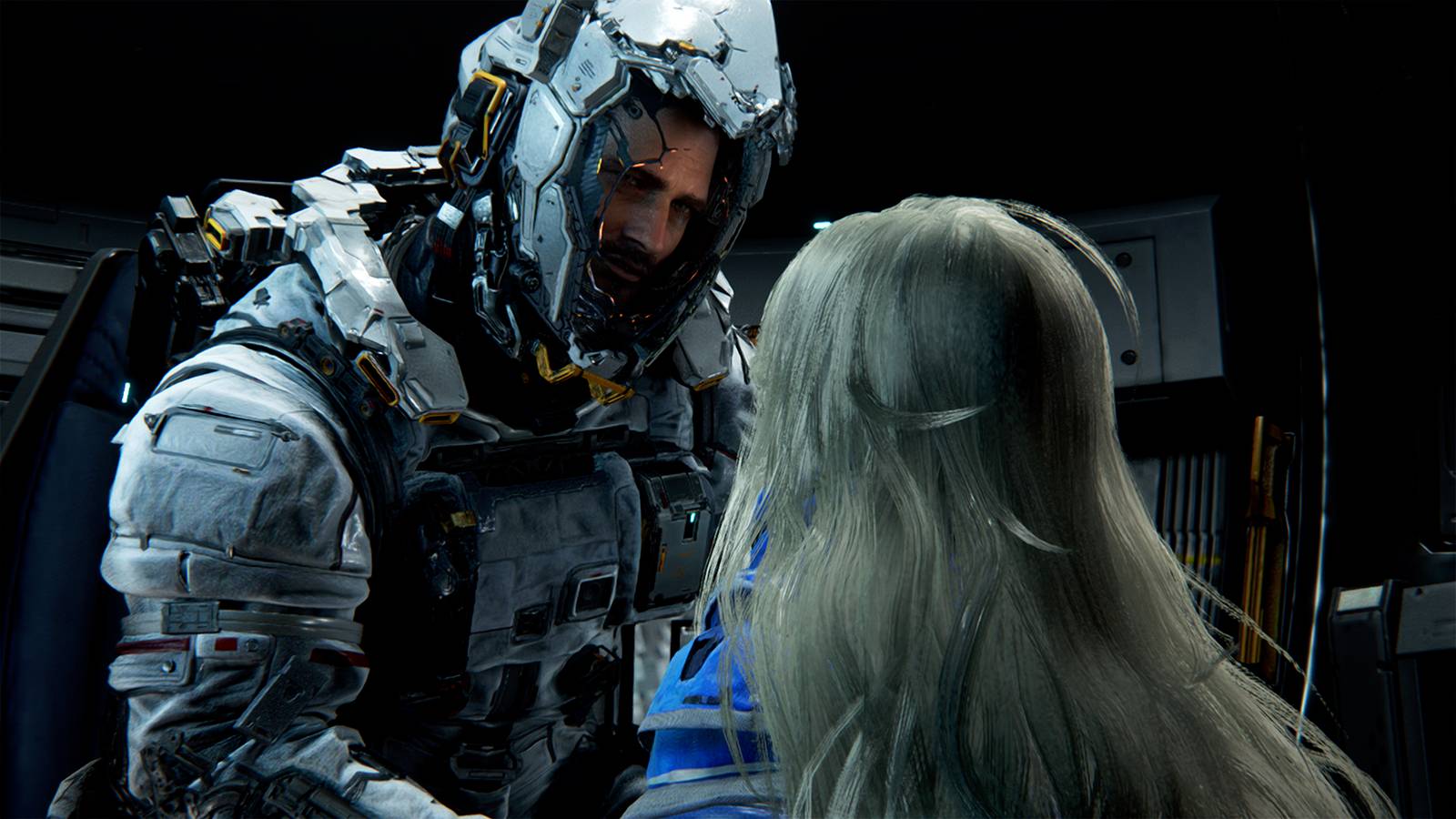
What this means for players: The Switch 2 might not be the 4K powerhouse fans dreamed of, but it is finally capable of running modern AAA blockbusters without the "impossible port" compromises of the past. For the first time, Nintendo players are looking at the same high-budget assets and complex lighting systems found on high-end hardware, even if there are some visible cracks in the armor.

Pragmata Delivers Modern Visual Standards
When Pragmata is running in TV mode, the results are nothing short of startling. For a platform often criticized for being a generation behind, the Switch 2 handles this multiplatform heavyweight with a level of grace we haven't seen from Nintendo before. The presentation is beautifully clean, showcasing the kind of high-fidelity textures and particle effects that define the current era of gaming.
The most impressive feat is the stability. Maintaining a smooth 60 FPS in docked mode is a massive win for Capcom and Nintendo. It signals that the Switch 2 isn't just a slight iteration; it’s a machine built to handle the demands of modern engines without breaking a sweat. In the heat of the action, the game feels responsive and sharp, looking every bit like the big-budget spectacle promised in its early trailers.
Handheld Mode Reveals Switch 2 Limits
However, the transition from the big screen to the palm of your hand isn't seamless. While the docked experience is a triumph, the handheld mode brings us back to reality. There is a noticeable drop to 30 FPS when the console is undocked, and the visual clarity takes a significant hit. The presentation shifts from "crystal clear" to "slightly muddy," a reminder that portable power still has its ceiling.
Nowhere is this more evident than in the character models. Diana, the mysterious blond android child who serves as the game’s emotional core, suffers from specific graphical flaws in handheld mode. Her hair, which should look like a natural, flowing element of her design, appears both fizzy and stiff. It’s a jarring technical hiccup that stands out against the otherwise polished world, proving that the Switch 2 still has to make tough choices to keep games running on the go.
RE Engine Masters Nintendo Hardware
The success of Pragmata on this hardware is largely thanks to the incredible adaptability of the RE Engine. Capcom has spent years refining this toolset, and its performance on Nintendo’s new silicon is a masterclass in optimization. This isn't a fluke; we’ve already seen the engine work wonders with Resident Evil Requiem, which set a high bar for what third-party developers could achieve on the platform.
This technical synergy suggests a bright future for third-party support. If the RE Engine can deliver a game as visually demanding as Pragmata with minimal losses, other developers will likely follow suit. The Switch 2 is proving to be a friendly environment for modern development pipelines, even if it requires a bit of extra work to smooth out the handheld experience.
The Vanishing Generational Tech Leap
Perhaps the most controversial takeaway from the Pragmata presentation is the idea that we’ve reached a point of diminishing returns. The experience has been compared to viewing a film on Blu-ray versus 4K HDR. Both look fantastic, and while one is technically superior, the "quality" of the experience is just as good on both formats. Pragmata gives away next to nothing on Switch 2 compared to its more powerful rivals.
This suggests that the video game medium is moving past the need for massive, earth-shaking technical jumps. Instead of chasing raw pixel counts, the focus is shifting toward artistic intent and consistent performance. If a game looks "modern" and runs "smoothly," the specific hardware under the hood becomes less relevant to the average player. The Switch 2 is operating in that sweet spot where the differences between it and a "pro" console are becoming harder to spot without a magnifying glass.
Capcom will likely prioritize 60 FPS performance modes for all future RE Engine titles on the platform to maintain their reputation for optimization. Nintendo will market the Switch 2 as a "parity" machine rather than a "power" machine to manage expectations around third-party ports. The visual gap between handheld and docked play will become the central talking point for every major third-party release this year.
Frequently Asked Questions
Does Pragmata run at 60 FPS on Switch 2?
The game maintains a smooth 60 FPS while in TV mode, but drops to 30 FPS when played in handheld mode.
Why does the handheld version look "muddy"?
The resolution and frame rate are scaled down to preserve battery life and manage heat, resulting in some visual artifacts like "fizzy" hair on character models.
Is the Switch 2 a significant technical upgrade?
While it handles modern AAA games well, the leap is described as more of an optimization of existing standards rather than a massive generational shift.
Tags :
Confirmed details first, useful context second. This is the quickest path to the source trail and the next pages worth opening.
Source date: April 16, 2026