
Pac-Man’s Digital Return: Details on the G-Mode Archives+ Release
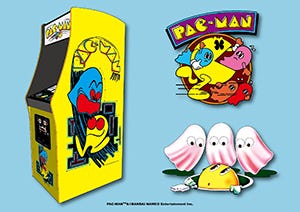
What if the original, yellow-ghost-chasing chaos of the 1980s could appear on your modern handheld? For decades, the simple pellet-eating action of Pac-Man has defined arcade gaming. Now, the rumors are swirling: a full digital revival is on the way, but the details are stranger than you might expect.
What this means for players: the return isn't a simple port of the classic arcade experience, but a fascinating, deep dive into a specific, beloved piece of Pac-Man history that few people remember. The discussion around a potential Pac-Man Nintendo Switch release date is generating massive buzz, making this title feel like a monumental moment for retro fans.
- The game will arrive as part of the G-Mode Archives+ line, signaling a curated retro experience.
- The playable version is based on the Japanese flip phone iteration, not the original 1980 arcade cabinet.
- Bandai Namco Entertainment retains the intellectual property, guiding this unique blend of nostalgia and modern tech.
The anticipation surrounding the Pac-Man Nintendo Switch release date is palpable. For years, fans have speculated on a true, definitive modern version of the classic character. The news that the beloved icon is slated for inclusion in the upcoming G-Mode Archives+ line provides a concrete, albeit complex, path back to the pellet-eating action.
This announcement confirms that the gap between the classic arcade game 1980 and today’s high-definition portable gaming is finally narrowing. The G-Mode Archives+ line promises a curated collection of retro gems, and the inclusion of Pac-Man makes it a must-watch title for anyone hoping for a true revival of the character.
The buzz isn't just about seeing Pac-Man again; it's about *how* he's coming back. The key detail that separates this release from typical retreads is the source material. This isn't simply a digitized copy of the original arcade cabinet.
Pac-Man: A Port of the Past

The developers are adapting a very specific, unique version of the character. According to the context, the title will specifically replicate the version of Pac-Man that was originally available on Japanese flip phones. This detail shifts the focus entirely away from the groundbreaking 1980 arcade cabinet and towards a fascinating, localized piece of gaming history.
This distinction is critical. It means that the developers are paying homage not just to the character, but to a specific era of mobile gaming. Instead of a direct port of the original arcade title, players can expect a deep dive into the Pac-Man Japanese flip phone version. This approach ensures the game feels authentic to its intended source, providing a unique nostalgic touch that pure arcade emulation often misses.
The intellectual property remains firmly rooted with Bandai Namco Entertainment, who hold the rights to the original arcade game. Their involvement ensures that the game maintains a certain level of quality and historical accuracy, even while adapting it for modern hardware.
The G-Mode Archives+ line, therefore, acts as a bridge. It allows Bandai Namco to monetize the immense goodwill of the franchise while simultaneously celebrating the evolution of the IP across different platforms and decades. This is more than just a re-release; it's a curated museum exhibit of gaming history.
G-Mode Archives Pac-Man Gameplay Details

For fans who are already invested in the G-Mode Archives Pac-Man gameplay, understanding the source material is key. The gameplay mechanics will feel familiar—the pellets, the ghosts, the maze—but the visual presentation and the underlying structure will reflect the mobile origin. This is a massive step up from simple emulation, giving the title a fresh, modern polish while respecting its roots.
This emphasis on the specific mobile version means the developers are optimizing for a different type of player experience. The focus is less on arcade high scores and more on the charming, localized memories associated with early 2000s mobile gaming culture. This makes the overall package a compelling example of Nostalgia Meets Modern Tech Pac-Man s Return.
The continued relevance of the franchise proves that even decades-old characters can find new life in the digital age. The careful handling of the source material—the Japanese flip phone version—shows a deep respect for the history of the character, elevating this from a simple cash-grab to a genuinely thoughtful tribute.
The overall market impact of this kind of release is huge. It reassures the gaming community that even the most iconic, long-running IPs are being treated with care and historical context. The continuous cycle of updates, like the one expected for the Pac-Man Nintendo Switch release date, keeps the franchise evergreen and financially viable for the parent company, Bandai Namco Entertainment.
This careful management of the canon is what makes the Pac-Man Bandai Namco Entertainment title such a compelling piece of news for the industry. It sets a high bar for how other retro franchises should be handled, balancing commercial appeal with genuine historical reverence.
Frequently Asked Questions
Will this be a direct port of the 1980 arcade game?
No, the game is specifically adapting the version of Pac-Man that was originally released for Japanese flip phones, not the original 1980 arcade cabinet.
Does the G-Mode Archives+ line include other classic games?
While the article focuses on Pac-Man, the G-Mode Archives+ is a line dedicated to curated retro gaming experiences, suggesting a variety of classic titles.
Is the Pac-Man Nintendo Switch release date confirmed?
While the title is slated for inclusion in the G-Mode Archives+ line, a specific release date has not been provided in the current context.
Experts predict that this successful integration of mobile and arcade history will pave the way for more niche, context-aware retro releases. Future iterations may focus on other regional versions or lesser-known spin-offs of the franchise. Furthermore, the success of this specific adaptation could influence how major IP holders approach the future of their historical gaming archives.
Confirmed details first, useful context second. This is the quickest path to the source trail and the next pages worth opening.
Source date: May 22, 2026