Sparky: The Offline AI Companion Robot Redefines Edge Computing
What if the most powerful AI companion didn't need Wi-Fi? For years, sophisticated robotics and natural language processing have been tethered to the cloud, requiring constant, high-speed internet access. But one new project suggests that era is ending. Meet 'Sparky,' a fully self-contained robotic companion that proves true, high-performance AI can exist entirely off-grid, making the concept of the offline AI companion robot a reality.
This isn't just a cool gadget; it’s a massive statement on localized computing power. What this means for players and developers is a significant shift toward robust, resilient AI deployment that doesn't rely on external networks or costly cloud subscriptions. It signals a future where advanced intelligence is physically portable and truly autonomous.
Jetson Orin NX Powers Sparky’s Core
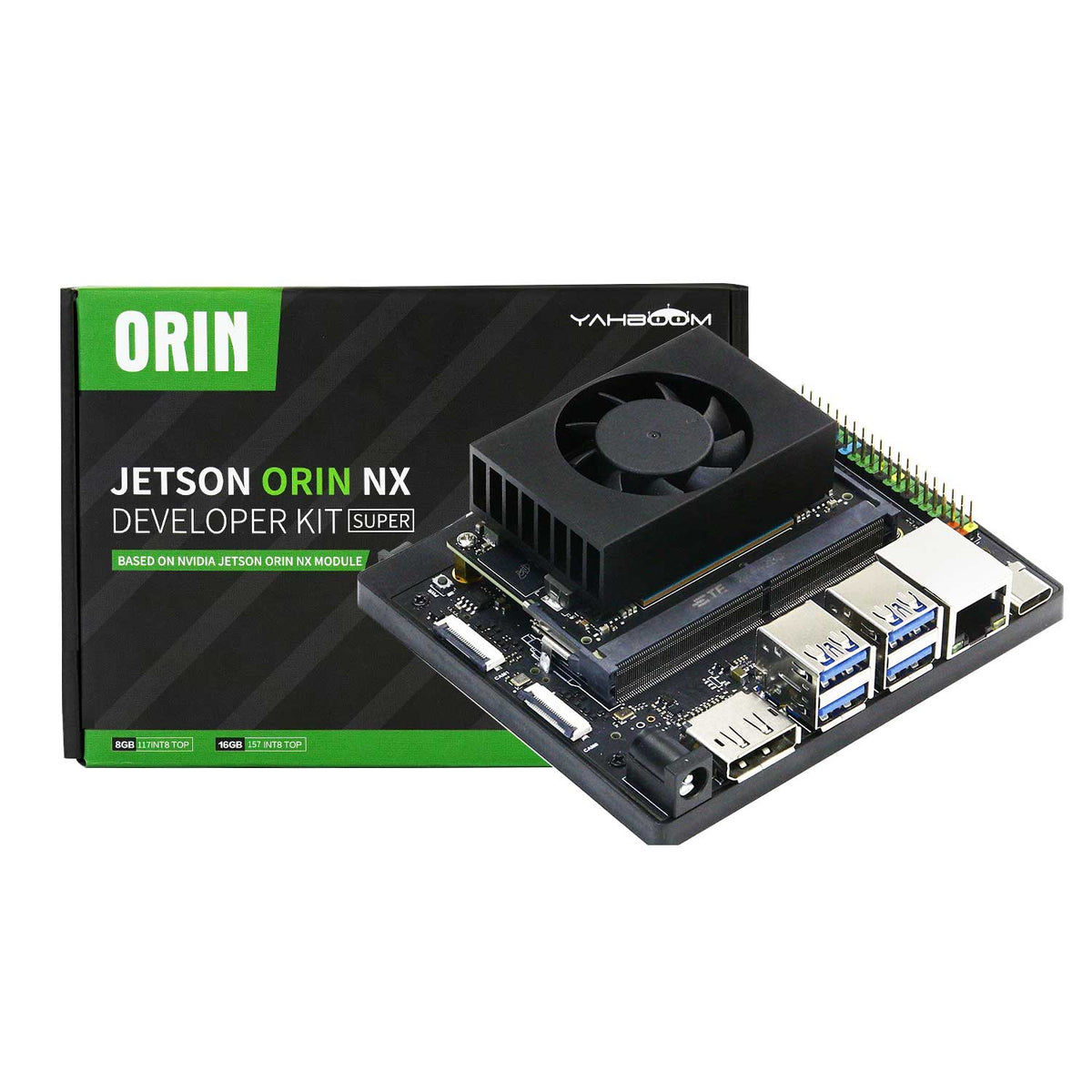
The core intelligence driving Sparky is a powerhouse unit: the Jetson Orin NX SUPER 16GB. This isn't just an incremental upgrade; it’s the foundational hardware that allows the entire system—from vision processing to natural language generation—to run locally, eliminating the need for external connectivity. This component choice is critical, anchoring the entire system in the realm of true edge computing.
Redditor CreativelyBankrupt has unveiled Sparky, a suitcase-sized unit designed to be a fully self-contained companion. The architecture is built around the principle of independence. By relying on the Jetson Orin NX SUPER 16GB, Sparky maintains comprehensive functionality whether it’s in a basement, a remote field, or an airplane without service. This capability is dramatically reshaping how we view portable AI.
Gemma 4 E4B Performance and Context Awareness
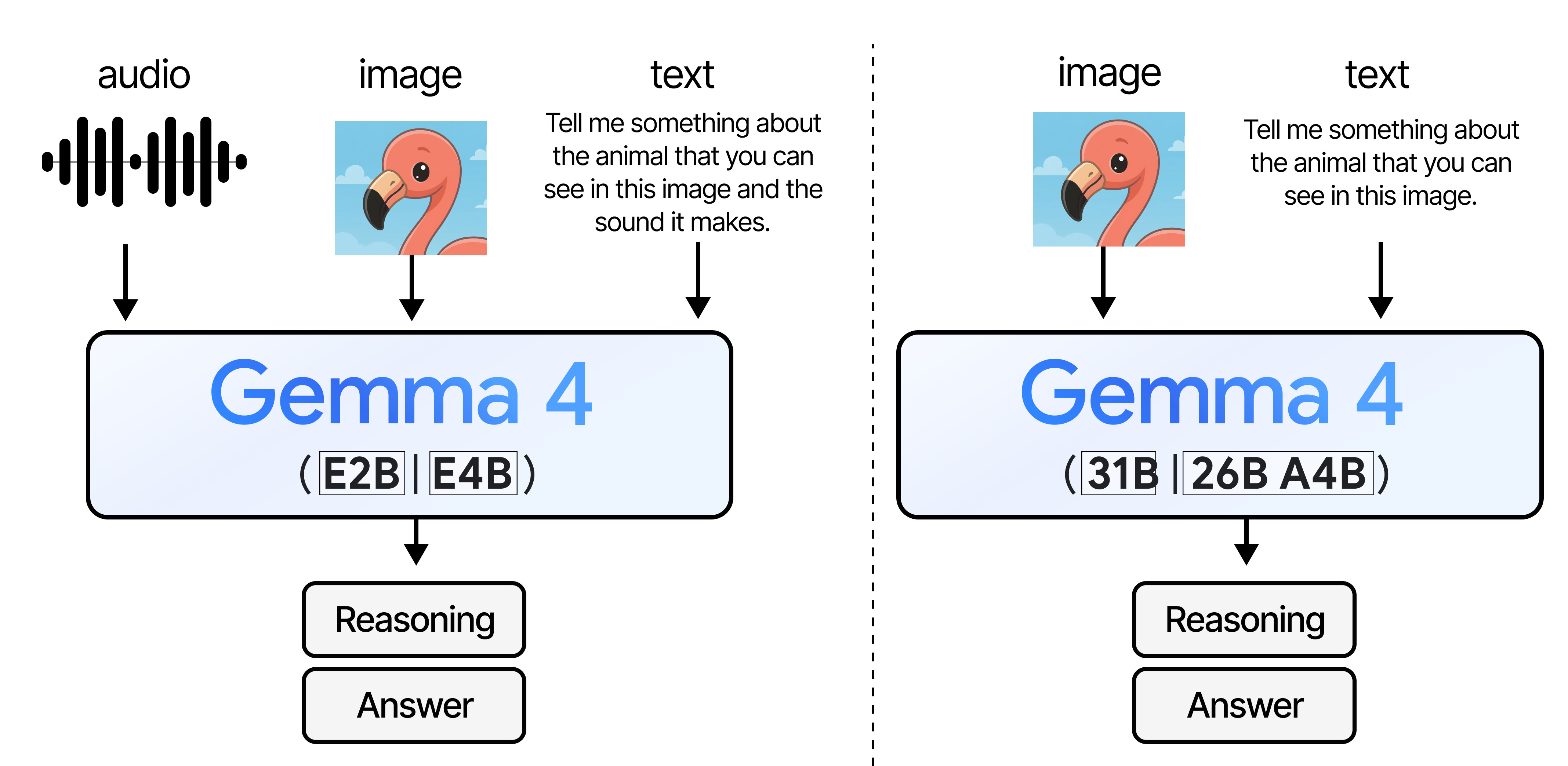
The real magic happens in the software stack. Natural language processing (NLP) is powered by Gemma 4 E4B, an optimized model that natively handles vision and Optical Character Recognition (OCR). This integration means Sparky doesn't just *hear* you; it understands the context of what you are showing it or what is written around it—all without sending data to an external server.
This level of intelligence is paired with advanced sensory input. Sparky operates using 30+ sensors, giving it unparalleled context awareness. This massive input stream allows the system to process environmental data—light, sound, proximity, visual input—and make informed decisions locally. The performance metrics are staggering: the system achieves a rapid Time To First Token (TTFT) of approximately 200 ms, maintaining a consistent output speed of 14-15 tokens per second. This speed makes the interaction feel instantaneous and natural.
The voice interaction loop is equally impressive. SenseVoiceSmall (STT) manages speech input, while Piper handles text-to-speech (TTS). Furthermore, the text-to-speech output is synced visually to a PixiJS face updating at 43 Hz, creating a highly engaging and believable user experience. This level of polish elevates the project from a mere technical demo to a genuinely immersive companion.
Designing the Local LLM Enthusiast Project

Beyond the AI core, the physical interaction elements demonstrate a thoughtful approach to user experience. Sparky includes multiple physical controls—a dedicated button row, a joystick, and an analog encoder knob. These controls aren't just cosmetic; they are designed to allow human operators to interact with the robot's advanced systems in a tangible, intuitive way, reinforcing its role as a robust physical device.
This entire build is a masterclass in what a local LLM enthusiast project can achieve. It represents a significant pivot away from the "cloud-first" paradigm that has dominated consumer electronics. The successful deployment of such high-performance AI in a completely disconnected environment proves that the future of mobile intelligence lies in miniaturization and efficiency. It sets a new benchmark for what is possible in edge computing.
The advancements showcased by Sparky confirm a major industry trend: the move toward self-sufficient, localized AI. Experts predict that smaller, more powerful AI units will become standard in consumer robotics and specialized industrial hardware, dramatically expanding the utility of the offline AI companion robot across multiple sectors.
We anticipate seeing similar, highly optimized local models integrated into other consumer devices, making professional-grade AI processing accessible outside of traditional data centers. Furthermore, the competitive pressure this creates will likely accelerate the development of low-power, high-density computing chips, benefiting everything from personal tech to automotive systems.
Frequently Asked Questions
What makes Sparky 'offline'?
Sparky runs its core AI intelligence entirely on the Jetson Orin NX SUPER 16GB, meaning it processes language, vision, and context data locally without needing a Wi-Fi or cellular connection.
What does 30 sensors context awareness mean?
It means the robot gathers input from a massive array of sensors (visual, auditory, proximity, etc.) to build a comprehensive understanding of its physical environment, allowing it to react intelligently even when disconnected.
Is this technology available for commercial use?
The project details show a focus on enthusiast development, but the underlying components—like the Jetson Orin NX—are designed for professional and industrial deployment, suggesting high commercial potential.
Confirmed details first, useful context second. This is the quickest path to the source trail and the next pages worth opening.
Source date: May 17, 2026