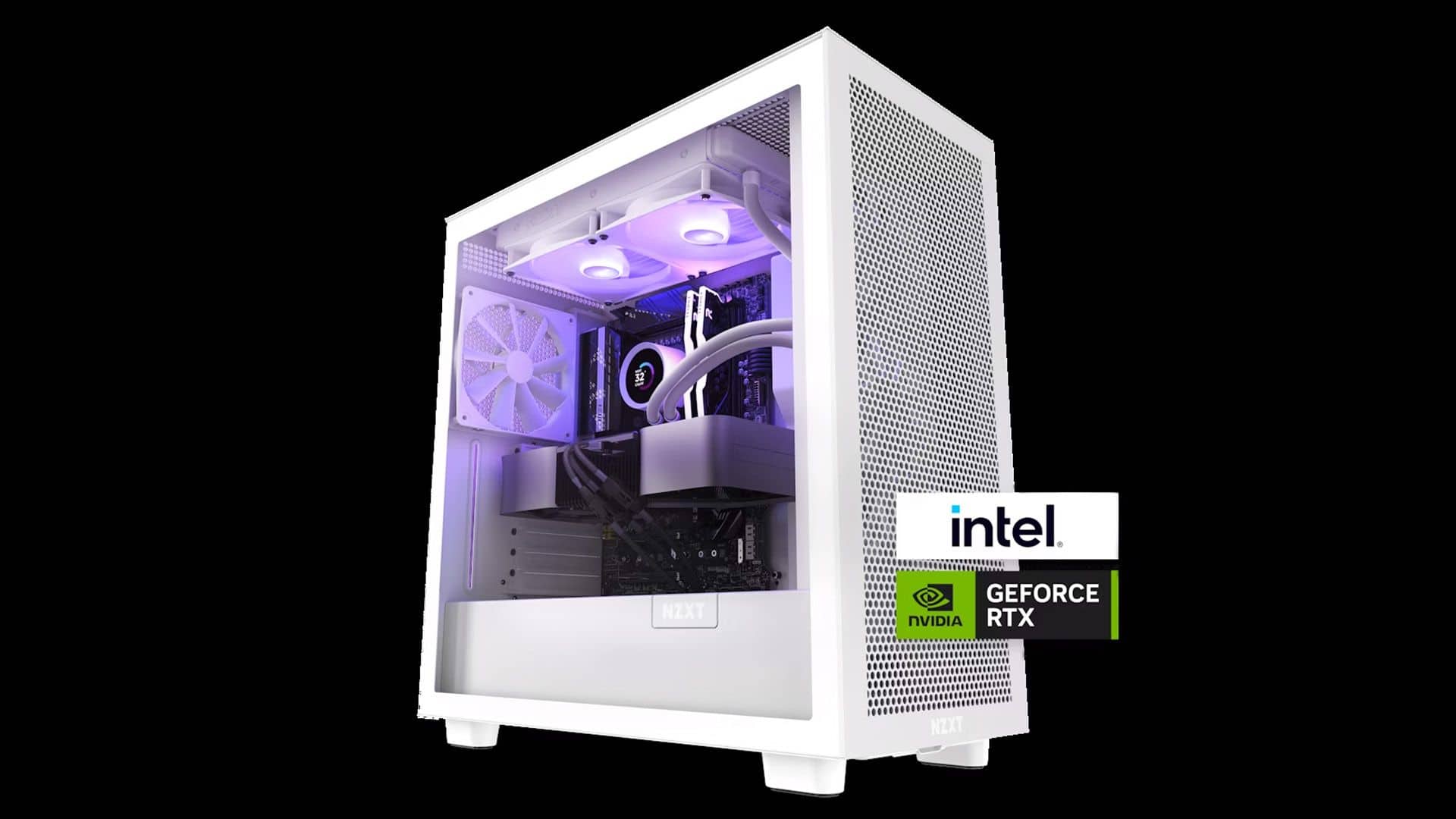
The $3.45 Million Settlement: What Happened with 'Fle'
If you’ve ever looked into renting a high-end gaming rig, you might have heard the name "Fle." Now, the controversy surrounding NZXT’s PC rental program has hit a major legal milestone. After months of mounting pressure, PC component manufacturer NZXT and its billing partner, Fragile Inc., have agreed to a preliminary $3.45 million settlement in a California District Court.
This settlement, made public on April 7, 2026, is the result of a class-action lawsuit alleging that the "Fle" program defrauded nearly 20,000 customers. The core issue wasn't just the cost of renting a PC; it was the alleged use of deceptive marketing, bait-and-switch hardware tactics, and aggressive debt collection practices.
The lawsuit, brought under the powerful civil Racketeer Influenced and Corrupt Organizations (RICO) Act, paints a picture of a business model that, according to plaintiffs, was predatory. The legal filings even labeled the program a "predatory evil scam" designed to trap people who couldn't afford an outright PC purchase.
While the settlement is preliminary, it confirms the severity of the allegations. The payouts and debt forgiveness for eligible renters are expected to roll out only after final judicial approval this September, meaning the fight for consumer relief is far from over.
Deceptive Marketing and Bait-and-Switch Tactics
The heart of the legal complaint centers on how NZXT and Fragile allegedly misled consumers about what they were actually signing up for. The practices described in the lawsuit were not minor oversights; they were systemic issues designed to obscure the true nature of the lease.
One of the most egregious accusations involved the marketing itself. The company was accused of targeting younger audiences with highly misleading promises. Imagine being told you could rent a PC for a month, win a major Fortnite tournament, and then use those winnings to buy the entire rig outright. This promise, according to the plaintiffs, was a massive oversimplification of a complex, indefinite lease.
Furthermore, the marketing heavily implied the program was a "rent-to-own" deal. In reality, the lawsuit alleges it was an indefinite lease with no clear, guaranteed path to ownership for the average user. This fundamental misrepresentation is central to the fraud claim.
But the deception didn't stop at the marketing copy. Once customers actually signed up, the alleged bait-and-switch tactics kicked in. Customers were promised premium, high-end components, but the lawsuit claims that NZXT allegedly swapped out these top-tier parts for significantly worse components while keeping the advertised price the same. This meant paying for a flagship machine while receiving something far below spec.
How the 'Fle' Program Was Allegedly Structured
Understanding the mechanics of the "Fle" program is key to understanding the consumer risk. The system was designed to make high-end gaming hardware feel accessible, but the legal action suggests that accessibility came at the cost of transparency.
The core issues identified by the plaintiffs were:
- Misleading Promises: Marketing campaigns that oversimplified the path to ownership, making it sound like a simple win-winnings scheme.
- Component Swapping: The alleged practice of substituting premium parts with inferior ones without notifying the customer or adjusting the cost.
- Indefinite Leases: Structuring the deal as a long-term lease with unclear exit strategies or ownership paths.
The use of the RICO Act—a law typically used against organized crime—highlights how serious the plaintiffs believe these business practices were. It suggests the company's actions were viewed not as simple poor business decisions, but as a coordinated, fraudulent scheme.
What This Settlement Means for Consumers
For the nearly 20,000 customers involved, this settlement represents a potential lifeline. While the $3.45 million is a preliminary figure, it signals that the legal system has recognized significant wrongdoing.
The most important takeaway for affected renters is the potential for relief. The settlement structure includes provisions for:
- Debt Forgiveness: The possibility of having accrued rental debt reduced or eliminated.
- Financial Payouts: Eligible renters could receive up to $5,000 in relief.
- Ownership Rights: In some cases, the settlement may grant eligible renters a path toward actual ownership of the hardware they were using.
However, it is crucial to remember the timeline. The settlement was made public on April 7, 2026. The actual distribution of funds and final approval of debt forgiveness are expected to roll out much later, after final judicial approval this September. Consumers must follow the official legal channels for updates.
Protecting Yourself When Renting Tech
This entire saga serves as a massive warning shot to the entire PC component and rental industry. If you are considering leasing high-end hardware, the lessons from the NZXT case are clear and actionable.
Never rely solely on marketing hype. Before signing any agreement, you must demand absolute clarity on three points:
- The Exit Strategy: How do I own this? What are the exact steps, costs, and timelines to transition from renter to owner?
- The Component Guarantee: Is the hardware I receive guaranteed to match the advertised specifications? What is the process if a premium part is swapped for a lesser one?
- The Total Cost: What is the absolute maximum cost, including all fees, interest, and potential early termination penalties?
The industry needs to raise its standards. Consumers deserve transparency, especially when dealing with complex, high-value electronics. This settlement is a victory for consumer protection, but it also serves as a reminder that due diligence is always the ultimate defense.
Is the $3.45 million settlement final?
No, this is a preliminary settlement. The final payouts and debt forgiveness are expected to roll out only after final judicial approval this September.
What specific practices were alleged in the lawsuit?
The lawsuit alleged deceptive marketing, bait-and-switch hardware swaps, and misrepresenting the lease as a "rent-to-own" deal.
Can I still file a claim if I was a renter?
The settlement process is managed through the court system. Affected customers must monitor official legal channels for instructions on filing a claim.
Confirmed details first, useful context second. This is the quickest path to the source trail and the next pages worth opening.
Source date: April 13, 2026