Nvidia is reportedly digging into its archives to solve a modern crisis, and it is not the move anyone expected. Instead of a new budget king, the company might be resurrecting a legend from 2021 to stabilize a volatile market. Why this matters: For budget builders, this pivot could be the difference between a sub-$200 powerhouse and being priced out of the PC gaming hobby entirely.
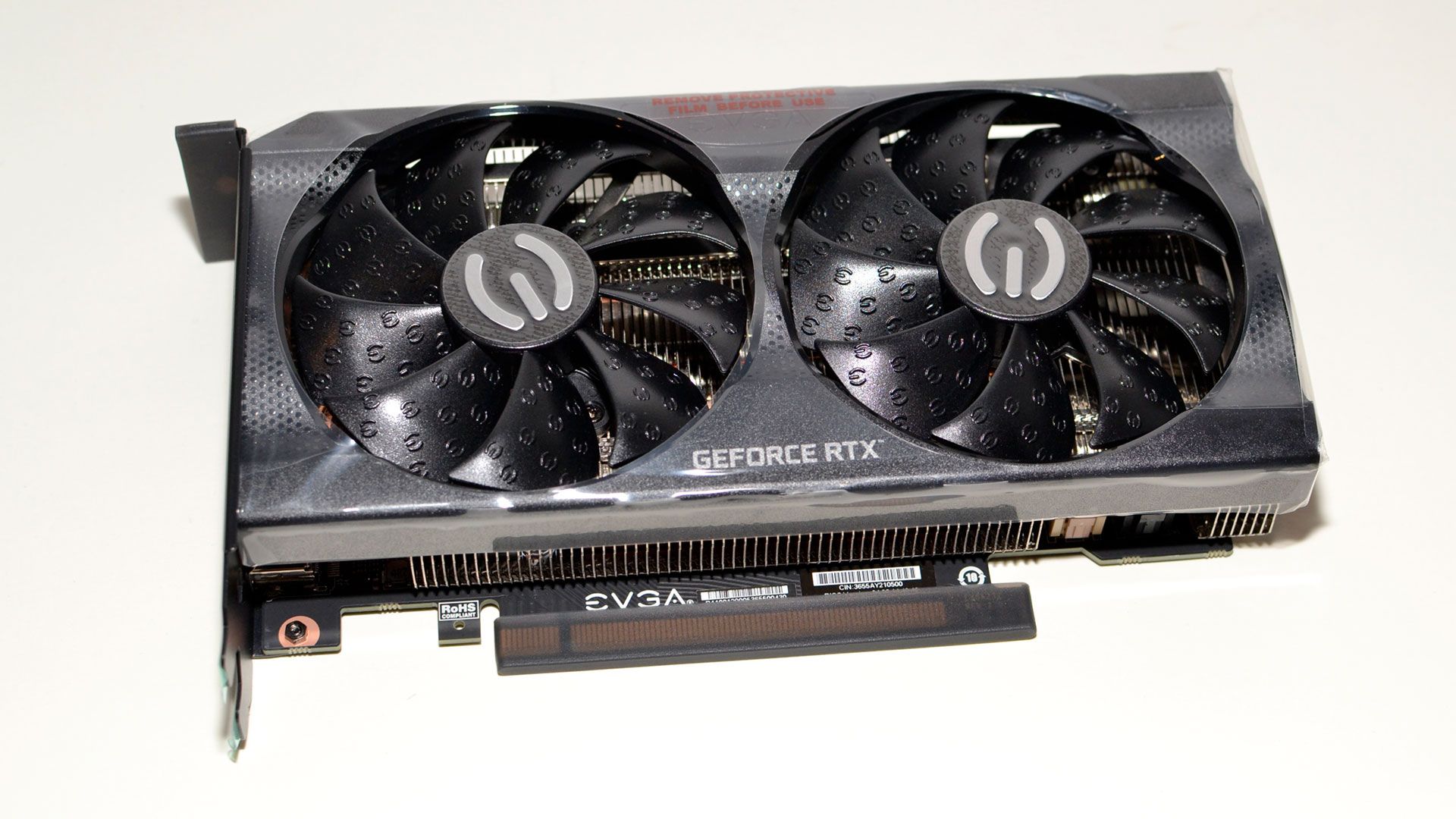

Samsung 8nm Node Lowers Production Costs
The core of this strategy lies in the silicon itself. Reports suggest that Nvidia plans to relaunch the RTX 3060 by June 2026, leveraging the mature Samsung 8nm manufacturing process. This architecture is significantly more cost-effective than the TSMC 4N 5nm process utilized for the RTX 40 and RTX 50 series. By returning to an older node, Nvidia can bypass the high-demand bottlenecks at TSMC, ensuring a steady supply of chips that are cheaper to produce. This is a calculated retreat to a proven platform that still holds its own in modern benchmarks.
Manufacturing efficiency is the primary driver here. While the newer Blackwell and Ada Lovelace architectures push the boundaries of TFLOPS and thermal efficiency, they come with a "next-gen tax" that many gamers find hard to swallow. The Samsung 8nm process is a known quantity with high yields. This allows for a pricing strategy that could see the RTX 3060 hitting shelves at an aggressive $200 price point. For a card that still handles 1080p gaming with ease, that value proposition is difficult to ignore.
Nvidia Abandons RTX 5050 9GB Variant
This potential relaunch is not happening in a vacuum. It appears to be a direct response to a gap in the upcoming product stack. Plans for a 9GB VRAM version of the RTX 5050 have reportedly been halted, leaving a massive hole in the entry-level market. Nvidia needs a placeholder that offers more than just basic functionality. The RTX 3060, with its generous 12GB VRAM buffer, is the perfect candidate to fill that void. It offers better longevity for modern titles that are increasingly hungry for video memory.
The decision to stop the 9GB RTX 5050 suggests that Nvidia is rethinking how it handles the low-end segment. A 9GB card in 2026 might have been dead on arrival, especially with textures in modern engines demanding more space. By pivoting back to the 3060, the company provides a card that enthusiasts already trust. It is a rare case where an older product might actually offer better specs in the memory department than what was planned for its successor.
GDDR6 Memory Maintains Price Performance Lead
Cost control extends beyond the GPU die to the memory modules. The RTX 50 series is expected to move toward GDDR7, a cutting-edge standard that brings incredible speed but carries a premium price tag. The RTX 3060 relies on GDDR6, which has seen significant price drops as it becomes the industry standard for mid-range hardware. By sticking with GDDR6, Nvidia can keep the overall bill of materials low enough to target that $200 sweet spot without sacrificing the 12GB capacity that made the 3060 famous.
This memory strategy is vital for budget-conscious gamers. GDDR7 offers diminishing returns for 1080p and light 1440p gaming, which is where the 3060 thrives. The lower cost of GDDR6 allows Nvidia to maintain healthy margins while offering a price that competes with the used market. It is a move that prioritizes accessibility over raw, bleeding-edge speed, acknowledging that not every player needs to run games at 4K with path tracing enabled.
Second Hand Markets Influence Nvidia Strategy
Market data shows a strange disparity in current GPU pricing. On platforms like Amazon, a new RTX 3060 12GB can still command between $350 and $400. Meanwhile, the second-hand market on eBay has seen prices drop as low as $150 to $200. Nvidia’s relaunch aims to bridge this gap. By offering a brand-new card with a full warranty at the same price as a used unit, they can effectively recapture the budget segment from third-party resellers.
This strategic move ensures that Nvidia maintains market availability in a landscape where new cards are becoming increasingly expensive. The 3060 has been a staple of the Steam Hardware Survey for years, and a relaunch ensures its dominance continues. It provides a safe, reliable option for builders who are wary of the risks associated with buying used hardware. For those looking to build a PC in 2026, the return of the 3060 could be the most significant hardware event of the year.
Nvidia will likely dominate the sub-$250 market by leveraging older fabrication lines that competitors have already abandoned. This move will force AMD and Intel to reconsider their entry-level pricing structures for 2026 and beyond. Expect the RTX 3060 to remain the most-used GPU on Steam surveys well into the late 2020s.
Frequently Asked Questions
When is the RTX 3060 relaunch expected to happen?
Reports suggest that Nvidia is planning to bring the card back to the market in June 2026. This timing is intended to fill a gap in the entry-level hardware lineup.
Why is Nvidia relaunching an older card instead of a new one?
The 3060 uses a cheaper Samsung 8nm process and GDDR6 memory, making it more cost-effective than newer 5nm cards. It also serves as a replacement for the halted RTX 5050 9GB project.
How much will the relaunched RTX 3060 cost?
The target price for the relaunch is approximately $200, making it highly competitive with the current second-hand market. This pricing makes it an ideal choice for budget-conscious PC builders.
Tags :
Confirmed details first, useful context second. This is the quickest path to the source trail and the next pages worth opening.
Source date: April 18, 2026