Nvidia's RTX 50-Series Just Hit a Major Roadblock — And an Old Favorite Is Returning
Nvidia's iron grip on the GPU market usually follows a predictable rhythm, but the latest leaks suggest the beat is about to skip. While enthusiasts were priming their wallets for the RTX 50-series, a sudden shift in the roadmap has left the mid-range market in a state of total confusion.
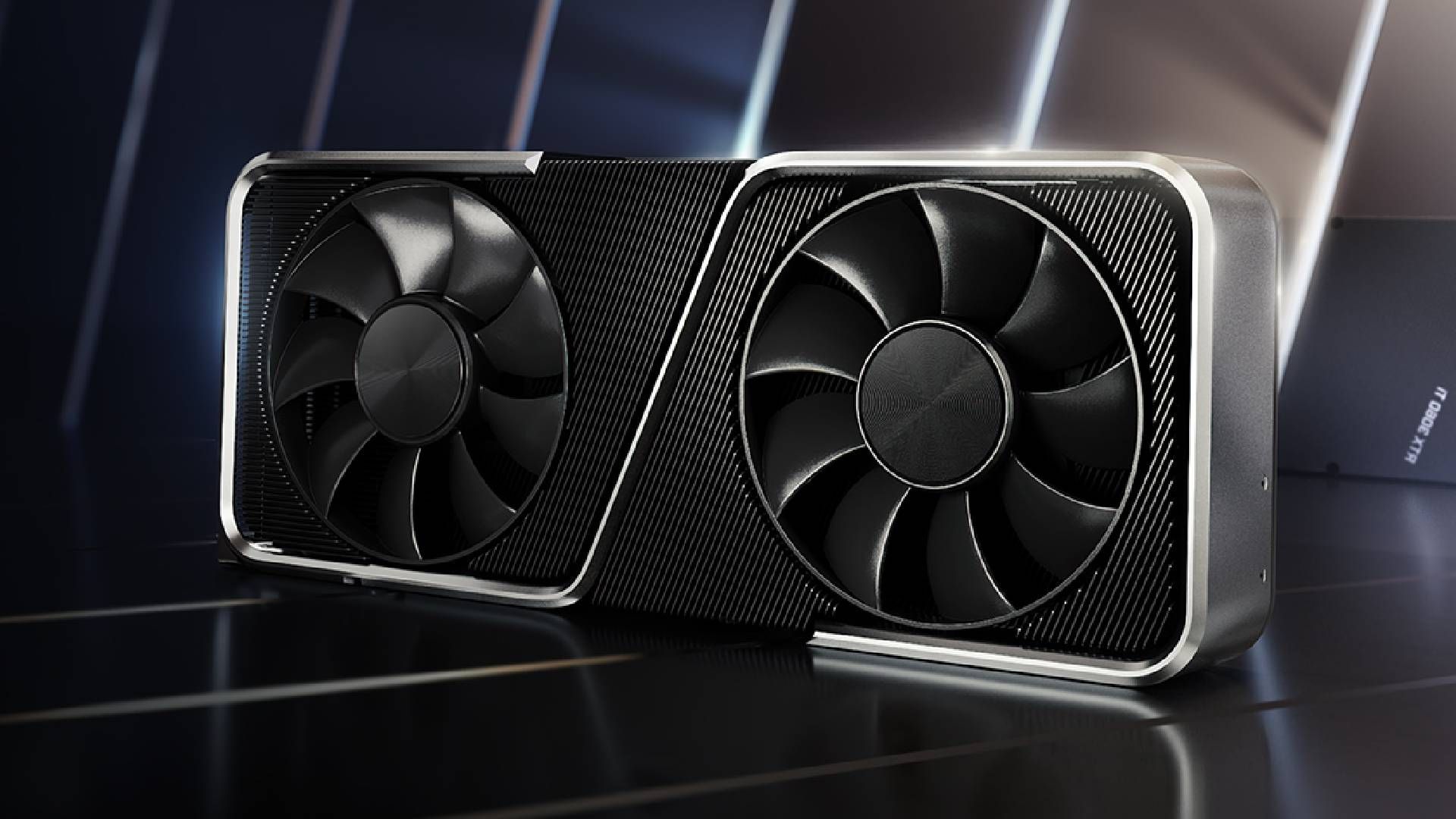
What this means for players: The dream of an affordable, next-gen Blackwell card is slipping further away, potentially leaving a massive hole in the market that only older architecture can fill. If you were planning on a budget-friendly upgrade this year, you might want to hold onto your current rig a little longer.

Nvidia Blackwell Launch Schedule Faces Delays
The hype surrounding the Blackwell architecture has been deafening, but the latest reports from industry insiders suggest the rollout is hitting some serious turbulence. Specifically, the well-known leaker MEGAsizeGPU has signaled a delay for the "Post RTX 5050 9G" model. This isn't just a minor hiccup; it represents a fundamental shift in how Nvidia is approaching the entry-level and mid-range segments of the RTX 50-series. When the most anticipated budget card of the generation gets pushed back, it sends ripples through the entire hardware ecosystem.
Industry trackers are now describing Nvidia's future launch plans as "pretty uncertain." This lack of clarity is rare for Team Green, which usually operates with surgical precision. The delay of a 9GB VRAM model—a configuration that has already sparked heated debate among gamers—suggests that Nvidia might be rethinking its memory strategy or facing yield issues that make a wide release difficult. While the flagship RTX 5090 and 5080 are still expected to lead the charge, the cards that most people actually buy are currently stuck in a developmental limbo.
The uncertainty isn't just about dates; it's about the value proposition. If the RTX 5050 is delayed, it leaves a vacuum in the $200-$300 price bracket. Competitors like AMD and Intel are likely watching this space closely, as any delay from Nvidia provides a golden opportunity for the Radeon or Arc lineups to capture the budget-conscious audience. For now, the Blackwell roadmap looks less like a high-speed highway and more like a construction zone.
RTX 3060 Makes A Surprise Return
In a twist that feels like a glitch in the matrix, rumors are swirling that Nvidia is preparing to revive one of its most popular cards of all time. A recent insider tweet suggests that a newly produced RTX 3060 could be heading back to factory lines to fill the gap left by the 50-series delays. This isn't just about clearing old stock; we are talking about a fresh production run of Ampere-based silicon to keep the mid-range market afloat. The estimated time of arrival for this rumored comeback is June 2026.
Why this matters: The RTX 3060 has long been the king of the Steam Hardware Survey, offering a sweet spot of performance and VRAM that the RTX 4060 struggled to overshadow. If Nvidia truly brings this card back in 2026, it signals a massive admission that current-gen and next-gen pricing structures are failing the average gamer. A June 2026 release would place the 3060 in the middle of the Blackwell lifecycle, creating a bizarre situation where "new" hardware is technically two generations old.
This move would likely target the massive group of players still rocking GTX 10-series or 16-series cards who find the RTX 40-series too expensive or underwhelming. By re-releasing the 3060, Nvidia can maintain market share without having to lower the prices of its newer, more expensive Blackwell chips. It is a defensive maneuver designed to ensure that if a gamer can't afford a 50-series card, they still buy an Nvidia product rather than looking toward the competition.
Nvidia Strategy Recalls Past Stopgap Hardware
This wouldn't be the first time Nvidia has reached into its archives to solve a modern problem. Looking back at the historical context of GeForce launches, the company has a track record of using "stopgap" refreshes. In 2021, amidst the height of the GPU shortage, Nvidia famously introduced the RTX 2060 12GB. This was a move to provide gamers with something—anything—to buy before the massive introduction of the RTX 4090 and the rest of the Lovelace family. It was a bridge between eras, and it seems the RTX 3060 might be destined for a similar fate.
The longevity of these older cards is bolstered by Nvidia's software stack. In January, a significant update saw all GeForce cards gain access to DLSS 4.5 features. This update was a past milestone that helped narrow the gap between older hardware and the latest releases. By ensuring that older architectures like Ampere can still benefit from modern AI upscaling improvements, Nvidia makes the prospect of buying a "new" RTX 3060 in 2026 much more palatable for the average user. It’s a strategy that prioritizes the ecosystem over pure hardware progression.
However, relying on stopgaps can be a double-edged sword. While it keeps the market supplied, it also risks stagnating the technological floor for game developers. If a huge portion of the player base is still using 30-series hardware in 2026 and 2027, developers may be hesitant to fully embrace the path-tracing and heavy AI features that the RTX 50-series is designed to showcase. Nvidia is walking a fine line between keeping gamers happy and keeping the industry moving forward.
The Blackwell generation will likely see a staggered release that prioritizes high-margin enterprise and enthusiast chips while the budget sector remains volatile. Gamers should prepare for a market where the latest technology carries a significant premium, leaving older, reliable architectures to do the heavy lifting for the mainstream. The reported June 2026 window for the RTX 3060's return will be the ultimate litmus test for whether nostalgia and value can beat out raw, next-gen innovation.
Frequently Asked Questions
Is the RTX 5050 being delayed?
Reports from insiders like MEGAsizeGPU indicate that the RTX 5050 9GB model faces significant delays, leaving Nvidia's mid-range roadmap currently uncertain.
Why is Nvidia rumored to be bringing back the RTX 3060?
The RTX 3060 may return in June 2026 to fill a market gap and provide a budget-friendly option while the RTX 50-series faces production or scheduling shifts.
Does the RTX 3060 support the latest DLSS features?
Yes, following a past update in January, all GeForce cards received DLSS 4.5 features, which helps older hardware maintain performance in modern titles.
Tags :
Confirmed details first, useful context second. This is the quickest path to the source trail and the next pages worth opening.
Source date: April 17, 2026