If you thought online N64 gaming was destined to remain a collection of frustrating lag spikes and desync errors, think again. A major fork of the RMG emulator just dropped a massive technical upgrade that could fundamentally change how we experience classic multiplayer gaming.
The integration of comprehensive rollback netcode means that the days of painfully high GoldenEye multiplayer input delay are rapidly fading into nostalgia. What this means for players: the barrier between enjoying a childhood classic and experiencing modern, stable online play has just been shattered.
This isn't just a minor patch; this is a complete overhaul aimed at bringing true, competitive network stability to the N64 experience. The sheer jump in performance metrics reported by early testers is genuinely staggering.
RMG-K Emulator Rolls Back Netcode for N64 Multiplayer Play
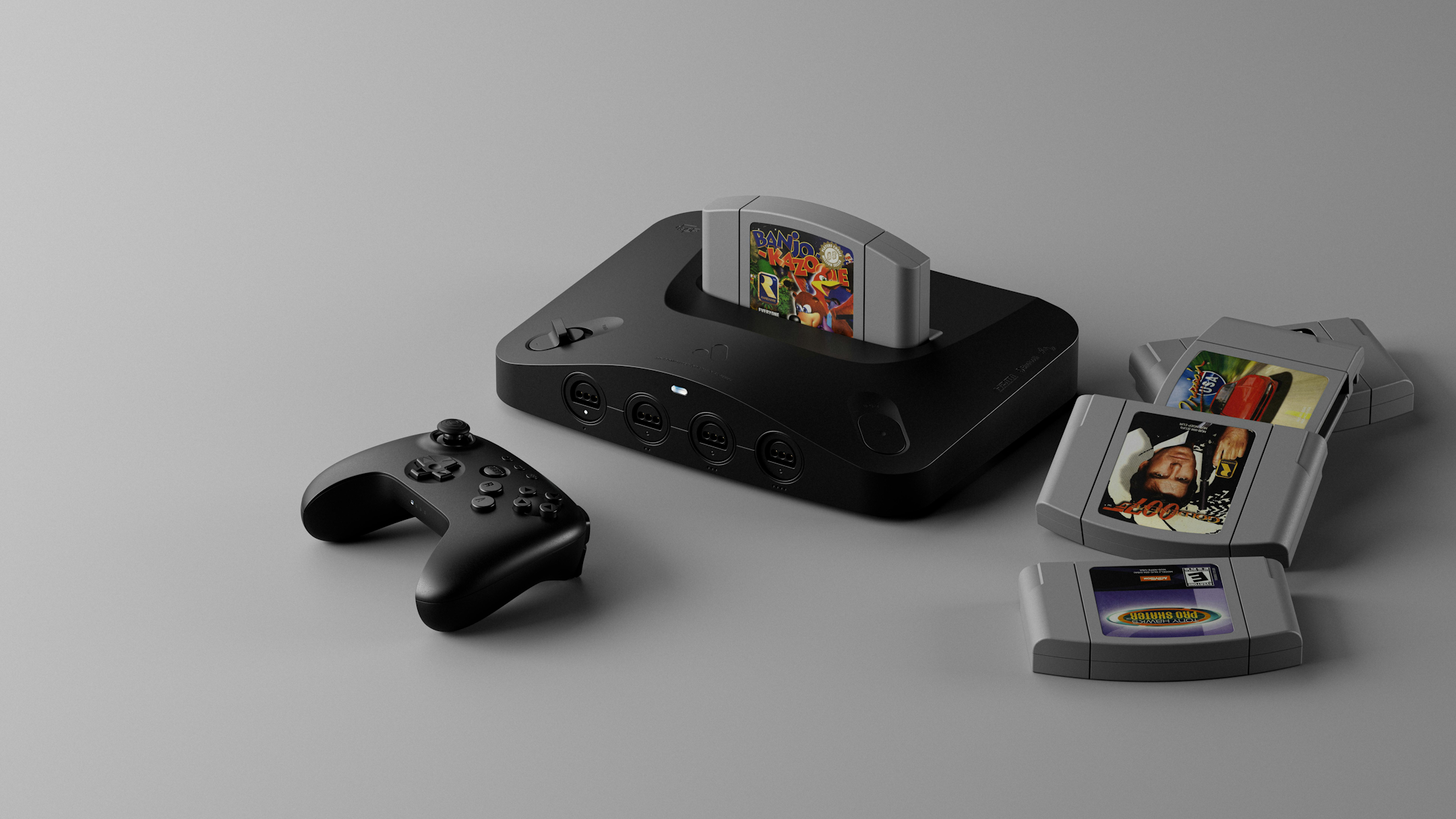
A fork of the RMG Nintendo 64 emulator, known as RMG-K, rolled out a significant update on May 14th. The centerpiece of this release is the integration of advanced rollback netcode. For years, enthusiasts have dreamt of playing titles like Super Smash Bros N64 multiplayer across continents without the dreaded ‘network stutter.’
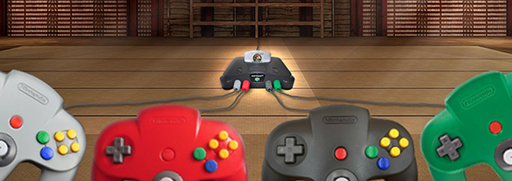
The initial testing results have been nothing short of revolutionary. Users are reporting greatly reduced input delay and a dramatic decrease in desynchronization issues—the bane of any retro online experience. One standout report detailed a successful cross-continental session, connecting players from Spain to Australia. The reported latency dropped from an unacceptable nine frames down to a mere four frames.
Why this matters: This massive performance leap confirms that the N64 emulator rollback netcode update is not just theoretical. It’s a tangible, functional improvement that makes long-distance, high-stakes gaming viable for the first time.
Testing GoldenEye and Smash 64 Stability
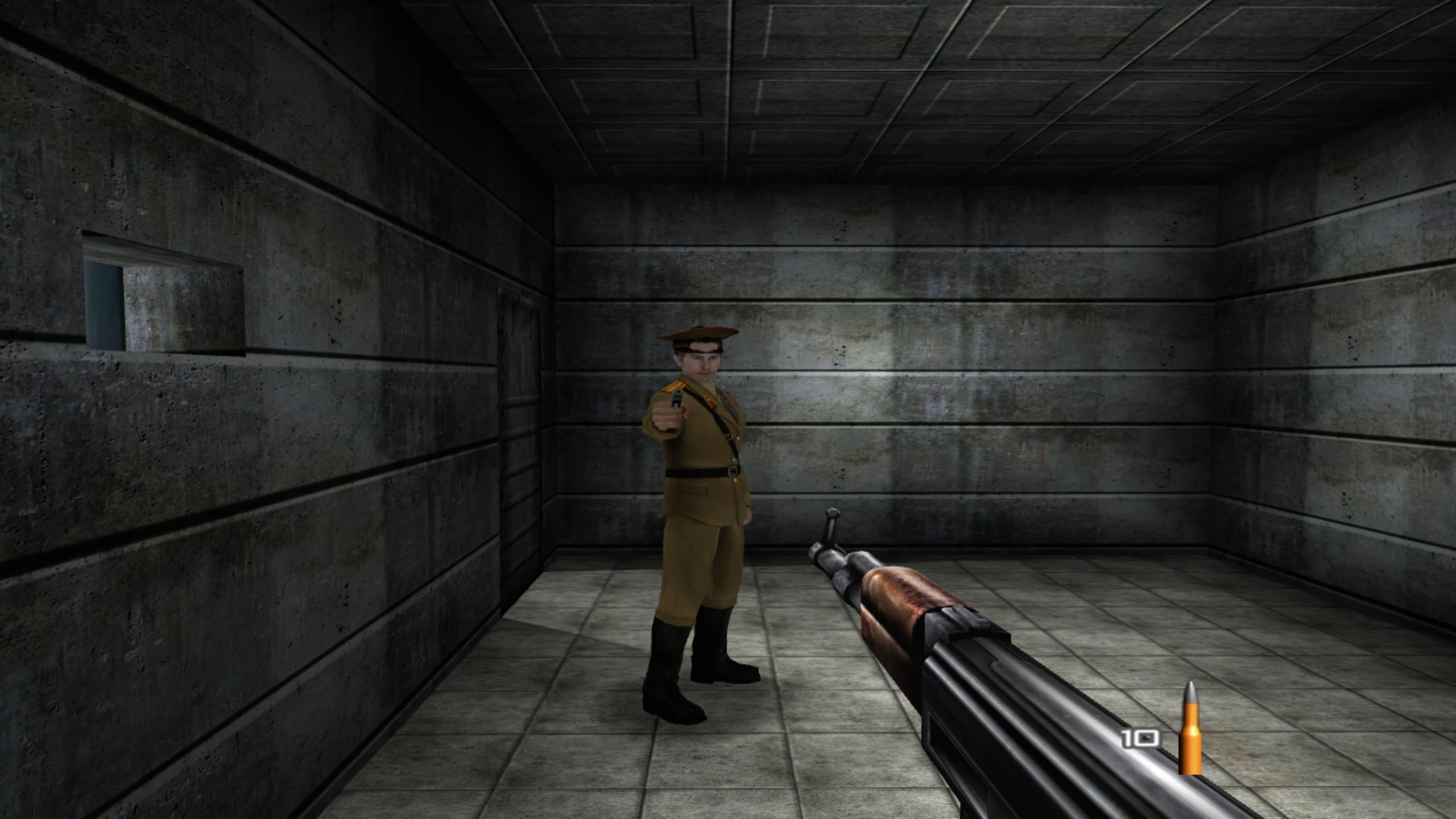
The new netcode wasn't just tested with simple inputs. Developers and early adopters demonstrated its effectiveness across demanding titles, including the chaotic firefights of *GoldenEye multiplayer* and the physics-heavy combat of *Smash 64*. The stability showcased in user-shared footage confirms the effectiveness of the rollback implementation under pressure.
Furthermore, the developers provided insight into the complexity of the project. While one user noted the implementation utilized Codex 'as an automation/helper' tool in the development process, the core achievement remains the robust handling of two-player sessions. The stability achieved for RMG-K emulator two-player sessions is a monumental technical feat that speaks to the depth of the coding effort.
The sheer scope of the performance gains makes this update a must-play for any dedicated retro gaming enthusiast looking to finally connect with friends regardless of time zone or physical distance.
Community Skepticism Meets Technical Achievement
While the technical achievements are undeniable, the update has not been without controversy. The RMG-K fork drew criticism from at least one developer who questioned the project's underlying development process. The critique suggested that the project might rely heavily on taking existing code and adding only superficial, cosmetic changes.
This skepticism was amplified by the discovery of a donation button added to the project’s ReadMe file, which the critic cited as evidence of the superficial nature of the development. It’s a classic case of technical brilliance meeting community scrutiny. The success of the emulator is now balanced on the merits of its code base versus the perceived scope of its updates.
Despite the debate over methodology, the functional reality of the rollback netcode update speaks for itself. The measurable reduction in input delay and the reliable cross-platform performance data are difficult to dispute.
The industry is clearly shifting toward treating emulation as a fully networked, modern platform. We can expect future iterations of this emulator to focus not just on graphical fidelity, but on maximizing real-world network resilience. Next, the focus will likely shift to optimizing AI coding features to further refine character behavior and interactions. The next major leap will probably involve optimizing support for other high-demand multiplayer titles, solidifying the emulator's place as the definitive N64 hub.
Frequently Asked Questions
What is rollback netcode in emulation?
Rollback netcode is a technique used to minimize the visible impact of network lag. Instead of waiting for data to arrive, the emulator predicts what should happen and "rolls back" the game state when the correct data finally arrives, minimizing stuttering.
Is this update compatible with all N64 titles?
Currently, the stability and performance gains have been most heavily showcased in titles like GoldenEye and Smash 64. However, the core netcode update aims to improve multiplayer functionality across the board.
When can I expect further RMG-K updates?
While the immediate focus is on maintaining stability, developers are continuously addressing compatibility and performance. Users should monitor the official RMG-K channels for future roadmap details and patch notes.
Confirmed details first, useful context second. This is the quickest path to the source trail and the next pages worth opening.
Source date: May 18, 2026