Nintendo is currently walking a tightrope that most console manufacturers would envy. While the flashy new Switch 2 is flying off shelves at a record pace, the aging original switch is refusing to go quietly into the night, propping up the company’s bottom line with a software library that simply won't quit. This creates a fascinating divide in the latest sales data: one console is for the early adopters chasing the next big thing, while the other remains a software-selling juggernaut that refuses to be sidelined.
What this means for players: If you are wondering if the upgrade is worth it, the numbers suggest that while the new hardware is the clear future, the massive library on your current device is still the center of the Nintendo universe. We are witnessing a generational handoff where the older sibling is still doing most of the heavy lifting in terms of game sales.
Switch 2 Hardware Sales Reach Major Milestone

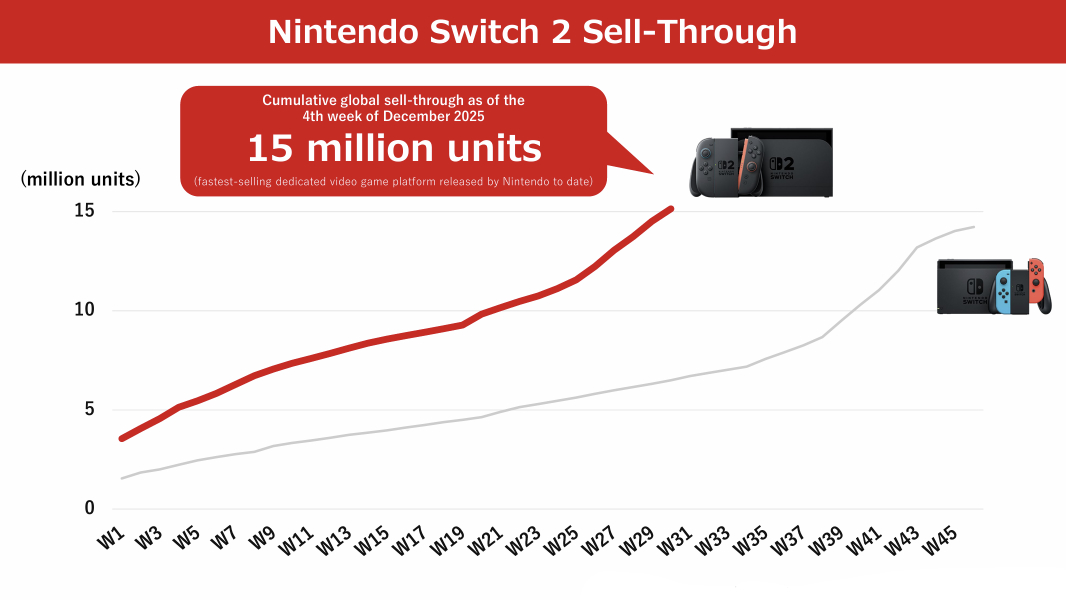
The momentum behind the Switch 2 is undeniable. As of March 31, 2026, the new console has officially reached 19.86 million units sold globally. For a system still in its early lifecycle, these numbers are staggering. In the most recent three-month window alone, the Switch 2 moved 2.49 million units. Compare that to the original switch, which managed 0.55 million units in the same period, and the trend is obvious. The hardware transition is effectively over; consumers are looking toward the future whenever they walk into a retail store.
This hardware dominance is fueled by a desire for better performance and the shiny new "Nintendo Switch 2 Edition" labels appearing on major franchises. However, hardware sales only tell half the story. While the new machine is the hot item for gift-givers and tech enthusiasts, the sheer volume of consoles already in the wild means the older platform still dictates the flow of the software market. This is a classic Nintendo move: build a massive install base and let it simmer even after the successor arrives.
Mario Kart World Drives Switch 2 Software

A console is only as good as its library, and the Switch 2 is already building a formidable one. Mario Kart World has exploded out of the gate, moving 14.70 million copies. It is the definitive "must-have" title for the new system, proving once again that Mario remains the king of the retail shelf. Following closely behind is Donkey Kong Bananza with 4.52 million units, showing that fans were hungry for a high-fidelity return to the jungle. Even Pokemon Legends: Z-A – Nintendo Switch 2 Edition has carved out a significant niche with 3.94 million sales, leveraging the increased power of the new hardware to deliver a more stable experience.
These titles represent the best build of the current Nintendo experience. They utilize the added overhead of the new console to deliver visuals and frame rates that the original hardware simply couldn't touch. For those asking if the new system is worth it right now, these three titles provide a compelling argument. The software attach rate for the new console is healthy, with over 48.71 million games sold specifically for the new platform since its launch. It is a fast start, but it still pales in comparison to the legacy numbers of its predecessor.
Original Switch Software Sales Remain Unstoppable
If you thought the original switch was dead, the software sales data will make you think again. In the last quarter alone, the older platform sold a massive 27.98 million software titles. That is more than double the 10.78 million software units sold for the Switch 2 in the same timeframe. The reason is simple: the install base is gargantuan. With 1,528.14 million games sold over its lifetime, the original ecosystem is an absolute titan that continues to generate massive revenue for Nintendo.
The heavy hitters are still the usual suspects. Mario Kart 8 Deluxe has reached an astronomical 71.08 million units, while Animal Crossing: New Horizons sits at 49.91 million. Even "newer" hits like Nintendo Switch Sports (18.32 million) and Super Mario Bros. Wonder (17.44 million) are seeing sustained engagement. This creates a unique situation where Nintendo is essentially competing with itself. They want you to buy the new hardware, but they are more than happy to keep selling you millions of copies of games on the hardware you already own.
Nintendo Ecosystem Shows Massive Global Depth
When you look at the total picture, Nintendo has created an ecosystem with unprecedented depth. The transition between generations isn't a hard cutoff but a slow, profitable bleed. By supporting both platforms simultaneously, they ensure that no player is left behind, regardless of their budget. The sales data proves that while the hardware spotlight has shifted, the revenue engine is still very much dual-fuel. The massive software sales on the older model provide the financial cushion Nintendo needs to take risks with upcoming Switch 2 titles.
This strategy also keeps the brand relevant across all demographics. Younger players or those on a budget can still find immense value in the original model's library, while enthusiasts push the Switch 2 toward its next 20-million-unit milestone. The release date of major upcoming patches and cross-gen titles will likely continue to bridge this gap. Nintendo isn't just selling a console; they are managing a transition that spans hundreds of millions of software units across two distinct hardware generations.
The hardware gap will continue to widen as the Switch 2 approaches its second year on the market. Expect the software sales on the original model to finally begin a steep decline by late 2026 as more flagship titles become exclusive to the new architecture. Nintendo will likely use this momentum to announce a mid-generation refresh or a significant price cut for the new model to capture the remaining holdouts.
Frequently Asked Questions
Is the Switch 2 worth it for casual players?
Yes, especially if you want to play new titles like Mario Kart World at higher resolutions and more stable frame rates. However, the original model still offers a massive library of 1.5 billion sold games that remain perfectly playable.
What is the official release date for the next major Pokemon?
While Pokemon Legends: Z-A – Nintendo Switch 2 Edition is already out, future mainline entries are expected to shift exclusively to the new hardware by 2027. This follows the current trend of hardware sales data favoring the newer system.
Will Nintendo stop making games for the original switch?
Not immediately, as the original model still sold nearly 28 million software units in the last quarter. Support will likely continue for smaller titles and "Evergreen" updates while major AAA development moves to the Switch 2.
Confirmed details first, useful context second. This is the quickest path to the source trail and the next pages worth opening.
Source date: May 8, 2026