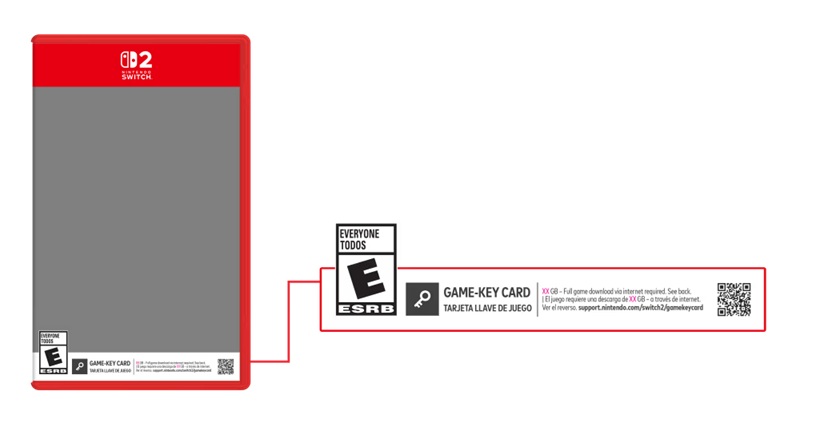
The physical media revolution is arriving on the Nintendo Switch 2, but it's not the cartridge slot you remember. Instead of a simple insert, Nintendo is rolling out a complex "game-key card" system that fundamentally changes how we interact with physical gaming.
What does this mean for players: It signals a major, mandatory shift toward a physical media hybrid approach, one that demands a new understanding of digital and physical ownership. Why this matters: This system dictates the immediate future of portable gaming, requiring users to download the game and then use the card for every session.
Key Takeaways:
- The Switch 2 requires a game-key card to launch downloaded titles, even offline.
- High-profile titles like Assassin’s Creed Shadows and FF7 Rebirth are confirmed for the key card rollout.
- Regional restrictions remain a factor, with some major titles initially limited to Japan.
Understanding the Key Card Physical Media Shift
The announcement surrounding the Nintendo Switch 2 game-key card release system isn't just a minor technical update; it's a fundamental change to the portable gaming contract. Nintendo is moving away from traditional cartridge mechanics, introducing a novel physical media approach that requires users to download the full game title first.
The physical key card acts less like a key and more like a mandatory launch token. Users must physically insert the card every time they wish to play, even if they have a robust internet connection. This mechanism is designed to track usage and perhaps manage licensing, but it adds a layer of friction never before seen in a mainstream Nintendo console.
The manufacturer has indicated that the list of games supported by these cards is expected to expand significantly, suggesting a rapid and ambitious rollout strategy. This move establishes the physical media hybrid approach as the core pillar of the Switch 2 ecosystem.
The rollout isn't just about novelty; it's about supporting a massive library of anticipated titles. The initial wave of game-key card releases is incredibly diverse, spanning everything from open-world action epics to niche sports simulations.
High-Profile Titles on the Key Card Rollout
The sheer volume and quality of the confirmed titles suggest Nintendo is aiming for a blockbuster launch cycle. The lineup is staggering, ensuring that key card ownership will feel like a premium, required accessory for any serious gamer.
Among the most anticipated are major gaming franchises. We are seeing titles like Assassin’s Creed Shadows, Bluey’s Happy Snaps, and Borderlands 4 slated for release. The list also includes massive, high-budget entries such as Final Fantasy 7 Rebirth, Hogwarts Legacy, and Star Wars Outlaws, confirming the platform's ability to handle modern, graphically intensive content.
For sports fans, the inclusion of NBA 2K26 and EA Sports FC 26 guarantees that the key card system will be essential for annual franchise titles. Furthermore, smaller but equally significant releases like Persona 3 Reload and Digimon Story: Time Stranger demonstrate the commitment to nurturing diverse, beloved Japanese IPs.
The confirmed key card titles confirm that this physical media hybrid approach is designed to maximize revenue streams across multiple genres, from RPGs to action-adventure.
Regional Restrictions and System Details
While the initial excitement centers on the blockbuster titles, players need to be aware of the underlying structural complexities. The release list is not uniform globally. For example, certain titles like Daemon X Machina: Titanic Scion are noted as being Japan-only, although the full game will eventually be available on a cartridge in Western markets. This indicates that the physical media strategy will require careful regional planning from consumers.
We also received confirmation of cancellations, such as the removal of Starbites from the potential release slate. This shows the dynamic nature of the development cycle, requiring players to stay updated on the most accurate release schedules.
For a deeper look at the implications of this new hardware cycle, check out this video:
What Does the Key Card System Really Mean?
The move toward the game-key card is a bold attempt by Nintendo to future-proof its hardware while simultaneously implementing a highly controlled method of content delivery. While the system adds a layer of required physical interaction, proponents argue it creates a robust, traceable, and highly desirable collectible component to the gaming experience.
This setup solidifies a key business model: the console is the portal, the download is the content, and the physical key card is the proof of purchase and activation mechanism. It elevates the perceived value of physical media, even when the core game experience is digital.
The industry shift is clear: gaming is increasingly merging digital convenience with physical scarcity. Consumers must adapt to this required physical touchpoint for every title they wish to play.
Frequently Asked Questions
Is the Nintendo Switch 2 game-key card mandatory for all games?
While the key card system is central to the new physical media hybrid approach, the manufacturer has indicated that the list of supported titles will expand. It is designed to be the primary method of activation for new major releases.
What is the difference between the key card and a traditional cartridge?
A traditional cartridge holds the game data itself, whereas the key card acts as a digital activation token. The game must still be downloaded to the console, and the card is required to initiate the session.
Are all the major titles like Assassin's Creed Shadows available immediately?
The article lists several high-profile titles slated for release, but the rollout is staggered. Players should monitor official announcements for specific release dates and regional availability.
Industry analysts predict that the initial controversy surrounding the physical media hybrid approach will quickly fade as the massive, high-profile titles prove the system's convenience. The long-term success hinges on the sheer volume of content that can be released via the key card ecosystem. Expect Nintendo to leverage this unique mechanism to drive unprecedented collector interest and continuous hardware sales.
Furthermore, the focus on physical key cards elevates the status of the console itself, potentially leading to higher initial hardware price points. This system is not just about activation; it's about creating a tangible, valuable piece of gaming history for the next generation.
Given the massive investment in the confirmed lineup, the manufacturer will likely introduce multiple hardware revisions or accessory bundles to maximize the key card's perceived value in the coming year.
Confirmed details first, useful context second. This is the quickest path to the source trail and the next pages worth opening.
Source date: May 25, 2026