A quiet tremor is shaking the very foundations of Nintendo's legendary creative teams. The architect behind some of gaming's most cherished worlds, Director Takashi Tezuka, is officially stepping down, confirmed through a recent financial document. This isn't just one departure; it signals a broader shift as other long-time veterans, including Hideki Konno and Kensuke Tanabe, also retire.
What this means for players: The very DNA of future Nintendo titles could be undergoing a profound evolution, moving beyond the direct influence of the minds that shaped iconic franchises. This marks a significant moment for the Nintendo Creative Core Shifts, prompting questions about the future direction of beloved series.
Takashi Tezuka Departs Nintendo Legacy
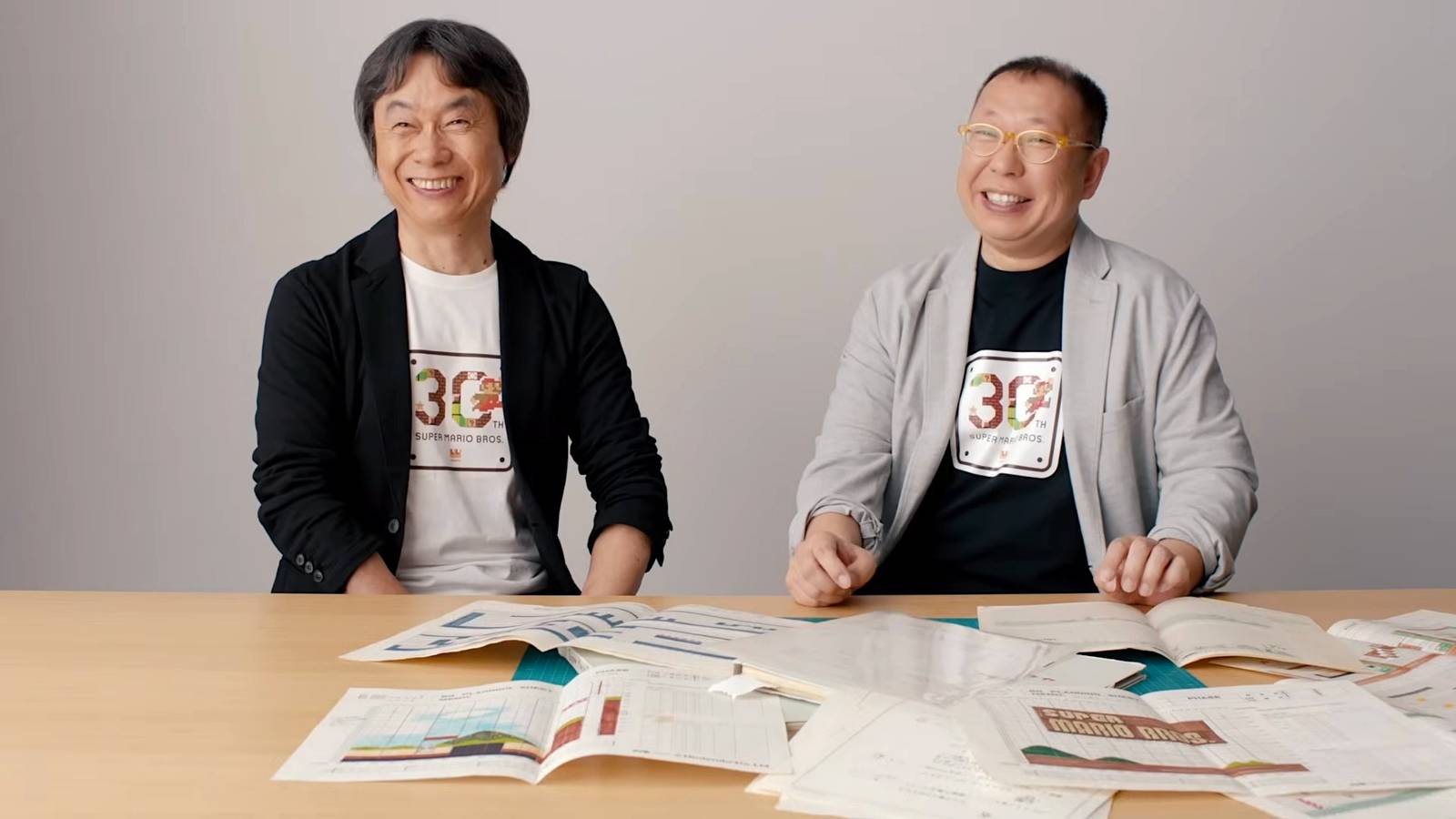
For decades, Takashi Tezuka has been a titan in video game development, his name synonymous with groundbreaking titles. He played a pivotal role in creating masterpieces like Super Mario Bros. 3 and the critically acclaimed The Legend of Zelda: A Link to the Past. His retirement isn't just the end of an era; it's a clear indicator of a changing guard within Nintendo's most hallowed halls.
Tezuka's exit follows a noticeable pattern of senior staff retirements. These are the individuals who have shaped Nintendo's unique design philosophy for generations, creating the "Nintendo difference" that players worldwide have come to adore. The collective departure of these creative legends necessitates a closer look at what comes next for the company's development teams.
Nintendo Embraces Global Design Philosophy

Even as he prepared for his departure, Tezuka himself offered insights into Nintendo's evolving strategy. He recently underscored the company's intensifying focus on global design, emphasizing the critical need to consider worldwide culture during game development. The goal, as he articulated, is for Nintendo's games to be "enjoyed and understood worldwide by as many people as possible."
This commitment to global accessibility isn't new, but it's clearly becoming a central pillar of Nintendo's creative process. Tezuka also reflected on the genesis of Super Mario Maker, highlighting how the game emerged from internal designers simply finding joy in using Nintendo's own course-making tools. This anecdote provides a glimpse into a potential future where internal innovation and user-friendly creation tools, much like those seen in Nintendo Super Mario Maker, could drive new game concepts.
Tezuka's Exit: Nintendo's Future Path
The retirement of a creative powerhouse like Takashi Tezuka inevitably sparks debate about the continuity of Nintendo's cherished classic design ethos. With so many veterans stepping away, the company is undeniably entering a significant transition period for its core development teams. This period will define how Nintendo maintains its unique identity while adapting to new creative leadership.
The pronounced focus on global accessibility and the emphasis on internal design tools, as Tezuka himself discussed, are likely to become dominant themes in future Nintendo development cycles. Expect to see games that aim for broader appeal and perhaps even more titles that empower players with creative tools, building on the legacy of projects like Super Mario Maker.
The impact of these Nintendo Creative Core Shifts could be profound. It's not just about who is leaving, but about the new philosophies and leaders stepping up to guide Nintendo's next generation of games. This transition will test Nintendo's ability to innovate while preserving the magic that has captivated generations.
Industry analysts suggest that Nintendo's strategic emphasis on global appeal will likely see development teams prioritizing broader cultural resonance over niche market preferences. This shift could lead to more universally understandable game mechanics and narrative themes. Furthermore, the reliance on internal design tools, as championed by Tezuka, points towards a future where game creation might become more iterative and accessible within Nintendo's own studios, potentially accelerating development cycles. The challenge will be to balance this global outlook with the unique charm and innovation that defines classic Nintendo games, ensuring that new leadership can effectively carry the torch.
Frequently Asked Questions

What is the significance of Takashi Tezuka's retirement?
Takashi Tezuka's retirement is significant because he was a key creative figure behind iconic games like Super Mario Bros. 3 and The Legend of Zelda: A Link to the Past, signaling a major shift in Nintendo's core creative leadership.
How will Nintendo's focus on global design impact new games?
Nintendo's growing emphasis on global design means future games will likely prioritize worldwide cultural understanding and broad accessibility, aiming to be enjoyed by as many people as possible across different regions.
What does the departure of veteran staff mean for classic Nintendo game design?
The departure of veteran staff, including Takashi Tezuka, suggests a significant transition period for Nintendo's development teams, raising questions about the continuity of their classic design ethos and the influence of new creative visions on future titles.
Confirmed details first, useful context second. This is the quickest path to the source trail and the next pages worth opening.
Source date: May 8, 2026