Nintendo Switch 2 Pricing Leaks Confirm Paid Content Ecosystem
The Nintendo Switch 2 isn't just a hardware refresh; it's shaping up to be a complete financial ecosystem. Forget the idea of a simple generational leap; the latest reports suggest Nintendo is planning a massive, highly monetized content model built on "upgrades" and paid expansions for every major title. What does this mean for players: Prepare for a library of premium, paid experiences that might fundamentally change how you budget for your console.
The initial reports detailing the Nintendo Switch 2 pricing leaks paint a picture of a console that will require significant investment—not just in the machine itself, but in the content that runs on it. This isn't just about buying new games; it's about buying permanent, paid additions to established gaming worlds.
- Paid Ecosystem: The console is expected to feature expensive "Upgrade Packs" and paid editions for existing flagship titles.
- Franchise Focus: Major IPs like Zelda, Pokémon, and Super Mario are all slated for paid, enhanced content drops.
- High Investment: Full-featured titles, including Mario and simulation games, are priced high, confirming a commitment to premium, paid experiences.
This shift means the barrier to entry for high-quality gaming content is higher than ever before, requiring players to budget not just for the console, but for its entire digital library.
The High Cost of Paid 'Upgrades'
The most immediate and startling takeaway from the current Nintendo Switch 2 pricing leaks is the confirmed existence of "Upgrade Packs." These aren't simple DLC; they are substantial, expensive bundles designed to enhance or expand existing games. The pricing structure is varied, but the concept is clear: ownership of the base game is only the beginning.
For example, one rumored bundle involving *Kirby and the Forgotten Land: Nintendo Switch 2 Edition* and *Star-Crossed World* is listed at $19.99. This suggests that Nintendo is positioning these upgrades not as optional extras, but as core, required enhancements to the gaming experience. This strategy solidifies the concept of the Nintendo Switch 2 paid content ecosystem.
The sheer volume of major titles listed with specific, high prices confirms that the financial model for the next console generation is heavily geared toward continuous, paid content acquisition. Players need to adjust their spending habits to accommodate this model.
Major Franchises Targeted for Monetization
The evidence points to a strategic rollout across Nintendo’s most beloved and profitable franchises. This isn't random monetization; it's targeted, designed to keep fans invested in the IP for years.
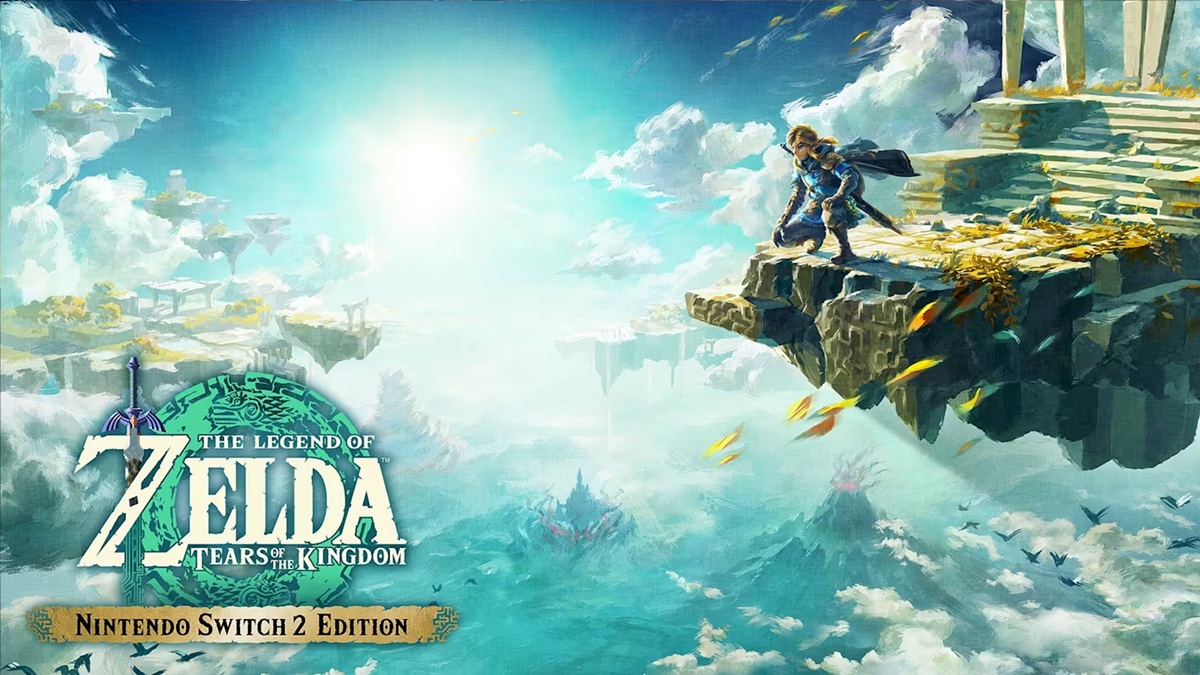
The most notable confirmations involve the sprawling worlds of the *Legend of Zelda*. Both *Breath of the Wild* and *Tears of the Kingdom* are slated for paid, enhanced editions, each at a rumored $9.99 price point. This suggests that the complexity of the Zelda Tears of the Kingdom upgrade price will be a major selling point for the new system.
The monetization strategy extends far beyond just Nintendo's flagship IPs. High-profile franchises like *Pokémon Legends: Z-A* ($9.99), *Metroid Prime 4: Beyond* ($9.99), and even *Xenoblade Chronicles X: Definitive Edition* ($4.99) are confirmed to have paid editions. This breadth demonstrates that the entire gaming industry portfolio is being integrated into this premium model, ensuring that every major fan base has a paid entry point.
Super Mario Bros. Wonder Pricing and Scope
The scope of the content library is equally revealing. The pricing model is not limited to massive RPGs or open-world adventures; it covers the entire spectrum of gaming genres. From deep simulation titles like *Story of Seasons: Grand Bazaar* to pure fun experiences like *Tamagotchi Plaza*, every niche is targeted.
The significant listing for *Super Mario Bros. Wonder* and *Super Mario Party Jamboree* at $19.99 is a clear signal. This suggests that even the most accessible, family-friendly games are being treated as full-price, major paid releases, solidifying the expectation that a significant investment is required to access the full, high-quality experience. This focus on paying for major franchises is the core takeaway from the Nintendo Switch 2 pricing leaks.
The Future of Nintendo Gaming
The implications of this paid content ecosystem are massive. Nintendo is not just building a console; they are building a sustainable, high-margin digital storefront. The focus is on longevity and continuous revenue streams, ensuring that the hardware sales are just the gateway to the real money.
This financial shift forces both players and third-party developers to reconsider their expectations of what constitutes a "full game" experience on the platform. The emphasis is clearly on premium, paid content across the board, guaranteeing a rich but expensive digital library.
Industry analysts suggest that the initial launch window will be crucial for setting the tone, requiring deep integration of paid content into core game loops. We anticipate seeing a gradual rollout of these paid titles, starting with the most established IPs to build immediate consumer confidence in the new pricing model.
Ultimately, the success of the Switch 2 will hinge on whether the sheer volume and quality of these paid titles can justify the premium price tag for the consumer base.
Frequently Asked Questions
When is the Nintendo Switch 2 expected to launch?
While no exact date has been confirmed, industry speculation and the urgency of these leaks suggest a launch within the next 12 to 18 months. Keep an eye on official Nintendo channels for concrete release window details.
Are the 'Upgrade Packs' mandatory to play the games?
No, the base games are likely playable at launch, but the paid 'Upgrade Packs' are designed to enhance the core experience with new features, levels, or characters, making them highly recommended for full immersion.
Will the pricing model apply to all future Nintendo titles?
Given the strategic focus seen in the Nintendo Switch 2 paid content ecosystem, it is highly probable that the paid, modular content approach will become the standard for major franchise releases moving forward.
Confirmed details first, useful context second. This is the quickest path to the source trail and the next pages worth opening.
Source date: May 25, 2026