Nintendo is walking a financial tightrope that could change the cost of your next console forever. With a global memory crisis squeezing margins and stock prices dipping, the Kyoto giant is facing a brutal reality check ahead of this Friday’s earnings call. What this means for players: The days of the "affordable" $300 Nintendo console might be ending as manufacturing costs force a historic shift in strategy.
The pressure on the Nintendo Switch ecosystem has reached a boiling point. While the current hardware continues to move units, the shadow of its successor is looming large over the company’s balance sheet. Investors are no longer just looking at software sales; they are hyper-focused on how Nintendo will navigate an increasingly expensive hardware landscape. The primary concern isn't just about innovation, but about the cold, hard math of manufacturing a modern gaming machine in a volatile global economy.
Nintendo Stock Drops Amid Memory Crisis
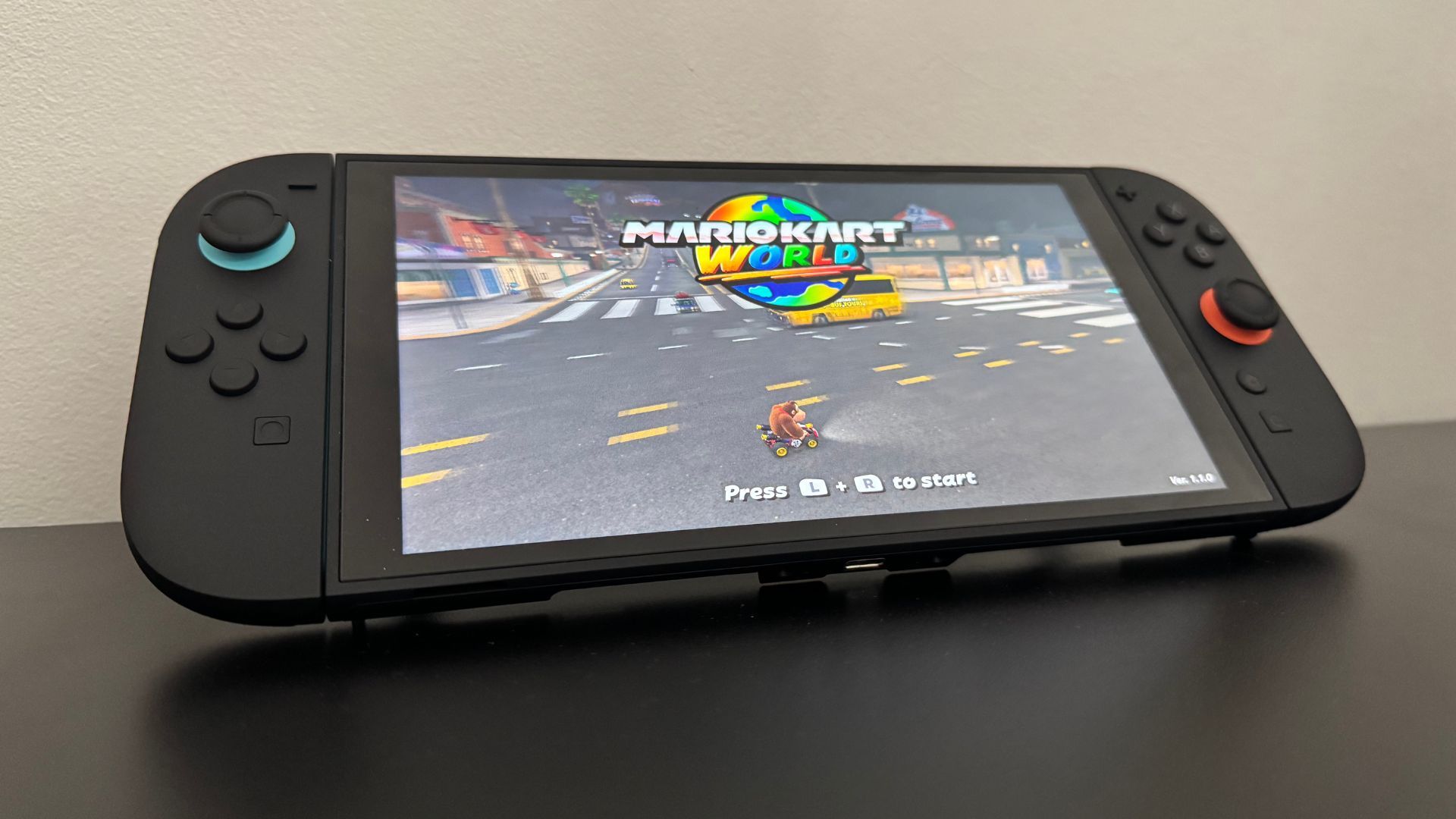
Recent financial reports paint a stark picture of the challenges facing the industry leader. A Bloomberg report recently highlighted a significant decline in Nintendo’s stock value, a trend exacerbated by a persistent memory crisis. This isn't just a supply chain hiccup; it’s a fundamental shift in the cost of goods. As components become more expensive, the pricing dilemma for the next generation of hardware becomes more acute. Nintendo has traditionally relied on older, more affordable technology to keep its entry price low, but that strategy is hitting a wall.
Geopolitical instability is also playing a massive role in this financial story. The report specifically points to market anxiety stemming from the war in Iran, which has sent ripples through global trade routes and tech manufacturing hubs. For a company like Nintendo, which relies on a precise "just-in-time" delivery model for its components, these external shocks are more than just headlines—they are direct threats to the best build of their next console. If the cost of NAND flash or DRAM continues to climb, the internal hardware of the next Nintendo Switch might have to be scaled back, or the price will have to go up.
Hideki Yasuda Warns of Pricing Dilemma

The internal debate over how to handle these costs has split the analyst community right down the middle. Hideki Yasuda of Toyo Research Advice has been vocal about the necessity of a price hike. Speaking to Bloomberg, Yasuda projected that the company's stock is likely to continue its downward trajectory unless Nintendo pulls the trigger on a higher MSRP. He argues that the traditional $299 price point is no longer sustainable given the current economic climate. This creates a massive market focus on whether Nintendo will break its long-standing tradition of consumer-friendly pricing.
While some rumors suggest a $50 to $100 price increase is on the table, Yasuda remains skeptical that even this would be enough. In his view, such an adjustment might still leave the console struggling to reach profitability on day one. This puts Nintendo's pricing pressure into perspective: they aren't just looking for extra profit; they are looking for a way to break even on hardware that is significantly more powerful than its predecessor. The struggle to find the best build that balances performance with a price families can afford is the hardest task the company has faced since the Wii U era.
Friday Earnings Call Shapes Nintendo Strategy
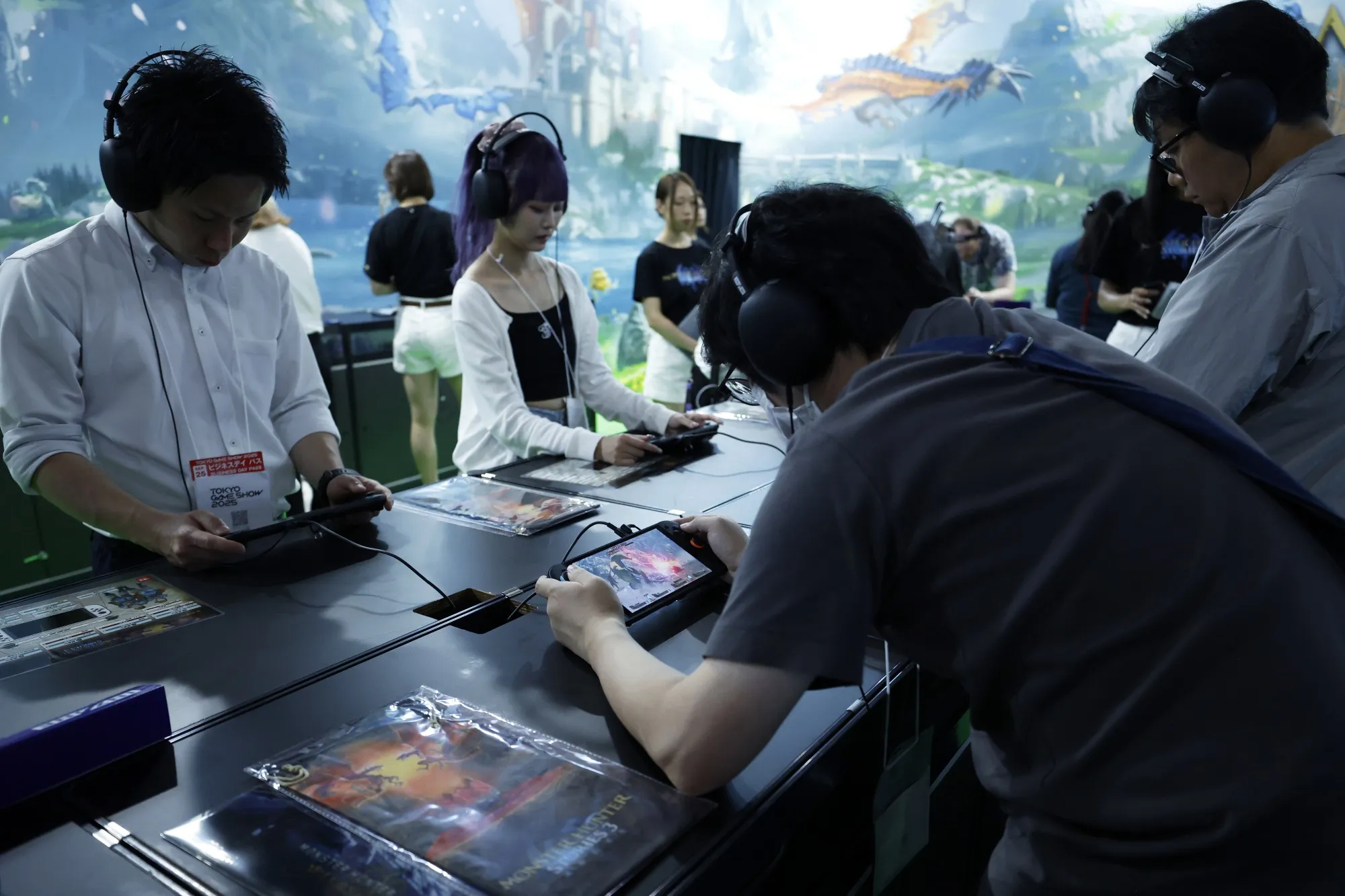
Conversely, not everyone thinks a price hike is the answer. Michael Pachter of Wedbush Securities has taken a different stance, advising that Nintendo would be "foolish to raise prices." Pachter’s logic rests on the idea that Nintendo’s greatest strength is its massive install base. By raising the barrier to entry, they risk slowing down the momentum that has made the Nintendo Switch a household name. This tension between immediate hardware profitability and long-term ecosystem growth is the central conflict the board of directors must resolve.
All eyes are now fixed on the upcoming earnings announcement this Friday. This isn't just another quarterly update; it is a defining moment for the company's future. Investors are looking for a clear roadmap that addresses the release date of future hardware and how the company plans to mitigate the memory crisis. The market focus remains squarely on whether the leadership will prioritize the stock price by raising hardware costs or prioritize the players by eating the manufacturing losses. It’s a high-stakes game of chicken with the global gaming market.
Nintendo will likely announce a conservative price hike of $50 to mitigate the impact of rising component costs without alienating its core family demographic. This strategic move will stabilize stock prices in the short term but may lead to a slower initial adoption rate compared to the original hardware launch. Expect the Friday earnings call to prioritize long-term ecosystem stability over immediate profit margins.
Frequently Asked Questions

Will the next Nintendo Switch be more expensive?
Analysts suggest a price increase of $50 to $100 is likely due to rising manufacturing and memory costs. However, some experts warn that raising prices could hurt Nintendo's reach with casual gamers.
When is the next Nintendo earnings call?
The highly anticipated earnings announcement is scheduled for this Friday. This meeting is expected to address the company's financial health and future hardware strategy.
Why is Nintendo facing pricing pressure right now?
A combination of a global memory shortage and geopolitical instability has significantly increased the cost of hardware components. This makes it difficult for Nintendo to maintain its traditional $300 price point for new consoles.
Confirmed details first, useful context second. This is the quickest path to the source trail and the next pages worth opening.
Source date: May 7, 2026