Neuralink, the neurotechnology firm founded by Elon Musk, has crossed a critical threshold in the evolution of brain-computer interfaces (BCIs), demonstrating a level of intuitive control previously confined to speculative fiction. The company’s latest success centers on its 18th human participant, known publicly as Noble, who has achieved the remarkable feat of playing the complex online role-playing game, World of Warcraft, using only neural signals processed by the N1 implant. This achievement is not merely a technical showcase; it represents a profound validation of Neuralink's approach to high-bandwidth, bidirectional brain communication and signals a paradigm shift in assistive technology.
The core of this breakthrough lies in the seamless translation of complex cognitive intent—the desire to move a character, cast a spell, or navigate a virtual environment—into actionable digital commands. For Noble, who is paralyzed from the neck down, the ability to immerse oneself in a dynamic, real-time interactive world like World of Warcraft offers a glimpse into a future where physical limitations do not equate to a cessation of digital agency. This moves beyond the simple cursor control seen in earlier BCI demonstrations, suggesting a far more sophisticated decoding of motor intent and executive function.
Neuralink Participant Experience
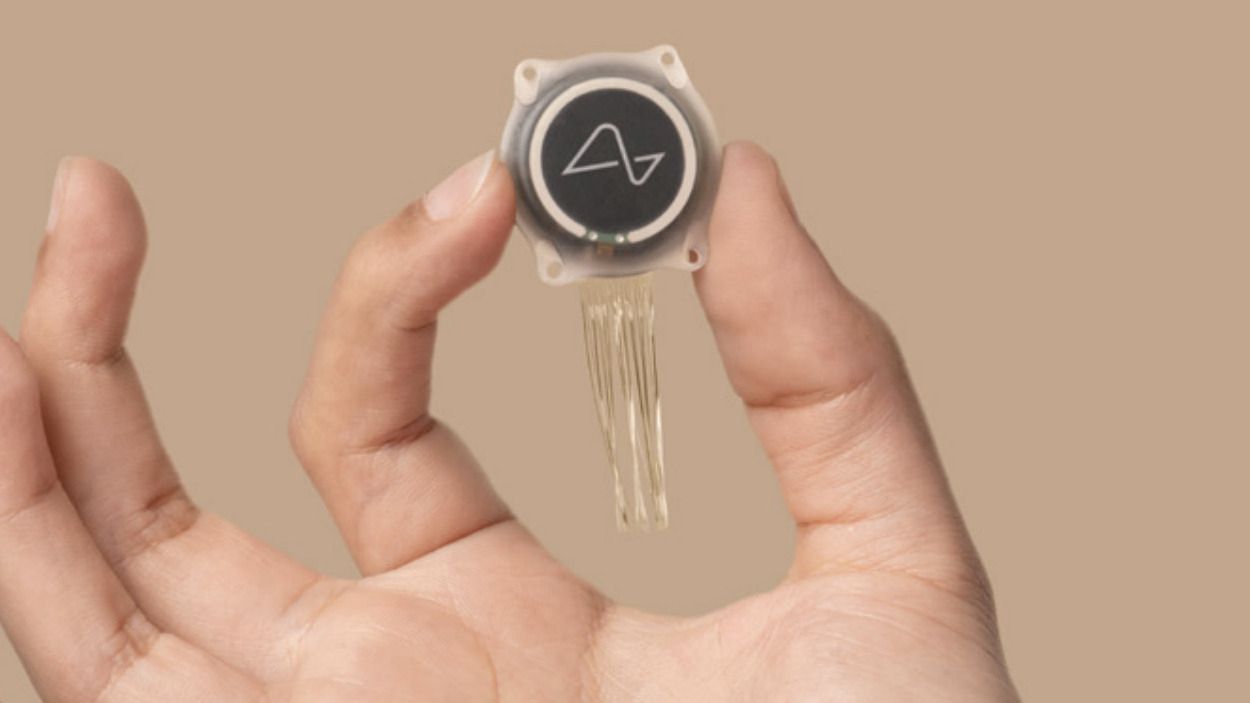
Crucially, the participant experience detailed by Noble suggests that the pathway to regaining this level of interaction is becoming increasingly streamlined. The surgical procedure itself, involving the implantation of the ultra-thin electrode threads, was reportedly managed with surprising ease. Noble described the operation, which utilized general anesthesia, as involving minimal post-operative discomfort and a relatively rapid recovery trajectory. This ease of implantation is a vital metric. For any neuroprosthetic technology to achieve widespread clinical adoption, the barrier to entry—the invasiveness and recovery time associated with the surgery—must be significantly lowered. Neuralink appears to be making tangible progress on this front, suggesting that the current iteration of their system is proving robust and manageable for the patient population.
World of Warcraft Command System
The selection of World of Warcraft as the benchmark application is strategically significant. Unlike simple grid-based selection tasks, WoW demands rapid, continuous, and nuanced control. Players must manage inventory, execute timed combat rotations, and communicate—all requiring high cognitive load. Noble's success in mastering this environment indicates that the N1 implant is effectively capturing and interpreting the necessary neural correlates for complex motor planning and execution. This capability directly translates to potential applications far beyond entertainment, suggesting that the system may soon be capable of managing advanced prosthetics, controlling environmental systems in a home, or facilitating high-speed, text-based communication for individuals with severe locked-in syndrome.
The implications for individuals living with high-level spinal cord injuries (SCI) are transformative. For years, assistive technologies have offered incremental improvements in communication speed or environmental control. Neuralink’s technology promises a leap, offering a pathway to functional independence that bypasses damaged neural pathways entirely. If this level of thought-based control can be scaled to control mobility devices—such as advanced wheelchairs or exoskeletons—it could redefine the standard of care and quality of life for millions.
Future Prospects in Neurorehabilitation
Anticipation is now focused on the next phases of Neuralink’s clinical trials, particularly the transition from demonstration tasks to practical, daily living applications. While gaming proves cognitive mastery, the true measure of this technology’s success will be its utility in areas like professional engagement, personal autonomy, and complex communication. The next logical steps involve integrating this neural control with external communication software and perhaps even exploring bidirectional feedback loops that could eventually restore some sense of tactile sensation, though the latter remains a more distant goal.
The current milestone positions Neuralink at the forefront of the BCI race, solidifying the viability of high-density, thread-based electrode arrays in a living human subject over an extended period. The data gathered from Noble’s continuous use will be instrumental in refining algorithms and ensuring long-term biocompatibility.
Expert analysis suggests that within the next three years, we will see commercial BCI systems offering robust, thought-driven environmental control as a premium medical option. The speed of adoption will hinge on regulatory approval, which will be accelerated by the positive safety and efficacy data emerging from these initial cohort studies. Further refinement of wireless power transfer and data transmission protocols will be necessary before these systems become as commonplace as current cochlear implants.
Tags : #Neuralink #WorldOfWarcraft #BrainComputerInterface #GamingInnovation #ParalyzingConditions
Confirmed details first, useful context second. This is the quickest path to the source trail and the next pages worth opening.