The pressure at the bottom of the ocean is enough to crush a steel submarine, but the weight of environmental collapse is even heavier. While most strategy titles task you with burning cities to the ground, a new contender in the genre is asking you to roll up your sleeves and fix the world instead. On May 19, the underwater cooperative real-time strategy game NAMAKORIUM is scheduled to leave early access and make its full debut on PC via Steam.
What this means for players: This launch signals a rare shift in the genre, moving away from traditional military conquest toward a high-stakes environmental mission that rewards coordination and precision over raw destruction. Since its initial debut on January 30, the title has been refined through community feedback to ensure the transition to a full release is as smooth as the seabed players are trying to restore.
NAMAKORIUM Ends Early Access This May

The journey for NAMAKORIUM began in the cold weeks of winter when it first appeared on Steam. Since January 30, the developers have used the early access period to calibrate the delicate balance between resource management and environmental restoration. Moving to a full 1.0 release on May 19 isn't just a change in version number; it represents a complete vision of what a modern co-op RTS can be when it focuses on a constructive goal.
Players who have been following the development know that the transition from a work-in-progress to a finished product often determines a game's legacy. By sticking to a relatively tight window between the initial launch and the final release, the team behind NAMAKORIUM has maintained momentum. This strategy avoids the "development hell" that plagues many indie projects, ensuring that the community remains engaged and the player base stays active for the big day.
Cleaning Oceans Requires Elite Planning Skills
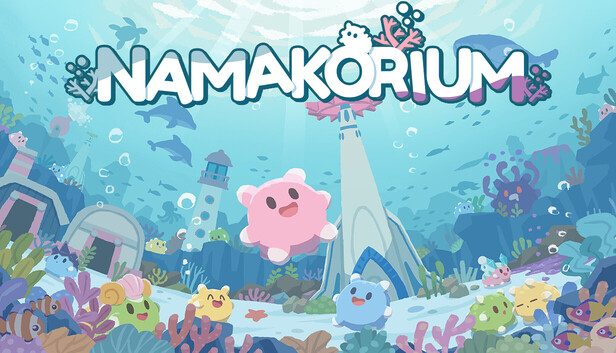
At its core, NAMAKORIUM is about logistics under pressure. As sea cleaners, players are tasked with managing a fleet of specialized drones and underwater vessels to scrub the abyss of pollutants. This isn't a mindless clicker; it is a complex real-time strategy game where every move counts. You aren't just fighting the clock; you are fighting the currents and the limited oxygen supplies of your base of operations.
Success in these depths relies heavily on your planning skills. Each mission requires a careful assessment of the terrain and the specific type of pollution present. Whether you are dealing with toxic waste barrels or microplastic clouds, your team must decide which units to deploy and where to establish your filtration hubs. One wrong move can lead to a chain reaction of equipment failure, forcing a frantic scramble to save the mission and your crew.
Cooperative RTS Action for Four Players
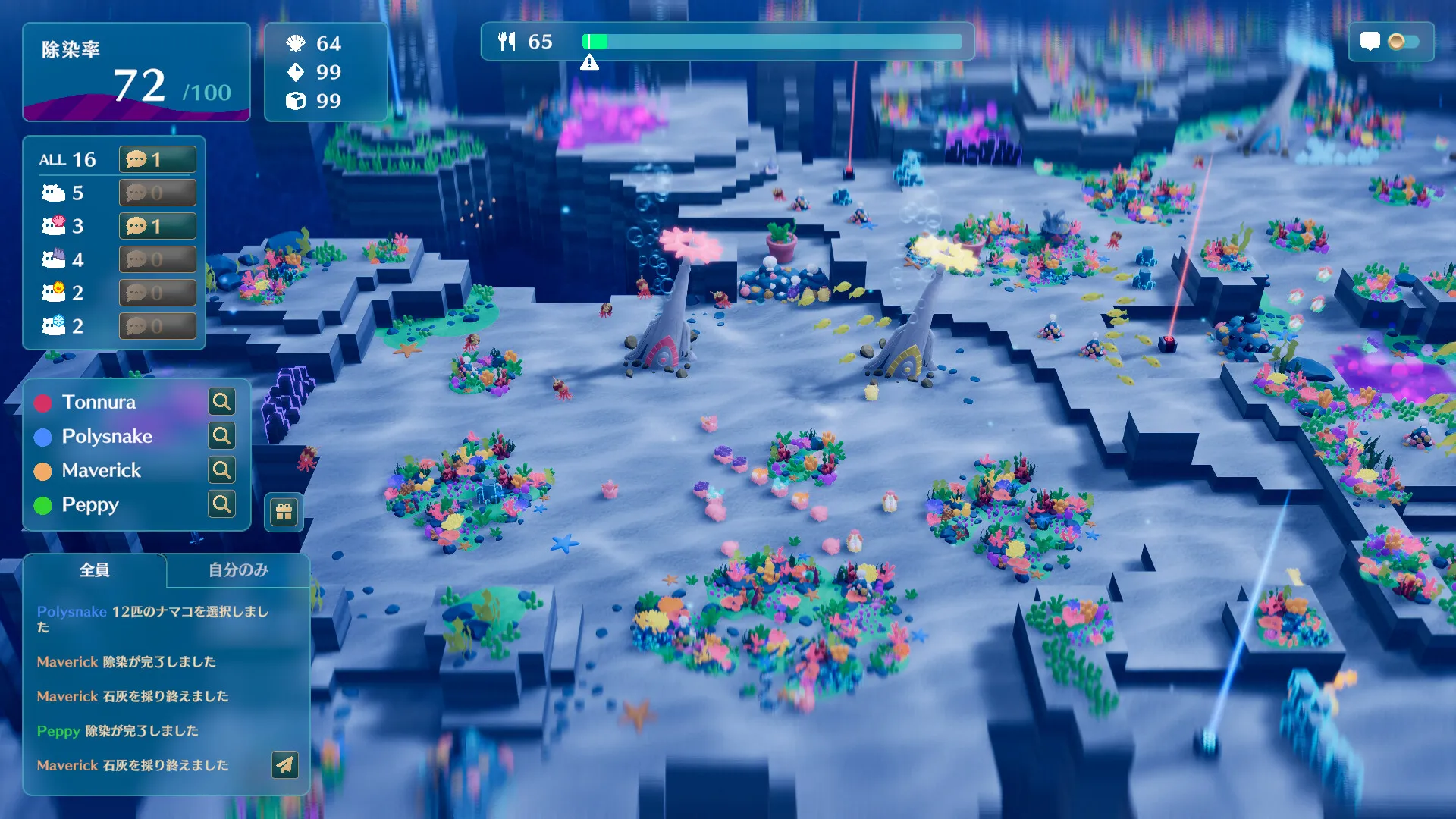
While the game can be tackled solo, the true heart of the experience lies in its cooperative multiplayer. NAMAKORIUM supports up to four players, allowing for a division of labor that is essential for the more difficult late-game sectors. In a typical co-op RTS session, one player might focus on resource extraction, while another manages the drone fleet, and the others handle defense and long-term infrastructure. It is a symphony of sub-aquatic management that rewards clear communication.
The synergy between players is what makes cleaning oceans feel like a heroic feat rather than a chore. When four people are perfectly synchronized, the mechanical dance of clearing debris and deploying sensors becomes incredibly satisfying. The game encourages players to specialize, creating a meta where certain team compositions are better suited for specific oceanic trenches. This depth ensures that no two missions feel exactly the same, especially when the environmental hazards begin to escalate.
NAMAKORIUM Challenges Traditional Strategy Norms

The strategy genre has long been dominated by themes of war and colonization. NAMAKORIUM stands out by suggesting that the most intense battles we face might be against our own ecological footprint. By framing the cleanup effort through the lens of a high-speed strategy title, the developers have managed to make environmentalism feel as urgent as a frontline skirmish. It is a refreshing take that proves the RTS framework is flexible enough to handle non-violent objectives without losing the tension that fans crave.
As we approach the May 19 release date, the anticipation within the niche community is palpable. The game has already carved out a space for itself by offering a unique aesthetic and a core gameplay loop that feels distinct from its peers. Whether you are a veteran of the genre or a newcomer looking for a cooperative challenge, the depths of this title offer plenty of reasons to dive in. The ocean is waiting, and it isn't going to clean itself.
Frequently Asked Questions
When is the NAMAKORIUM release date?
The game is scheduled to leave early access and launch its full version on May 19.
What platforms is NAMAKORIUM available on?
NAMAKORIUM is currently available for PC players via the Steam platform.
Does the game support multiplayer?
Yes, the game features a cooperative mode that supports up to four players working together.
NAMAKORIUM is poised to become a standout title for fans of cooperative strategy who are looking for something beyond traditional combat. Its successful transition from development to a full launch will likely encourage other indie studios to explore environmental themes within complex genres. Expect the game to build a dedicated following on Steam as players master the intricate logistics of deep-sea restoration.
Confirmed details first, useful context second. This is the quickest path to the source trail and the next pages worth opening.
Source date: May 8, 2026