The 10 Most Powerful Common Cards in MTG History Revealed

How often have you dismissed a common card simply because of its rarity? In the deep history of Magic: The Gathering, the most game-changing, format-defining cards often come from the lowest tier. These aren't the mythic, foil-heavy staples; they are the deceptively simple bricks that reshape entire meta-games.
What this means for players: Understanding the true power of the most powerful common cards in MTG history is key to mastering competitive formats and building decks that feel fresh and surprising.
We are taking a deep, retrospective dive into the history of Magic: The Gathering to unearth the cards that, despite their common status, fundamentally altered how the game is played, providing incredible longevity and replayability.
Unearthing MTG's Powerhouses
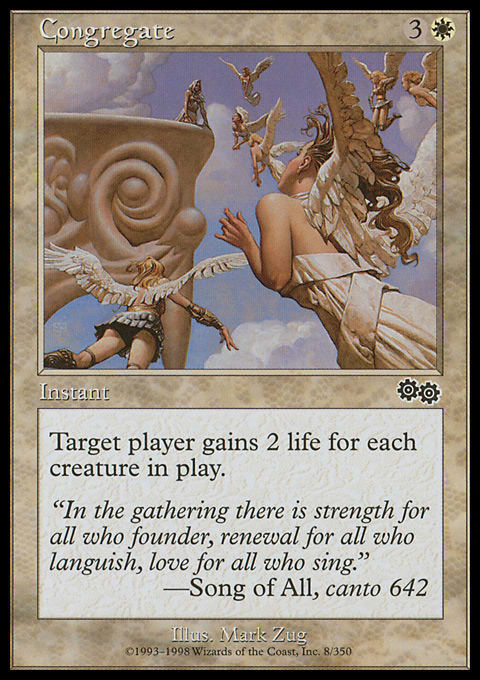
When we talk about power in Magic, most people immediately think of six-mana bombs or complex, multi-colored permanents. But the true genius of MTG lies in its foundational common cards—the staples that are cheap to print, easy to acquire, and immensely impactful.
This retrospective look at the most powerful common cards in MTG history isn't just about listing names; it’s about analyzing impact. These cards often provide the perfect balance of low cost and high utility, making them the bedrock of countless successful strategies across different formats.
The Definition of Format Control
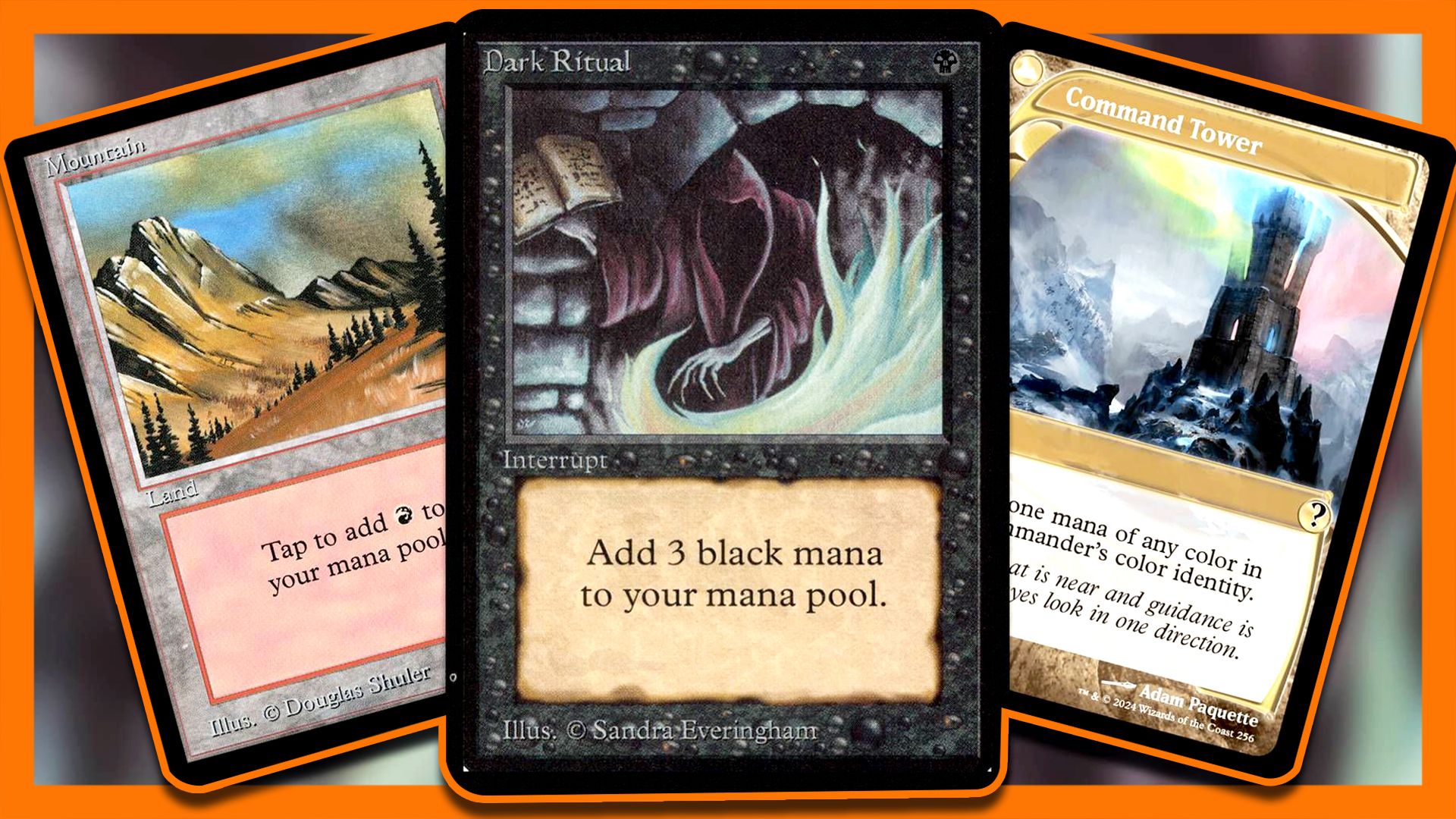
Some cards are so universally powerful that their existence dictates the entire structure of a format. They become the gold standard, forcing every competing deck to find a way around them. These are the engines of consistency, the cards that ensure a deck performs reliably, regardless of the meta.
Consider the sheer historical impact of cards like Maze of Ith powerful common card effect. Its ability to remove a threat from the board while simultaneously protecting the caster's life total is bafflingly robust for a common card. It fundamentally changes the risk/reward calculation of combat, forcing opponents to rethink their aggressive plays.
The Power of Universal Utility
Beyond board control, utility is another major source of power. We must discuss the history and reintroduction of cards like Counterspell. While its modern versions are highly regarded, its enduring status as a common-card staple proves that cheap, reliable interaction is often the most devastating tool in the game.
These are the MTG common cards defining formats. They are not limited by color pie restrictions or complex resource management; they simply exist to solve a problem, making them invaluable in competitive play.
Pauper and Common Card Strategy
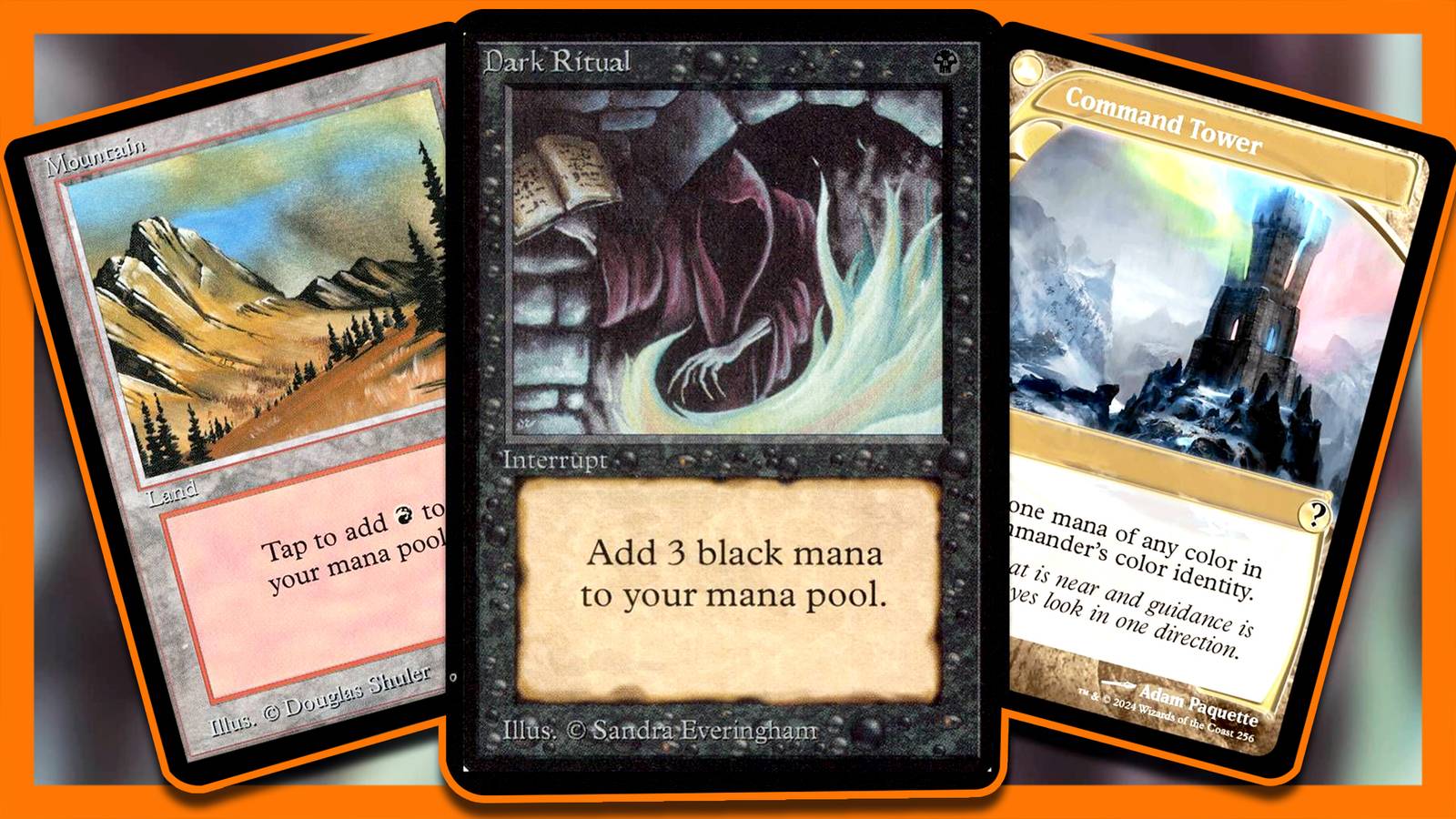
The concept of "Pauper" is the ultimate test of a card's raw power. Pauper formats, which restrict cards to common and uncommon rarities, strip away the expensive, high-power cards, leaving only the foundational staples. This is where the true masters of the game shine, utilizing cards that have been overlooked for decades.
The current resurgence of interest in best pauper decks Magic The Gathering continues to highlight the incredible depth of the card pool. It forces players to rely on the sheer tactical brilliance of common cards, confirming that their power level often far exceeds their printing rarity.
Mastering the Common Card Staples
What makes these cards so sticky in the competitive landscape? It’s the combination of low mana cost and high efficiency. They are the perfect definition of "value." They don't require perfect board states or massive amounts of mana to activate; they just need to exist to solve a problem.
When examining the most powerful common cards in MTG history what it means for modern play, the answer is consistency. These cards provide the consistency that high-rarity, niche cards often lack. They are the reliable backbone of a truly competitive decklist.
The historical impact of these common staples cannot be overstated. They represent the foundational pillars of the game, ensuring that even the most basic card can still feel monumentally impactful if used correctly.
The enduring appeal of these common staples means that the meta is always susceptible to a creative, budget-friendly approach. It rewards deep knowledge of the game’s mechanics and a willingness to use the tools that others dismiss as too simple.
Future Card Impact and Longevity
Looking ahead, the continued focus on common card synergy suggests that the most powerful competitive decks will continue to be those built on historical staples. The value of deep knowledge over raw power is a constant truth in MTG.
We expect to see further refinement of classic, underutilized common card combos, particularly in budget-friendly formats like Pauper. The ability of these common cards to sustain multiple competitive formats ensures their continued relevance for years to come.
As the community continues to rediscover the strategic depth of these low-rarity cards, the meta will become even more unpredictable and tactically rich.
Frequently Asked Questions
Which MTG format uses the most common cards?
The Pauper format is specifically designed around common and uncommon cards. This format maximizes the utility of these staples, proving their competitive viability.
Are common cards ever as powerful as rare cards?
Yes, absolutely. Cards like Maze of Ith demonstrate that low-rarity cards can have massive, format-defining impacts by providing unique utility or board control.
How do I find the best common card combos?
Start by studying the historical impact of staples like Counterspell. Focus on cards that interact with multiple game states, as these often lead to the most robust and powerful combos.
Confirmed details first, useful context second. This is the quickest path to the source trail and the next pages worth opening.
Source date: May 17, 2026