The frames-per-second race has finally hit a wall of cold, hard reality. While NVIDIA and AMD continue to push the boundaries of path-traced perfection and AI-driven upscaling, a significant portion of the global player base remains trapped in a cycle of diminishing returns on aging hardware. Enter Mongo TV, a creator whose latest "Slow Game Marathon" has transformed the frustration of technical limitations into a viral digital performance piece that is shaking the foundations of the enthusiast community.
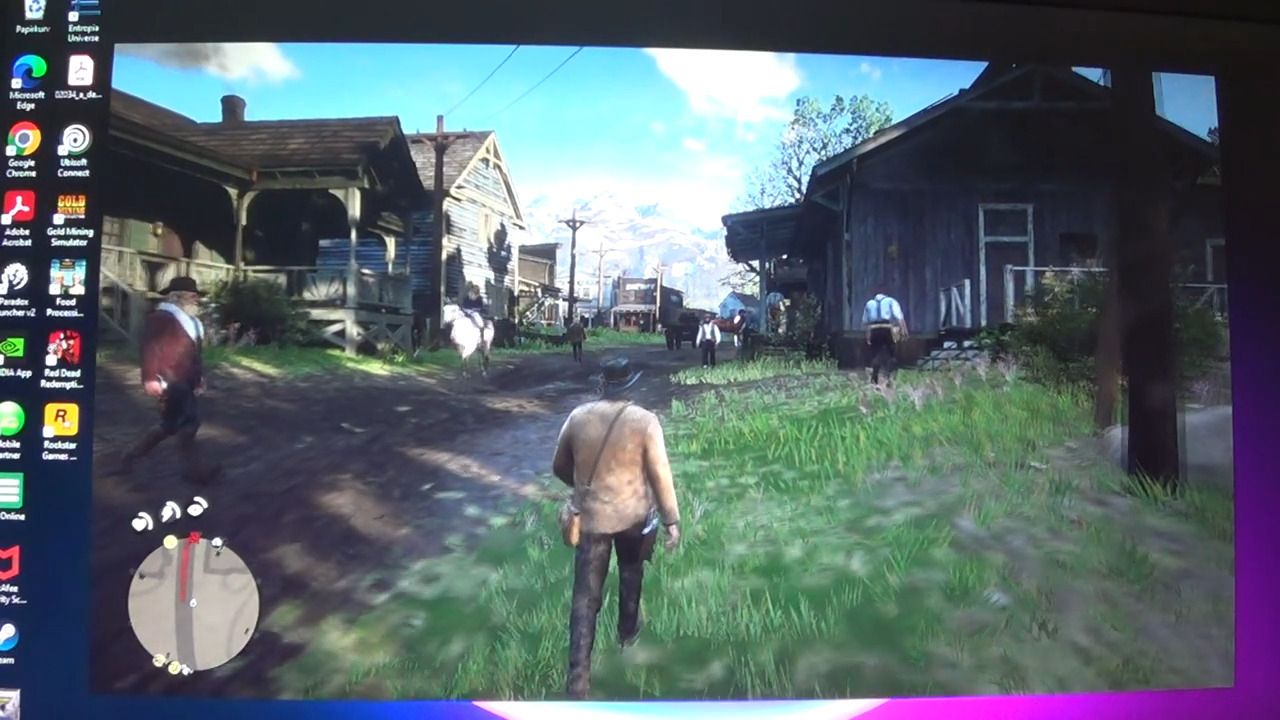
Why this matters: The friction between ballooning software demands and stagnant hardware accessibility is creating a digital class divide, forcing players to choose between expensive upgrades or the grueling, low-frame-rate endurance tests showcased by Mongo TV.
The Brutal Efficiency of Mongo TV Projects
The premise of the Mongo TV marathon is simple yet agonizing: completing high-fidelity, modern titles on hardware that was obsolete before the pandemic began. It is a spectacle of stuttering textures and input lag that would drive the average Twitch viewer to madness. Yet, thousands are tuning in. This isn't just about entertainment; it is a mirrors-up moment for an industry that often forgets that not everyone owns a 40-series GPU. Mongo TV is effectively weaponizing patience, proving that a game can be finished at 15 frames per second if the player is stubborn enough to endure the headache.
This challenge has reignited a fierce debate regarding the "minimum requirements" listed on Steam pages. For years, these specs have been treated as suggestions, but as optimization becomes a lost art in the AAA space, the floor is rising. The Mongo TV marathon highlights the sheer willpower required to bridge the gap between a developer's vision and a consumer's reality. It is a grueling display of digital masochism that asks a difficult question: is the experience still valid if the technology is failing you?
Hardware Stagnation Meets Mongo TV Endurance
Silicon fatigue is real. As Moore’s Law flickers, the cost of staying current has skyrocketed, leaving a vacuum where the mid-range market used to thrive. Mongo TV has stepped into this vacuum, documenting the specific psychological toll of playing games that the system is actively trying to reject. This isn't about the "retro" charm of pixels; it is about the jagged, unoptimized mess of a modern title struggling to breathe on a quad-core processor. The marathon serves as a live-streamed case study in the limits of human focus versus the limits of thermal throttling.
The technical constraints are not just obstacles; they are the primary antagonists of the series. When Mongo TV encounters a boss fight that drops the frame rate into single digits, the gameplay shifts from a test of skill to a test of predictive timing. You aren't playing the game anymore; you are playing the lag. This shift in perspective is what has captured the industry's attention. It forces a conversation about whether developers have a moral obligation to optimize for the "low-spec" hero, or if the Mongo TV experience is simply the inevitable future for those who refuse to pay the "upgrade tax."
Community Disconnect During Mongo TV Streams
The reaction from the gaming public has been a volatile mix of admiration and absolute bewilderment. On one side of the fence, purists argue that Mongo TV is performing a service, exposing the bloated nature of modern code. They see the marathon as a badge of honor for the budget gamer. On the other side, tech enthusiasts view the project as an exercise in futility, questioning why anyone would choose to experience art in its most degraded form. The comment sections are a battlefield of ideologies: patience versus performance, and dedication versus practicality.
This polarization reflects a wider industry shift. We are seeing a move away from "it just works" toward a "make it work" mentality. The Mongo TV community has formed a strange sort of solidarity around these technical hurdles. They share tips on registry hacks and community patches that can squeeze an extra three frames out of a dying rig. It is a subculture built on the back of scarcity, and it stands in direct opposition to the hyper-consumerist "buy the new card" narrative pushed by major manufacturers. The marathon has become a rallying cry for those who feel left behind by the current hardware generation.
The Psychology of the Low-Spec Gamer
There is a specific kind of zen required to participate in the Mongo TV ecosystem. You have to accept that the screen will tear. You have to accept that the audio will desync. Once you move past the initial irritation, the game becomes something else entirely—a rhythmic challenge of navigating technical failure. This patience is a rare commodity in an era of instant gratification and 144Hz monitors. By slowing the game down to its most basic, broken elements, Mongo TV is ironically forcing players to pay more attention to the mechanics than they ever would on a high-end rig.
Cloud gaming will eventually bridge the gap for players currently mimicking the Mongo TV struggle on local hardware. Developers will face increasing pressure to optimize for low-end specs as the global silicon market remains volatile. The culture of "making it work" will shift from a badge of honor to a necessary survival tactic for the mid-range gaming market.
Frequently Asked Questions
Is upgrading to a new GPU necessary for 2024 titles?
Most modern AAA games now target SSD speeds and high VRAM counts, making older hardware increasingly obsolete for stable performance. While playable on low settings, the experience often mirrors the "slow" struggle seen in recent viral challenges.
How does Mongo TV influence game developers?
Creators like Mongo TV highlight the lack of optimization in modern releases, often pressuring studios to address performance issues for lower-end users. This visibility can lead to post-launch patches that improve accessibility for the broader community.
What are the best tactics for playing games on outdated hardware?
Players should utilize community-made optimization mods and aggressive upscaling tools like FSR or XeSS to maintain playable frame rates. Lowering resolution scale is often the most effective way to gain performance on legacy systems.
Tags : #MongoTV #SlowGameMarathon #GamingPatience #TechChallenges #StreamingInnovation
Confirmed details first, useful context second. This is the quickest path to the source trail and the next pages worth opening.
Source date: April 10, 2026