Mixtape's Critics and Controversy: Can it Win Game of the Year?
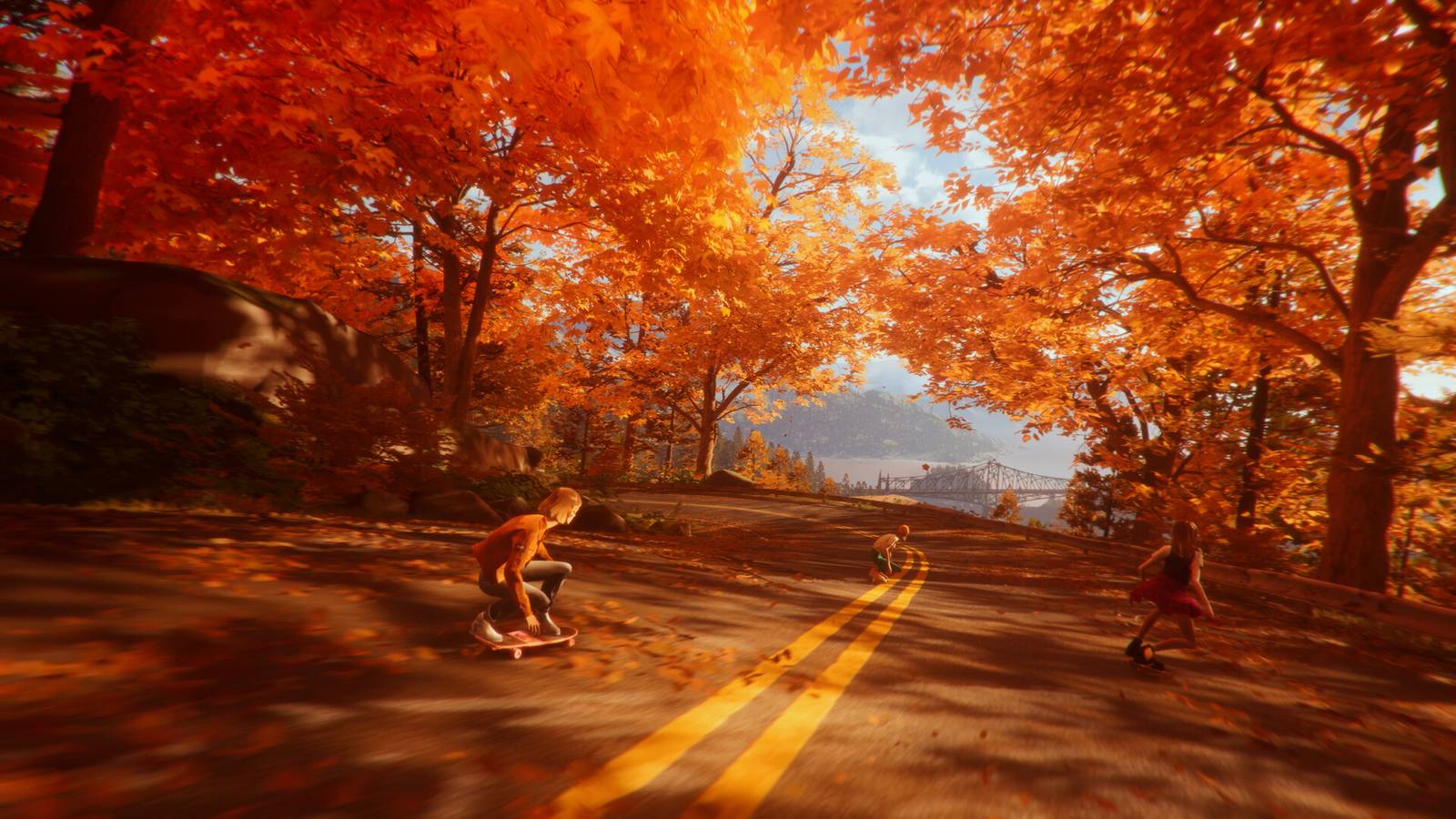
Is a perfect 10/10 review enough to secure a Game of the Year nomination? Not when the community is already questioning the fundamental artistic merit of the title. The conversation surrounding *Mixtape* is less about its polish and more about its soul, pitting high praise from major outlets against deep-seated accusations of inauthenticity.
What this means for players: The debate over *Mixtape*'s artistic value isn't just academic; it directly impacts how the industry perceives the boundaries of "indie success" and the criteria for major awards. The persistent questions surrounding the Mixtape Beethoven Dinosaur nomination chances prove that even critical acclaim can't silence a skeptical audience.
Embed: Featured Image URL (Mixtape Gameplay)
The Critical Buzz vs. Core Critique
The reception to *Mixtape* is a study in extremes. On one side, the accolades are staggering; major publications have awarded the game perfect scores, praising its technical polish and ambition. On the other, the critique is sharp, leveling accusations that the game is fundamentally lacking in depth.
Critics have repeatedly argued that the title is 'inauthentic.' This isn't simply a matter of personal taste; it centers on structural criticisms. Many argue that the gameplay mechanics, while visually stunning, rely too heavily on limited fail states or simple controller inputs, making the experience feel less like a deep system and more like a curated presentation. The concern boils down to whether the game is truly a robust *game* or merely a highly polished, nostalgic spectacle.
The core of the debate revolves around the Mixtape game authenticity accusations. Detractors suggest the game is a "poser," perhaps because it misrepresents historical or cultural details, or because its characters are overly saccharine or grating. This split reception creates a unique industry tension: is the game a masterpiece of digital curation, or a hollow shell built on nostalgia?
Online Discourse and GOTY Prospects
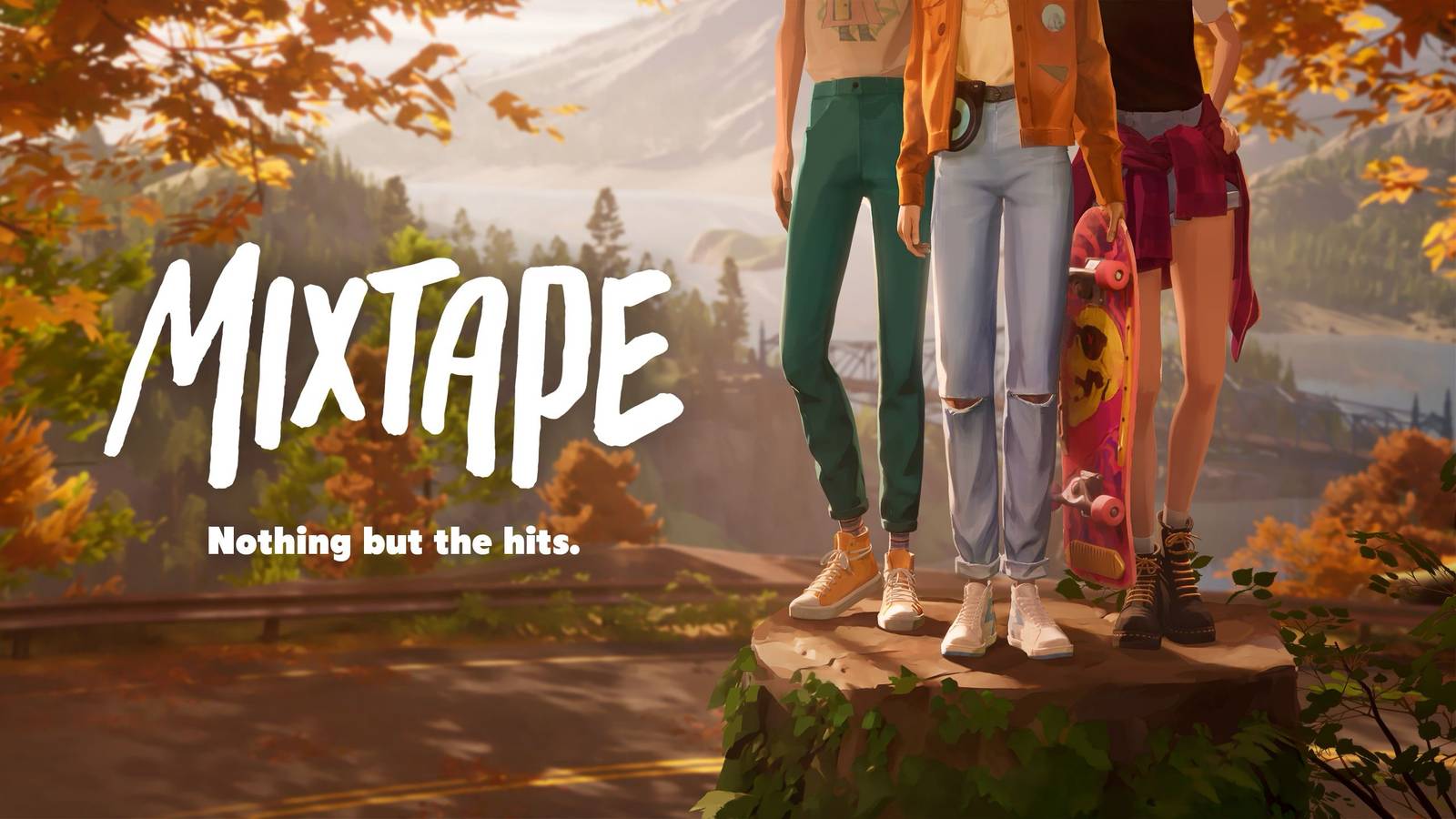
When critical praise meets intense community skepticism, the online discourse can quickly become toxic. The current conversation surrounding *Mixtape* has been described as "poisoned by trolls, bizarre conspiracy theories, and bad-faith arguments." This hostile environment presents a genuine hurdle for the title's chances of achieving industry recognition.
Winning Game of the Year (GOTY) requires more than just critical consensus; it demands cultural momentum and broad appeal. The negative online discourse, while often fueled by bad actors, contributes to a narrative of instability. When the conversation shifts from artistic critique to mere online drama, it distracts from the core discussion of the Mixtape GOTY nomination prospects.
Embed: YouTube Video URL (Mixtape Trailer/Analysis)
Annapurna Interactive and Indie Ambition

The spotlight on *Mixtape* also illuminates the complex landscape of modern indie development, particularly for titles from Annapurna Interactive. The fundamental question remains: can a game with such high production value overcome accusations of being a "well-financed corporate product masquerading as an indie game"?
This struggle for artistic legitimacy is key to understanding the Mixtape story and performance focus. The game excels at presenting a cohesive, emotionally resonant narrative, but the performance and execution are constantly weighed against the backdrop of its commercial polish. The debate forces the industry to confront its own definitions: where does genuine artistic merit end, and where does highly effective, marketable design begin?
The fact that major outlets are praising the title while the community is questioning its substance underscores a vital shift in the industry. Success is no longer defined by pure critical scores; it requires maintaining narrative integrity while navigating intense public scrutiny. The Mixtape game critique and reception thus becomes a barometer for the entire indie sector.
The Road to Recognition
Despite the mounting controversies and the intense noise of online speculation, the sheer polish and scope of *Mixtape* are undeniable. Annapurna Interactive has delivered a title that demands attention, regardless of whether critics label it "inauthentic." The game has successfully captured the imagination of players who appreciate highly stylized, narrative-driven experiences.
For the title to cement its place in gaming history and elevate its Mixtape Beethoven Dinosaur nomination chances, it must not only maintain its high level of critical praise but also find a way to convert its detractors. This requires the game's artistic vision to speak louder than the online noise.
Looking ahead, the title’s success will depend on whether its developers can successfully guide the conversation away from its commercial aspects and back toward its singular, undeniable emotional performance. We anticipate that any future industry awards will focus heavily on the game's technical achievement, rather than solely its narrative depth. The industry will likely reward its technical polish, even if the debate over its authenticity continues indefinitely.
Frequently Asked Questions
What is the focus of Mixtape's narrative?
The game is centered on a highly stylized, emotionally charged narrative that uses the concept of musical mixtapes to explore themes of memory, nostalgia, and artistic identity.
Are there any planned platform expansions for Mixtape?
While the initial release focused on certain platforms, developers have indicated a commitment to expanding the title's reach to multiple console and PC ecosystems.
How does Mixtape compare to other Annapurna titles?
It shares the studio's commitment to unique, highly stylized experiences, but *Mixtape* presents a more overtly narrative and musically focused challenge compared to some of their more experimental works.
Confirmed details first, useful context second. This is the quickest path to the source trail and the next pages worth opening.
Source date: May 17, 2026