Forget everything you know about the predictable rhythm of tower defense. In Minos, you aren't a nameless commander hovering over a map; you are the beast in the dark, a hulking Minotaur forced to defend a shifting labyrinth against a relentless tide of so-called heroes. This isn't just about placing towers and walking away to grab a coffee. It is a frantic, tactical struggle where your physical presence on the battlefield is just as vital as the spikes and pits you lay in the dirt.
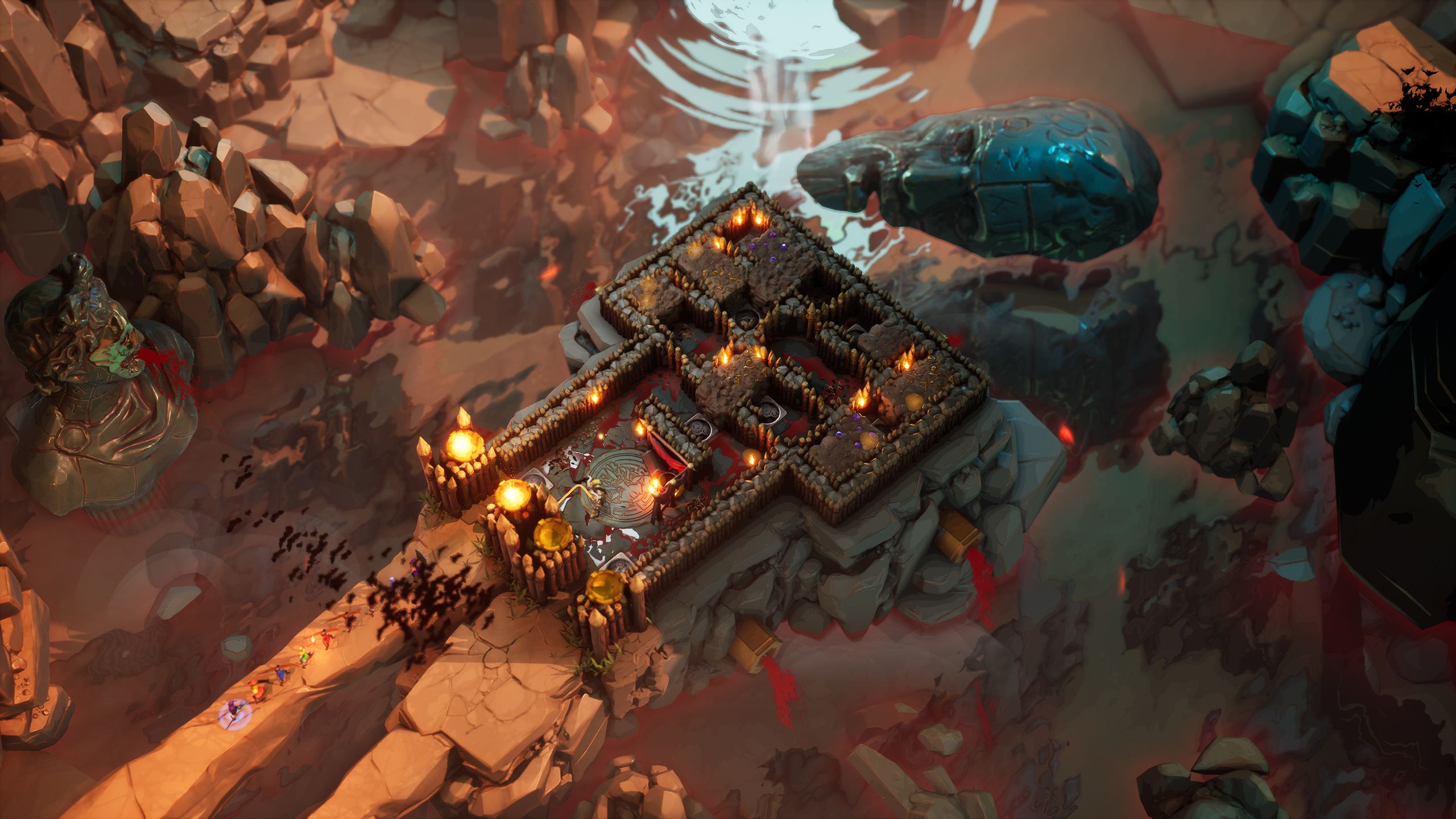
What this means for players: The "sit and wait" era of the genre is officially over, replaced by a high-stakes hybrid that demands both long-term planning and immediate, visceral combat. You are the final line of defense, and the labyrinth is your only ally.
The Minotaur Reclaims The Labyrinthine Throne
The core hook of Minos lies in its dual-layered gameplay. While you spend a significant amount of time constructing elaborate deathtraps, you are also controlling the Minotaur itself. This creates a fascinating tension. You might have a hallway filled with swinging blades, but if a group of "trap disarmer" enemies shows up, those blades won't stay active for long. You have to physically intervene, using the Minotaur’s brute strength to clear out the specialists before they ruin your hard work. It transforms the game from a passive simulation into an active hunt.
The enemy variety keeps the pressure high. Some champions don't just soak up damage; they gain health as they move, turning a slow death crawl into a race against time. If your trap layout isn't optimized to burst these targets down, they will reach your sanctum through sheer attrition. You are constantly forced to evaluate which threats require your personal attention and which can be handled by your mechanical ingenuity. The labyrinth is a living thing, and it expects you to work for your survival.
Energy Management Dictates Every Labyrinth Expansion
Progression in Minos isn't just about surviving waves; it is about reclaiming your home. The labyrinth starts cramped, filled with ancient rubble that limits your tactical options. By spending energy—a precious resource earned through combat—you can clear this debris to reveal new rooms and corridors. This creates a compelling risk-reward loop. Do you spend your energy on upgrading an existing arrow trap, or do you clear a pile of rocks to create a new choke point?
The scale of the game is deceptively massive. Even after 22 hours of gameplay, the depth of the mechanics remains startling. Just when you think you have mastered the layout, the game introduces new environmental variables that force you to rethink your entire approach. Clearing rubble isn't just about making space; it is about architectural warfare. You are building a machine designed to kill, and every new room you open is a new gear in that machine. The sense of discovery persists long after the initial novelty wears off, making every session feel like a step into the unknown.
Experimental Trap Combos Reward Strategic Risks
Minos shines brightest when it stops holding your hand. The game features a complex system of synergies between different trap types, but it never gives you a spreadsheet explaining how they work. You find out that a tar pit placed before a fire trap creates a localized inferno through pure trial and error. This philosophy of experimentation encourages players to fail forward. A failed run isn't a waste of time; it is a lesson in physics and cruelty. You learn which traps complement each other and which ones are a waste of resources against specific enemy archetypes.
This "black box" approach to mechanics creates a genuine sense of mastery. When you finally find a combination that wipes out a wave of champions before they even see the Minotaur, the satisfaction is immense. It requires a level of strategic thinking that most modern roguelikes shy away from. You aren't just looking for "plus five damage" power-ups; you are looking for ways to break the game’s systems using the tools provided. The labyrinth is a puzzle, and the solution is written in the blood of the heroes who try to conquer it.
Minos will likely spark a trend of "active" tower defense titles that move away from static gameplay. Expect the developer to introduce a competitive "endless" mode within the next year to capitalize on the community’s obsession with trap synergies. This title is poised to become a staple for players who demand more agency from their strategy games.
Frequently Asked Questions
What platforms is Minos available on?
Minos is currently available on PC via Steam, with community rumors suggesting a console port may be in development. The game’s interface is heavily optimized for mouse and keyboard precision.
How long does a typical run take?
A successful run in the labyrinth generally lasts between 30 to 45 minutes, depending on how quickly you clear rubble. However, players can spend over 20 hours just exploring the various trap combinations and synergies.
Is Minos difficult for beginners?
The game has a steep learning curve due to its trial-and-error nature and complex enemy types. New players should expect to fail frequently in the first few hours as they learn which traps work best together.
Tags : #MinosGame #RoguelikeAdventure #DeepEngagement #IndieGaming #ExperienceQuest
Confirmed details first, useful context second. This is the quickest path to the source trail and the next pages worth opening.
Source date: April 14, 2026