Your Discord notification pings for the fifth time tonight. Another friend has just purchased a game that looks like it was developed on a graphing calculator, costs less than a fast-food meal, and is currently sitting at the top of the Steam charts. This isn't a fluke; it is the new blueprint for industry dominance.
Why this matters: The traditional AAA model of seven-year development cycles is being disrupted by "friendslop gaming," a category of high-chaos, low-cost titles that prioritize immediate social hilarity over graphical perfection. When a game like Gamble With Your Friends moves a million units in seven days, the entire industry stops to take notes on what "value" actually looks like in 2025.
Gamble With Your Friends Hits Million Mark
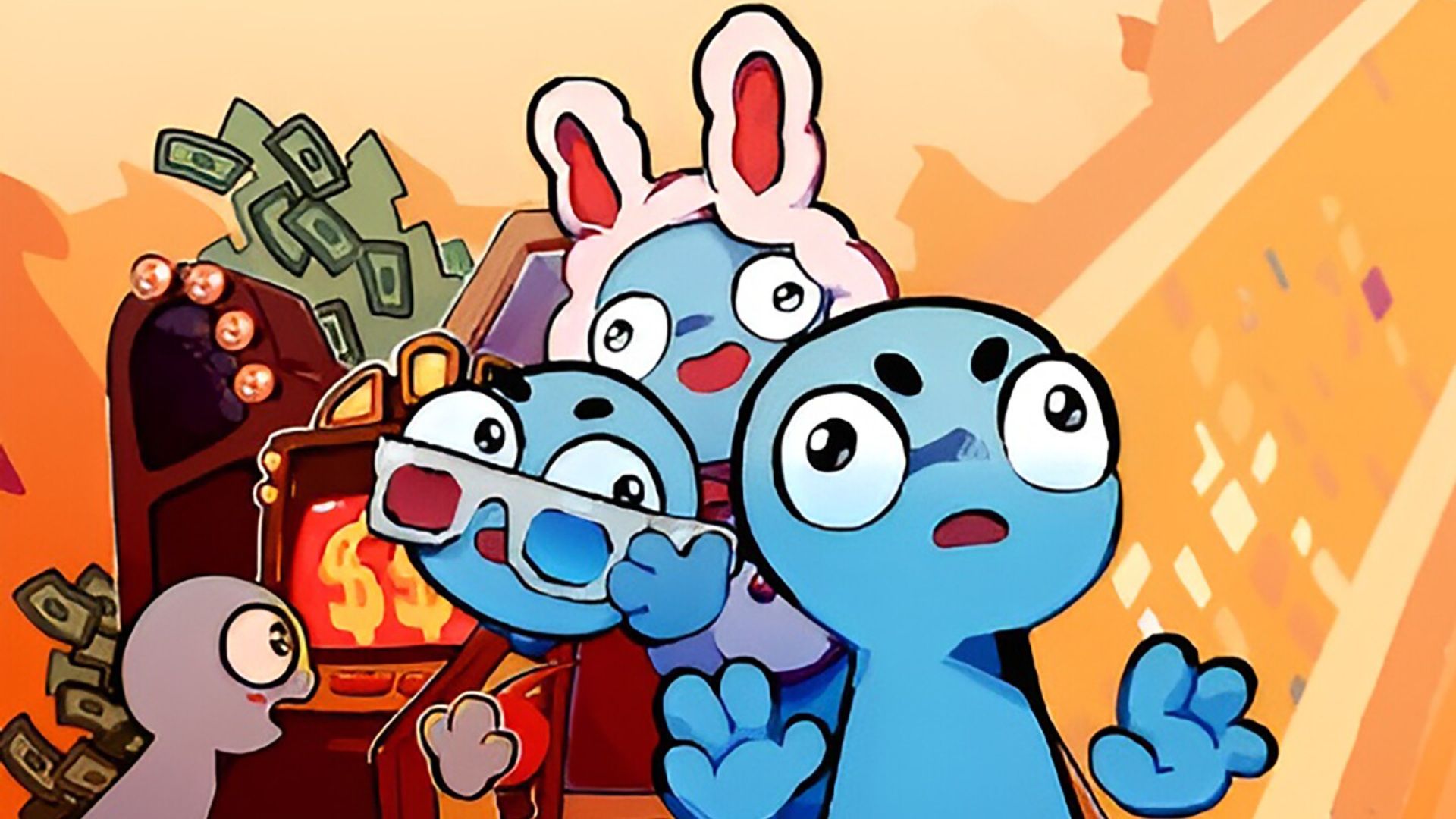
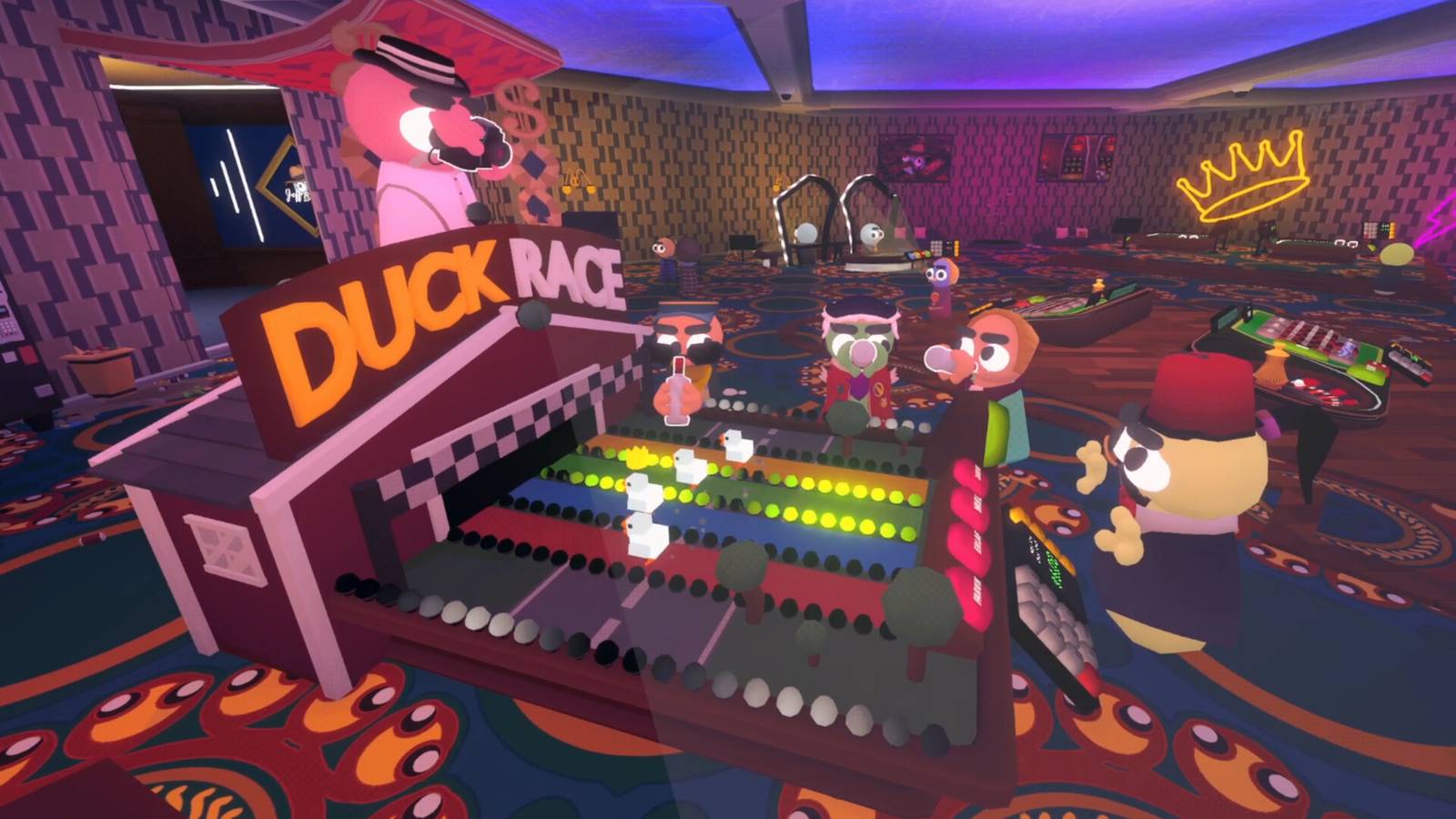
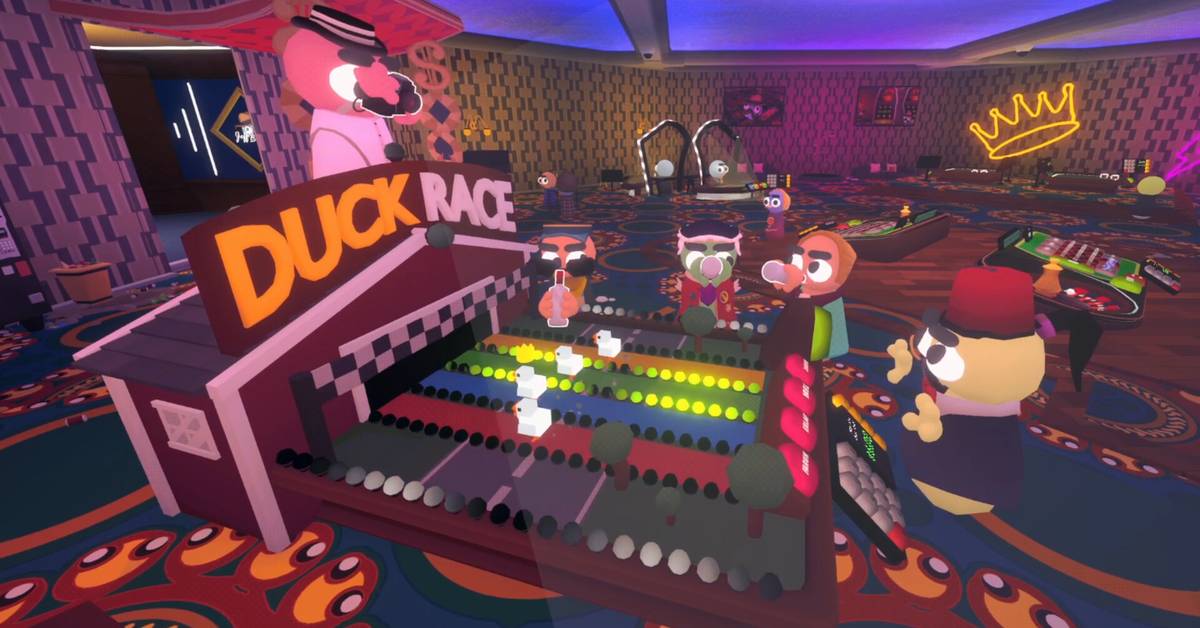
The headline figure is staggering: one million copies sold within a single week. For an indie title titled Gamble With Your Friends, this milestone represents more than just profit; it represents a cultural shift. Priced at a modest eight dollars, the game has bypassed the traditional marketing machine, relying instead on the friction-less "buy it for me" culture of modern friend groups. At this price point, the friction of entry is almost non-existent, allowing entire social circles to jump into the fray without a second thought.
This success isn't happening in a vacuum. We are witnessing The Surge of Social Gaming where the "game" itself is often just a backdrop for the conversation happening over voice chat. Gamble With Your Friends leverages this by providing high-stakes, physics-based comedy that is inherently "clip-able" for social media. The low cost of entry combined with the high potential for viral moments has created a perfect storm, proving that players are increasingly willing to trade polished textures for a guaranteed laugh with their peers.
Peak And REPO Lead Friendslop Trend
The term "friendslop" might sound derogatory, but in the current gaming landscape, it is a badge of honor. It refers to games that may appear unpolished or "sloppy" at first glance but are meticulously tuned for social interaction. This friendslop gaming movement has been spearheaded by titles like Peak and REPO, both of which gained massive traction throughout 2025. These games share a common DNA: they are easy to stream, hilarious to fail at, and incredibly cheap to own.
Following in the footsteps of previous hits like Lethal Company, these newer titles understand that the "best build" for a modern hit isn't a high-end PC rig, but a group of four friends willing to yell at each other for two hours. The aesthetic is often intentionally lo-fi, which serves two purposes. First, it allows the games to run on almost any hardware, expanding the potential player base. Second, it creates a "vibe" that feels authentic and unpretentious, a sharp contrast to the overly managed corporate feel of many big-budget live-service titles.
Nick Kaman Defends Eight Dollar Pricing
One of the most discussed aspects of this gaming trend is the pricing strategy. Nick Kaman, the creator behind the hit title Peak, has been vocal about the economic philosophy driving these releases. Kaman famously argued that an eight-dollar price point is effectively the new five-dollar expenditure. In an era of rising inflation and seventy-dollar standard editions for AAA games, an eight-dollar purchase feels like a disposable luxury rather than a calculated investment.
This pricing creates a unique psychological effect. When a game is this affordable, players are less likely to be critical of minor bugs or limited content. Instead, they focus on the immediate fun. The question of whether a game is worth it changes entirely when the cost is less than a single cocktail at a bar. For developers like Kaman, the goal is to lower the barrier to the point where "no" isn't even an option for the average consumer, fueling the rapid viral spread that has defined the 2025 release calendar.
Gamer s Guide To Social Value

Navigating this new era requires a different kind of Gamer s Guide. It’s no longer about finding the most hours of content per dollar, but the most "memories" per dollar. The value proposition of friendslop gaming is found in the shared experience. When a group plays REPO or Gamble With Your Friends, they aren't looking for a deep narrative or complex mechanics; they are looking for a platform that facilitates chaos. This shift in player priority is forcing even the largest publishers to reconsider their social features.
As we look at the trajectory of these titles, it is clear that the community reaction is overwhelmingly positive. Players are exhausted by the "fear of missing out" (FOMO) and the aggressive monetization found in larger titles. The simplicity of a one-time, low-cost purchase is refreshing. This movement isn't just about cheap games; it's about a return to the core of why people play together: to have a good time without the pressure of battle passes or daily login requirements.
Frequently Asked Questions
What exactly is the friendslop gaming trend?
It refers to low-cost, often lo-fi indie games designed specifically for high-chaos social interaction and viral "meme" potential among friend groups.
Is Gamble With Your Friends worth it for solo players?
While the $8 price is low, the game is built entirely around social betting and physics-based humor, making it much better suited for groups than solo play.
Why is the eight-dollar price point so common in 2025?
Developers use this pricing to lower the barrier for impulse purchases, making it easy for entire Discord groups to buy into a game simultaneously.
The "eight-dollar wonder" will become the dominant indie release strategy for the next eighteen months as developers prioritize social reach over per-unit profit. We will likely see a saturation point where the market becomes crowded with low-quality clones, leading to a "flight to quality" within the friendslop sub-genre itself. By the end of 2025, the most successful studios will be those that can blend this cheap, social accessibility with deep, emergent gameplay loops that keep the Discord calls going long after the initial novelty wears off.
Confirmed details first, useful context second. This is the quickest path to the source trail and the next pages worth opening.
Source date: May 10, 2026