The Brutal Crimson Desert Difficulty Curve
Crimson Desert is not merely another open-world odyssey; it is a mechanical gauntlet that demands precision, patience, and a deep understanding of its internal logic. As players navigate the sprawling continent of Pywel, they eventually encounter the "Seed of Unease" quest, a narrative thread that serves as a gateway to the game’s more punishing late-game content. The quest culminates in a confrontation with the Reed Devil, a boss that has already become a point of contention and triumph within the player community. This encounter is designed as a hard skill check, forcing players to abandon the button-mashing habits of the early chapters in favor of a more methodical, tactical approach to third-person combat.
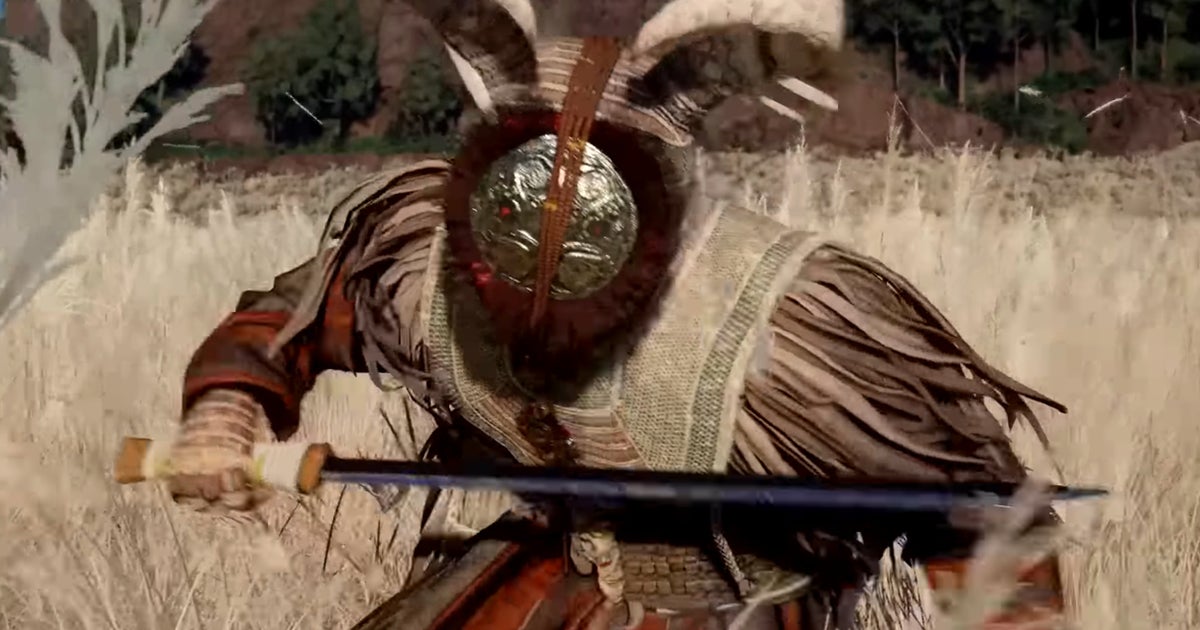

The Reed Devil represents a significant shift in the game's power scaling. Up until this point, the protagonist, Macduff, can often rely on basic combos and environmental hazards to dispatch foes. However, the Reed Devil operates on a different set of rules. It possesses a high health pool, devastating area-of-effect attacks, and a speed that can easily overwhelm an unprepared player. This boss is the definitive end to the game's introductory phase, acting as a sentinel that guards the transition into the more complex systems of Chapter 3. To survive, players must look beyond their reflexes and start considering the mathematical foundations of their character’s power.
Gear Refinement Against the Reed Devil
In the ecosystem of Crimson Desert, gear is not just cosmetic or incremental; it is foundational. Entering the Reed Devil arena with base-level equipment is a recipe for a quick death. Investigative analysis of the boss's damage output reveals that players must upgrade their gear to Refinement level 3 or higher to maintain a viable survivability window. This requirement introduces players to the refinement system's nuances, emphasizing that progression is as much about the forge as it is about the sword. Level 3 refinement provides the necessary damage reduction and attack power to chip away at the boss's massive health bar without being one-shotted by a single misplay.
The refinement process serves as a narrative and mechanical bridge. It forces the player to engage with the world's economy, hunting for materials and managing resources before the big fight. This isn't artificial padding; it is a lesson in preparation. The difference between a level 2 and a level 3 sword might seem negligible on paper, but in the heat of the Reed Devil encounter, it translates to fewer combat cycles and a shorter window for the player to make a fatal mistake. Efficiency is the name of the game here. The game rewards those who take the time to visit the blacksmith, reinforcing the idea that Macduff is a mercenary who survives by his wits and his steel.
Tactical Preparation in Reedwind Valley
The environment surrounding the Reed Devil is as dangerous as the boss itself. The path leading into Reedwind Valley is littered with totems that serve a dual purpose: environmental storytelling and mechanical hindrance. Smart players recognize that destroying these totems before triggering the boss encounter is a non-negotiable step. These structures act as beacons for minions, and fighting the Reed Devil while being swarmed by lesser enemies is a Herculean task that most will fail. Clearing the valley creates a sterile environment for the duel, allowing for a focused one-on-one engagement that respects the player's agency.
Beyond totem destruction, the use of the Grindstone is a critical strategic layer that many novices overlook. Using a Grindstone before the battle provides a temporary but significant reinforcement to weapons, boosting damage output for a limited duration. This buff is often the deciding factor in pushing through the boss's final, more aggressive stages. It highlights Pearl Abyss’s design philosophy: victory is earned in the minutes before the sword is drawn. By combining gear refinement, environmental clearing, and temporary buffs, the player stacks the deck in their favor, transforming an impossible wall into a manageable challenge.
Executing the Reed Devil Phase Strategy
The actual fight with the Reed Devil is a three-act play, with each phase demanding a shift in the player's mental model. In the first phase, the boss is a whirlwind of kinetic energy. The primary objective here is survival through defensive play. Blocking is not just a suggestion; it is a requirement. Players who attempt to dodge every attack will quickly find their stamina depleted, leaving them vulnerable to the Devil's high-damage follow-ups. Conserving energy during this initial onslaught is vital for the trials that follow. It is a game of patience, waiting for the brief windows of recovery after the boss completes a heavy animation.
Transitioning into phase two, the Reed Devil introduces more complex environmental hazards, frequently spawning totems that pulse with energy. This is where the momentum of the fight is either maintained or lost. Players must pivot their focus from the boss to these structures immediately. Breaking the totems prevents the boss from gaining buffs or summoning reinforcements, keeping the fight within the player's control. This phase tests the player's situational awareness, forcing them to juggle target acquisition while keeping an eye on the boss's positioning. It is a frantic, high-stakes dance that rewards quick decision-making and precise movement.
The final phase is a test of raw aggression and refined mechanics. As the Reed Devil’s health dwindles, its attack patterns become more erratic and its damage increases. This is the moment to utilize every buff and refinement level previously acquired. There is no room for hesitation. The player must capitalize on every opening, using their most powerful abilities to end the fight before the boss can land a final, desperate blow. Success in this finale is the ultimate validation of the player's preparation, proving that they have mastered the systems of Crimson Desert and are ready for the even greater threats that lie ahead in the unfolding narrative.
Pearl Abyss will likely continue to use these high-intensity boss encounters to gatekeep significant story beats, ensuring that only players who master the gear systems can progress. Future updates may introduce even more complex environmental interactions, requiring players to manipulate the terrain during combat rather than just clearing it beforehand. As the meta evolves, expect the community to find even more efficient ways to exploit the Reed Devil's phase transitions using specific elemental gear combinations.
Tags : #MasteringReedDevil #CrimsonDesert #GamingNews #ProfessionalGamer #StrategyGuide
Confirmed details first, useful context second. This is the quickest path to the source trail and the next pages worth opening.