The fan club domain for a beloved franchise has expired, and the resulting auction has sent shockwaves through the IP management world. Before the dust settles on the massive bids, fans and industry experts are grappling with a critical question: Who controls the digital front door to the community?
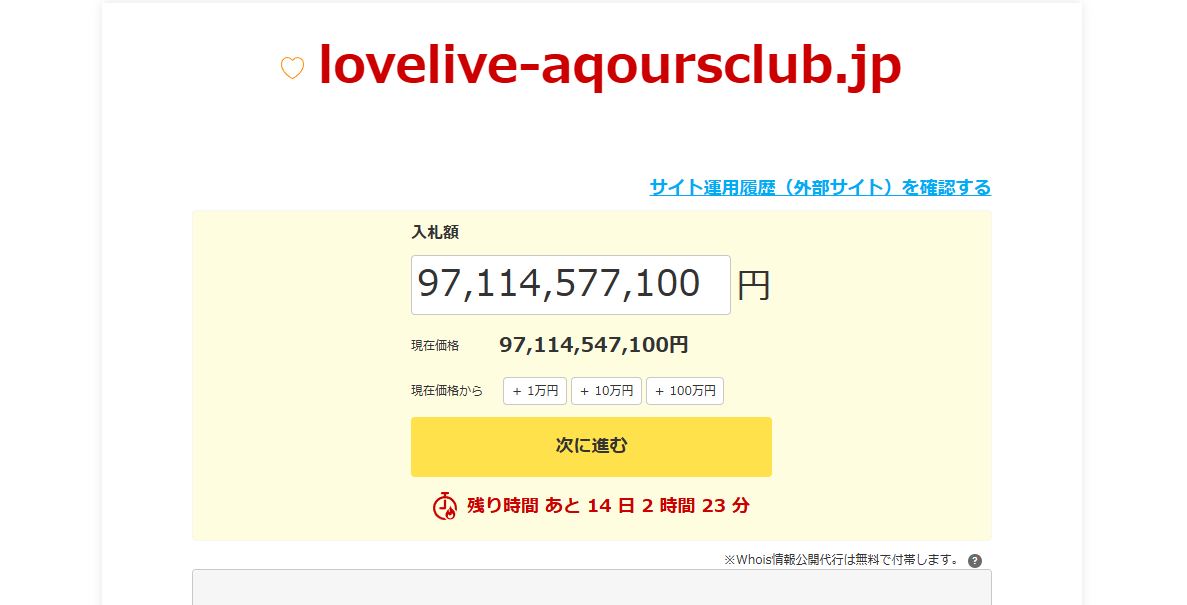
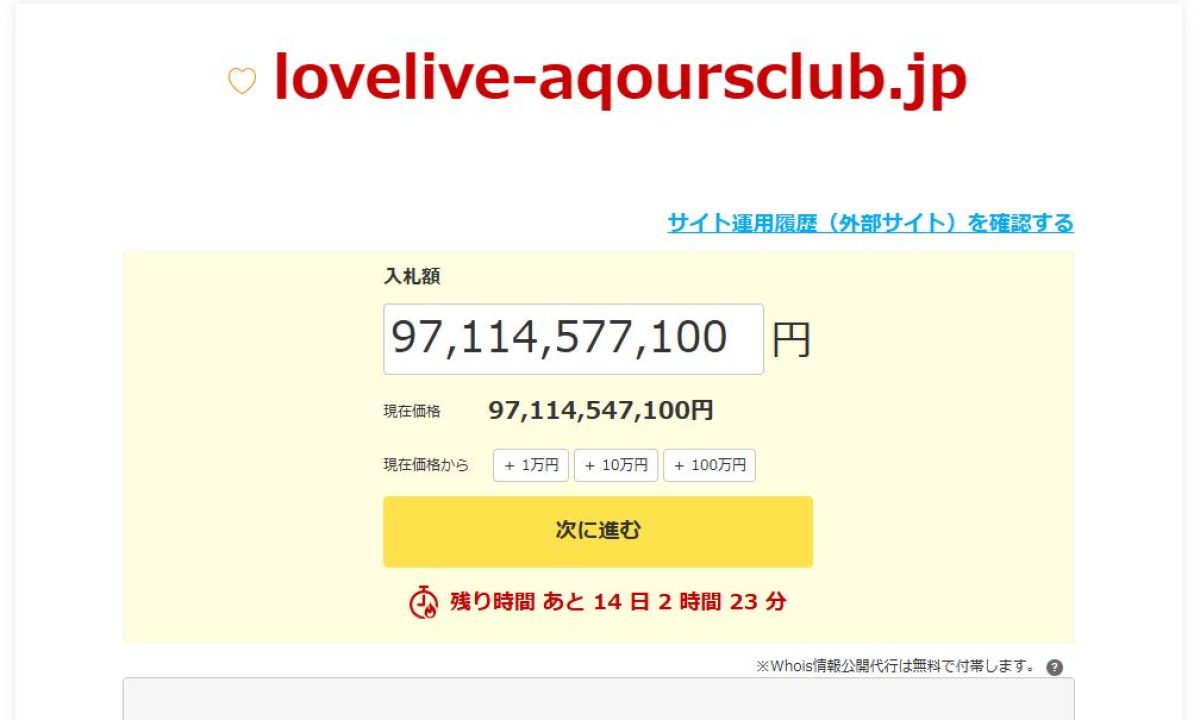
With the top bid for the Love Live Aqours fan club domain auction reaching a staggering 97.14 billion yen, the financial stakes are astronomical. What this means for fans is that the physical domain name—the cornerstone of the online community—is suddenly a commodity, raising alarms about digital security and the future of the franchise's online presence.
Auction Sparks Alarm Over Fan Club Security

The news is deeply unsettling. The official fan club domain, lovelive-aqoursclub.jp, has been shuttered and placed into an auction status, signaling a major shift in how intellectual property (IP) is managed. The domain was initially taken offline in June 2025, only to transition to auction status on May 1, 2026.
The financial scale of the auction itself—the reported 97.14 billion yen, or $615 million—is staggering. While the money itself is a headline-grabber, the underlying concern isn't the cash; it's the vulnerability. The sale highlights a critical moment in digital ownership, where a simple web address becomes a highly volatile asset.
Phishing Risk Love Live Domain Details
The immediate danger, according to Japanese news outlet ITmedia, is not just the sale itself, but the potential fallout. The warning is clear: if this domain falls into the hands of a third party with questionable intentions, the risk of phishing sites mimicking the official fan club is significant.
This isn't just a theoretical threat. Phishing attacks are designed to look indistinguishable from legitimate sites, tricking users into handing over personal data or login credentials. For a highly engaged community like the Love Live! fandom, the potential for identity theft and misinformation is immense. The security concerns surrounding the Love Live domain ownership status must be taken extremely seriously.
The rapid transition from an official operational domain to a public auction creates a perfect storm of vulnerability. It forces fans and IP custodians alike to confront the urgent reality of digital security management in the age of expiring web assets.
End-of-Life Planning for Domains
Industry experts are calling for a fundamental shift in how large IP domains are decommissioned. The best practice, according to the Japan DNS Operators Group, is not simply to let a domain expire, but to implement rigorous ‘end-of-life planning’ from the start.
This planning is crucial for mitigating risks. The group specifically recommends implementing measures like dormancy and reverse SEO when dealing with discontinued domains. These technical steps help prevent the exact scenario that could lead to a massive phishing risk Love Live domain scenario. By maintaining a controlled, managed decay, the integrity of the brand is protected.
This advisory framework shifts the focus from the monetary value of the domain to its structural importance. It proves that robust digital security is far more valuable than the auction price tag itself. Understanding the complexities of Love Live domain end-of-life planning is vital reading for any major IP holder.
Future Implications for IP Ownership

The Love Live! situation is a flashing warning sign for the entire entertainment industry. It underscores that digital real estate is not always stable, and the loss of a single domain can threaten the entire digital infrastructure of a global franchise.
The community’s reaction, mixed with deep technical concern, suggests a massive appetite for transparency. Fans are demanding answers regarding the secure, controlled retirement of these critical digital assets. The auction, while generating headlines, only amplifies the underlying need for proactive, industry-wide security standards.
The immediate focus must shift from the high bid amount to the structural safeguards needed to prevent future crises. Establishing clear, pre-planned pathways for domain retirement is no longer an optional IT suggestion; it is a core requirement for maintaining brand trust and security.
Looking ahead, we can expect major IP holders to adopt stricter, more transparent domain management protocols. We anticipate a move toward decentralized or locked-down domain structures that resist sudden market forces. Ultimately, the industry must treat domain retirement with the same security rigor as a new product launch.
Experts suggest that the market will push for standardized, mandatory end-of-life planning guidelines across all major cultural IPs. Furthermore, we may see an increase in specialized digital custodianship services dedicated solely to maintaining the integrity of retired, high-value domains. The industry is at a critical juncture, forcing a technological reckoning with digital permanence.
Frequently Asked Questions
What is "end-of-life planning" for domains?
It is a structured process for decommissioning a domain name to minimize security risks. This involves technical measures like dormancy and reverse SEO to prevent unauthorized use or phishing.
Why is the Love Live domain auction concerning?
The concern is the high risk of third parties acquiring the domain and using it to create convincing phishing sites, thereby compromising fan data and brand trust.
What does the auction process mean for fans?
It means the domain, which was once a stable community hub, is now a volatile commodity. The focus must shift to official communication channels for safety.
Confirmed details first, useful context second. This is the quickest path to the source trail and the next pages worth opening.
Source date: May 16, 2026