Kylie Jenner Discusses Zelda Breath of the Wild's Epic Lore and Appeal

When you think of groundbreaking fantasy adventures, the pop culture connection usually involves film trailers or massive gaming conventions. But what if the discussion started on a celebrity podcast? It turns out that the buzz around *The Legend of Zelda: Breath of the Wild* is so massive, it’s crossing over into mainstream celebrity conversation. The surprising chat, where Kylie Jenner discusses Zelda Breath of the Wild, proves just how enduring and complex the appeal of Hyrule truly is.
What this means for players: The cultural weight of *Breath of the Wild* has reached a peak, proving its status not just as a great game, but as a defining modern fantasy narrative. The discussion itself, recorded for the Therapuss podcast, offered a casual but detailed breakdown of one of the most beloved modern RPGs.
A Pop Culture Cameo on Therapuss
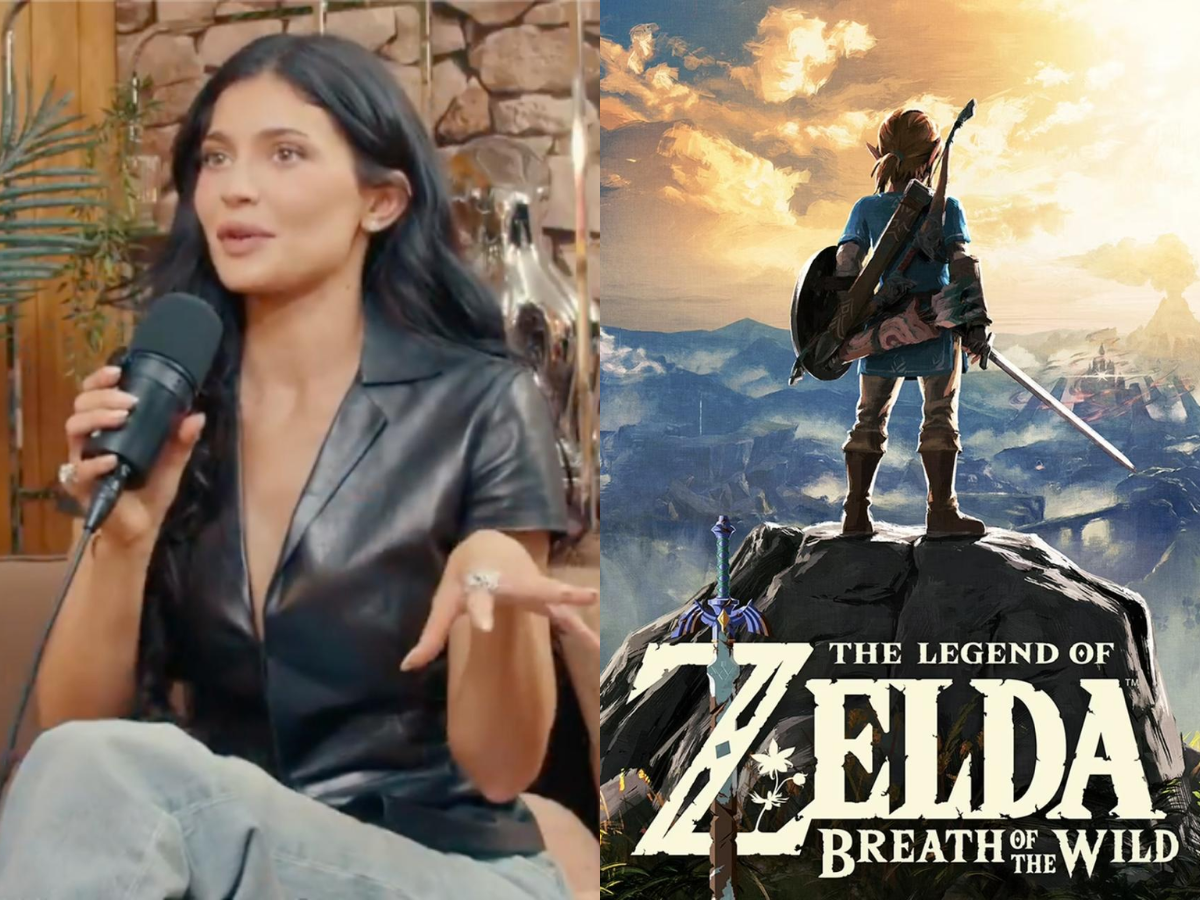
The crossover was unexpected, but the content was pure gold. During her appearance on the Therapuss podcast, Kylie Jenner found herself describing the premise of *The Legend of Zelda: Breath of the Wild* to host Jake Shane. This wasn't a deep-dive lore masterclass, but a candid, enthusiastic summary that nonetheless highlighted the game's core emotional pull. It was a moment that captured the game’s cultural zeitgeist, showcasing how even those outside the dedicated gaming community recognize its quality.
The appearance was documented and shared by Netflix on May 14, 2026, confirming the conversation and sparking renewed interest. It cemented the fact that *Breath of the Wild* has moved far beyond the niche gaming sphere. Instead, it has become a cultural touchstone, a narrative framework that people from all walks of life can appreciate.
Understanding the Post-Apocalyptic Lore

While the discussion was casual, the details she provided about the game's setting were remarkably accurate. Jenner described the fundamental premise: a world recovering from cataclysm. She explained that Link must save the world a century after a devastating conflict, a narrative structure that immediately hooks any fantasy fan. This gives us a clear glimpse into the rich, *Zelda post-apocalyptic story explained* that makes the franchise so enduring.
The story isn't just about fighting monsters, though. It’s about resilience. She touched upon the role of Princess Zelda, who, despite the passage of time and the devastation of the past, continues to thrive within the castle walls. This aspect of the lore—the contrast between the decaying world outside and the enduring knowledge inside—is what gives the game such emotional depth. The *Legend of Zelda Breath of the Wild synopsis* is less about the immediate action and more about the painstaking process of recovery.
The world of Hyrule is a masterful blend of vibrant life and ancient decay. The freedom of the open-world exploration, coupled with a deep, complex history, elevates the game far beyond simple adventure fare. It requires players to act as archaeologists, piecing together fragments of a glorious past.
Divine Beasts and Gameplay Scope
The conversation wasn't limited to the lore; it touched on the actual gameplay experience. When discussing her progress, Jenner revealed she had already faced down one of the major antagonists, the Divine Beasts, and was aiming for the second. This single detail gives players a tangible sense of the game's scale and the monumental effort required to see the story through.
The Divine Beasts are central pillars of the gameplay loop, serving as both localized bosses and narrative markers. They represent the fragmented power needed to restore peace to Hyrule. Understanding the structure of the *Divine Beasts in Zelda* system is key to appreciating the game's blend of exploration and combat challenge. The game demands that players utilize everything from elemental magic to inventive puzzle-solving.
This focus on self-discovery and player agency is why many consider *Zelda Breath of the Wild* among the *Zelda Breath of the Wild best games*. It shifted the paradigm of open-world design. Instead of funneling the player along a set path, the game encourages radical freedom, making every corner of the map feel like a genuine discovery.
The sheer scope of the game—the vast, breathtaking landscapes, the mechanical depth, and the rich narrative tapestry—is a testament to its lasting appeal. From the initial shock of the mystery to the climactic confrontation with the great evil, the journey is expertly paced, ensuring that the player is always rewarded for their curiosity.
The industry reaction has been one of awe. This casual podcast discussion serves as a powerful reminder that classic, well-executed open-world fantasy can generate generational buzz, regardless of whether the discussion starts in a gaming lounge or a celebrity podcast studio.
The continued success of these massive titles highlights the industry's current appetite for exploration and narrative consequence. Future AAA games will likely feel pressure to replicate the freedom and sense of discovery that *Breath of the Wild* established. We anticipate seeing more developers focusing on open-ended systems rather than linear quest lines.
This pop culture moment suggests that the lore surrounding the Divine Beasts will inspire new, spin-off media and games for years to come. Keep an eye on major platform announcements for further *Zelda* expansions.
Frequently Asked Questions
What is the main premise of Breath of the Wild?
The story follows Link, who must save the kingdom of Hyrule 100 years after a massive war. He must rediscover his strength and restore the peace to a world recovering from cataclysm.
What is the importance of the Divine Beasts in the game?
The Divine Beasts are massive, elemental constructs that act as major bosses and plot points. Defeating them is crucial to gathering the power needed to face the ultimate threat to Hyrule.
When was the pop culture discussion about Zelda recorded?
Kylie Jenner’s discussion of the game was highlighted in a podcast description posted on Twitter by Netflix on May 14, 2026.
Confirmed details first, useful context second. This is the quickest path to the source trail and the next pages worth opening.
Source date: May 14, 2026