Banking Blockade Hits Indie Dev, Threatening Hustle Battle Card Gamers
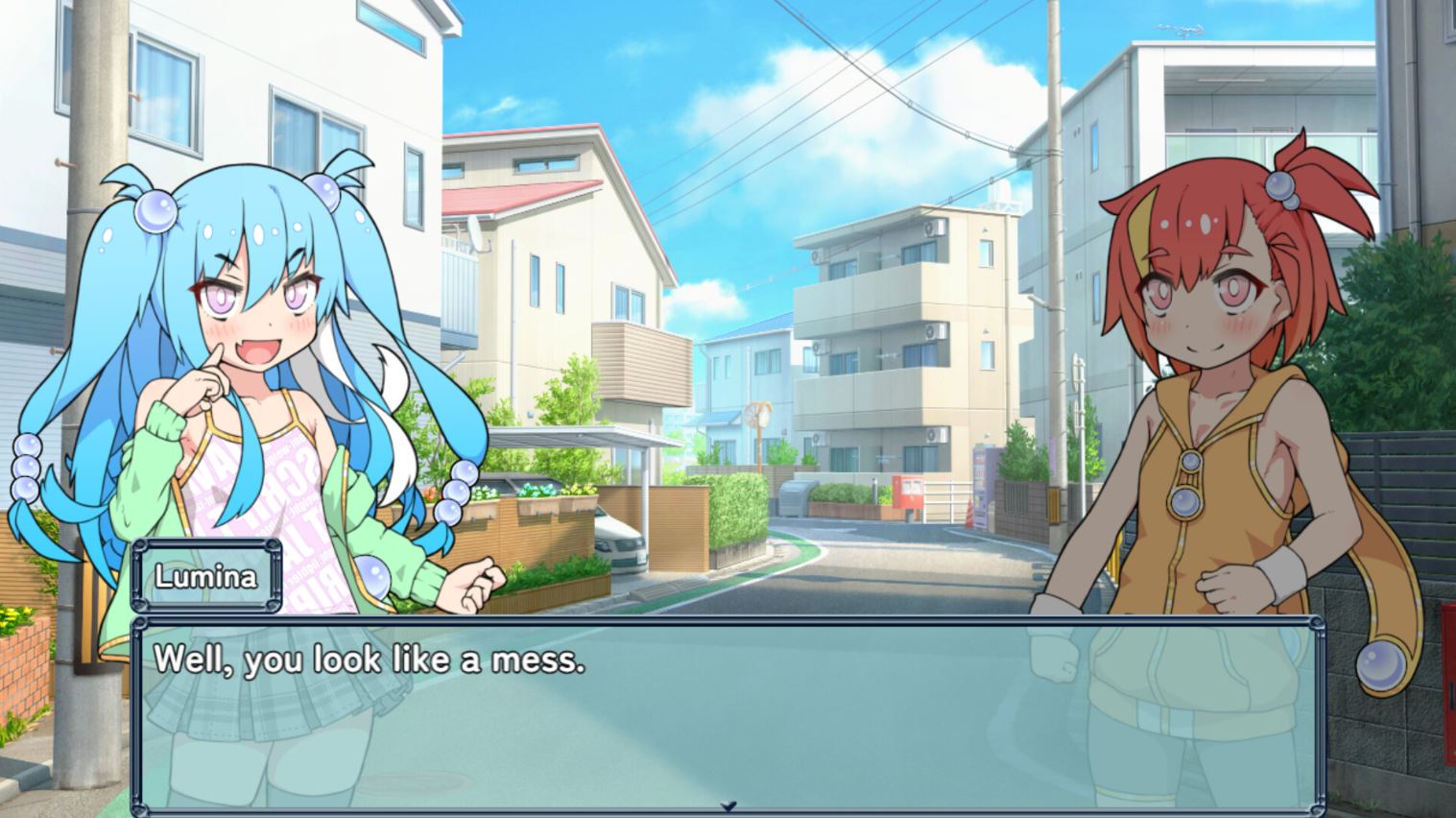
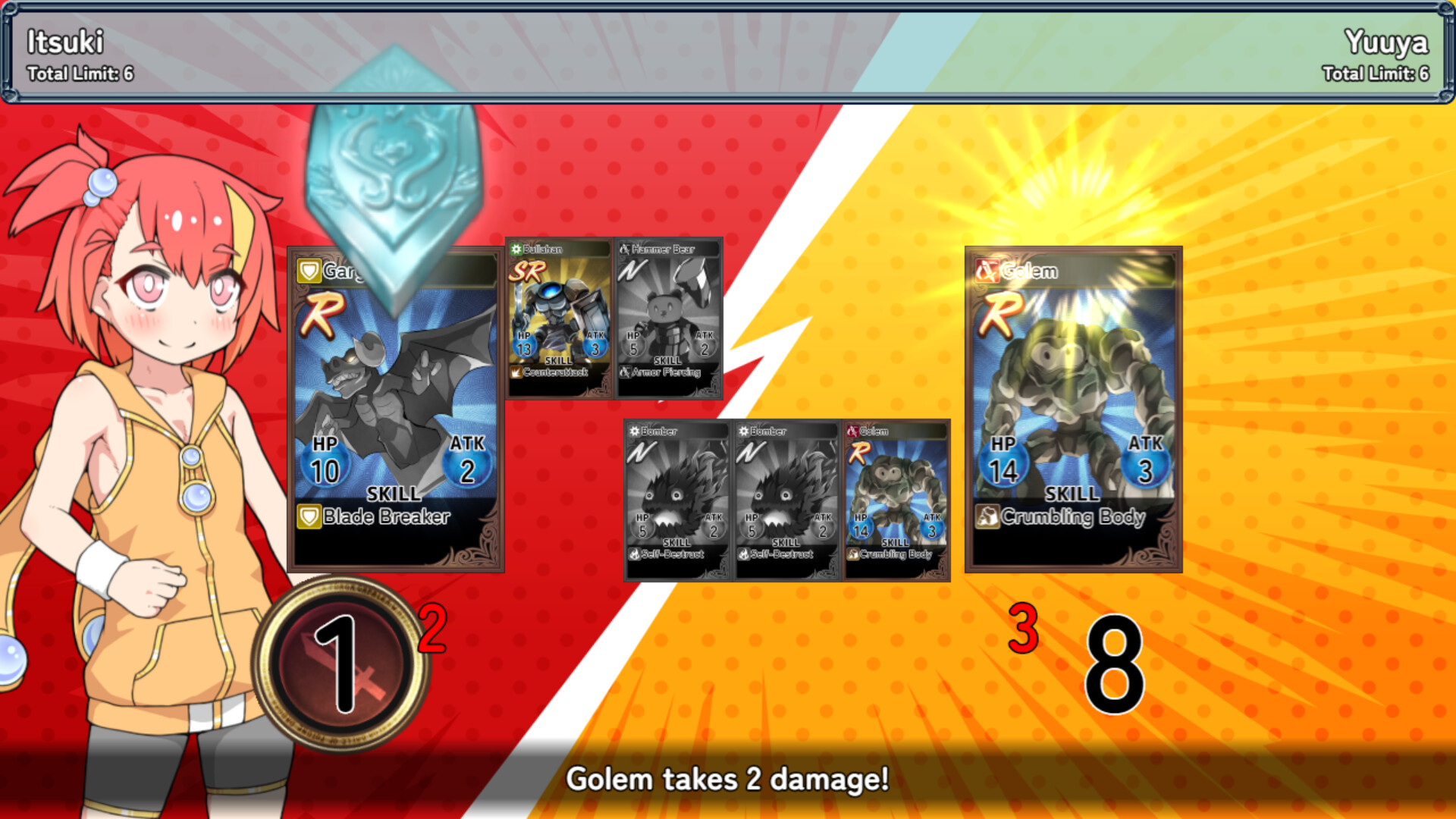
A seemingly small card game is facing a massive, systemic crisis that threatens the financial stability of an entire genre of creators. How can a developer build an entire business around digital sales only to be shut down by their own bank? The controversy surrounding the Hustle Battle Card Gamers Steam release has rapidly escalated from a simple payment dispute into a major debate about international digital commerce.
What this means for players: This situation highlights deep vulnerabilities in the global digital creator economy, suggesting that even successful, all-ages titles are not immune to geopolitical or banking risks.
The developer, Mousou no Mayu, is currently unable to process international transfers for their title, *Hustle Battle: Card Gamers*. The issue stems from their local bank, which cited a "thorough review of the game’s content," specifically flagging the mere appearance of minor characters—a decision that baffled the community and the developer alike.
This isn't just a payment hiccup; it is a sudden, crippling blockade that cuts off the primary revenue stream for the studio. The consequences ripple far beyond the immediate release date, creating immense uncertainty for fans anticipating the game's full launch.
Mousou no Mayu Faces Banking Blockade Threat

The core issue is the unilateral action taken by the bank. Despite the game receiving an all-ages rating, Daishi Hokuetsu Bank halted the processing of international payments. This move directly impacted the planned Steam version sales, which are crucial for global reach and revenue stability.
Mousou no Mayu has been forced to confirm the bank's refusal of Steam version sales, sending shockwaves through the indie gaming community. The developer has issued stark warnings, noting that if this current block continues, domestic sales platforms like DLsite and FANZA could also face similar restrictions, depending on future bank decisions.
This level of control over a creator’s income stream is unprecedented in modern digital publishing. It turns the banking infrastructure itself into a potential censorship tool, raising serious questions about the legal protections afforded to digital artists and developers.
Income Loss and Operational Instability
The fallout from this blockade is severe: the developer has been entirely cut off from accepting legally earned international income. This immediately places the studio in a state of operational instability, regardless of how popular *Hustle Battle Card Gamers* might become.
While the bank offered a short, one-to-two-month grace period for domestic transfers, requiring the developer to switch to alternative accounts for deposits, the lack of reliable international payment channels remains the critical threat. This incident is not isolated; it is part of a growing pattern of concern.
The situation mirrors previous incidents, such as the recent blocking of overseas transactions for Mai Itsuki of Ren, which was reportedly due to undisclosed "risks." These cumulative events paint a clear picture: international payment issues are becoming an increasing threat to Japanese game developer income loss.
Why this matters: This pattern suggests that the current banking environment lacks standardized, reliable mechanisms for processing digital creator revenue, creating enormous risk for promising studios worldwide.
Calls for Regulatory Review
The crisis has galvanized political attention. Former Japanese assemblyman Zenko Kurishita publicly criticized the banking practice, arguing that the current system is fundamentally flawed. He strongly suggested that Japan needs to undertake a comprehensive review of its banking protocols to better protect the income streams of digital creators.
Kurishita's critique pointed toward models used in other developed nations, specifically referencing the US's 'Guaranteeing Fair Banking For All Americans' order. His argument is clear: creators need a predictable financial shield that guarantees access to earned revenue, regardless of arbitrary bank reviews.
The debate has shifted from a simple game release problem to a national policy failure. The necessity of protecting the revenue for Japanese indie developers from sudden banking restrictions is now a major conversation point in the industry.
This systemic risk means that the successful Hustle Battle Card Gamers Steam release, while exciting for players, is also a flashpoint for global discussions on financial regulation in the creative sector.
This whole ordeal highlights the fragile nature of modern digital commerce. The future of the industry depends on financial systems that are flexible, predictable, and creator-friendly.
***
In the near term, we expect increased government and industry lobbying for regulatory changes. Legal experts predict that the pressure from high-profile cases like Mousou no Mayu's will force banks to adopt clearer, more standardized international transfer policies. We anticipate seeing a move toward specialized, regulated payment rails for the gaming industry, bypassing current commercial bank restrictions entirely.
Frequently Asked Questions
Will the bank blockade affect all Japanese indie devs?
The current incident is highly publicized, but it suggests a systemic vulnerability. Other developers may face similar restrictions if their banking relationships are not robust or if the banks tighten international controls.
What are the biggest risks for Steam international payments?
The primary risks include fluctuating foreign exchange rates and the arbitrary intervention of local banks, which can halt transfers based on vague security or compliance grounds.
Can developers bypass these banking issues?
While alternative payment processors exist, they often come with higher fees or greater operational complexity. A full, stable bypass requires significant international legal and banking infrastructure changes.
Confirmed details first, useful context second. This is the quickest path to the source trail and the next pages worth opening.
Source date: May 14, 2026