KLab AI GUILD Program Details: Japanese Dev Taps AI Creators for Content

What happens when the most powerful creative tool humanity has ever invented meets the structure of a professional industry? The answer is a massive, seismic shift. It’s no longer a question of if AI will change content creation, but how rapidly the professional world will adapt to it.
A major announcement from Japanese game developer KLab is signaling the formalization of this new creative power. They have launched the 'KLab AI GUILD,' a structured program designed not just to observe the AI revolution, but to actively harness it. What this means for players: the barrier between hobbyist AI creation and professional, commercial-grade output just shattered.
This move is far more than a simple incubator. It represents a concerted effort to bridge the gap between independent AI creators and the demands of large-scale commercial projects, setting a new benchmark for the entire digital content pipeline.
KLab Launches AI GUILD Program Details
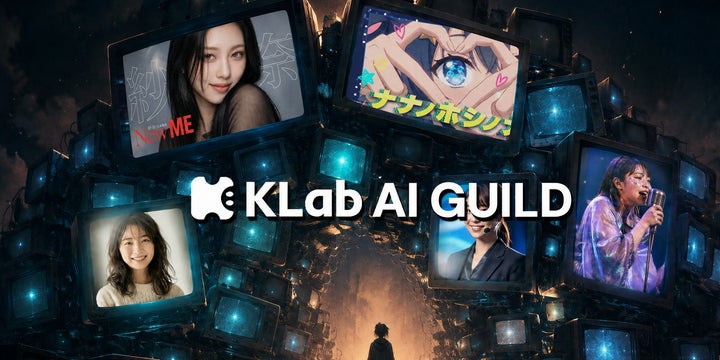
The concept of the KLab AI GUILD is revolutionary in its scope. Historically, content creation—whether it’s a blockbuster anime, a music video, or a video game—required massive teams of specialized talent: animators, composers, storyboard artists, and technical experts. KLab is fundamentally changing that equation.
Instead of viewing AI tools as mere novelty, the GUILD treats them as professional assets. By creating a registration-based system, KLab is actively integrating advanced AI creators into the production workflow. This means that talented individuals who can master AI art, music generation, and deepfake techniques are being directly targeted for major assignments.
This is the formalization of the creator economy in the age of artificial intelligence. It provides a clear pathway for independent artists to move beyond personal portfolios and into professional, high-stakes collaborations. The initial goal is to expand the role of AI creators by involving them in massive, multi-media commercial projects—from full-length films and music videos to elaborate anime-style works.
Scope: AI Creators Commercial Content Production
The opportunity presented by the KLab AI GUILD is defined by its scale and diversity. Accepted participants aren't just generating pretty pictures; they are becoming integral parts of a professional production machine. The training and assignment structure is highly tailored, ensuring that the AI creators' output meets industry-grade standards.
The program is designed to be comprehensive. Beyond simply giving out assignments, KLab is providing a full support ecosystem. This includes dedicated workshops focused on advanced prompting, legal rights for AI-generated content, and networking opportunities with established industry professionals. This structured mentorship is key to transforming raw creative potential into reliable commercial output.
Furthermore, the collaboration process is highly personalized. Participants will receive assignments based not only on their technical skills but also on their stated interests and current availability. This targeted approach maximizes the efficiency of the creative labor pool, ensuring that the right AI talent is deployed to the right project at the right time. This focus on structured integration is what makes the KLab AI GUILD a critical development for the industry.
KLab AI Guild Registration Opening Date
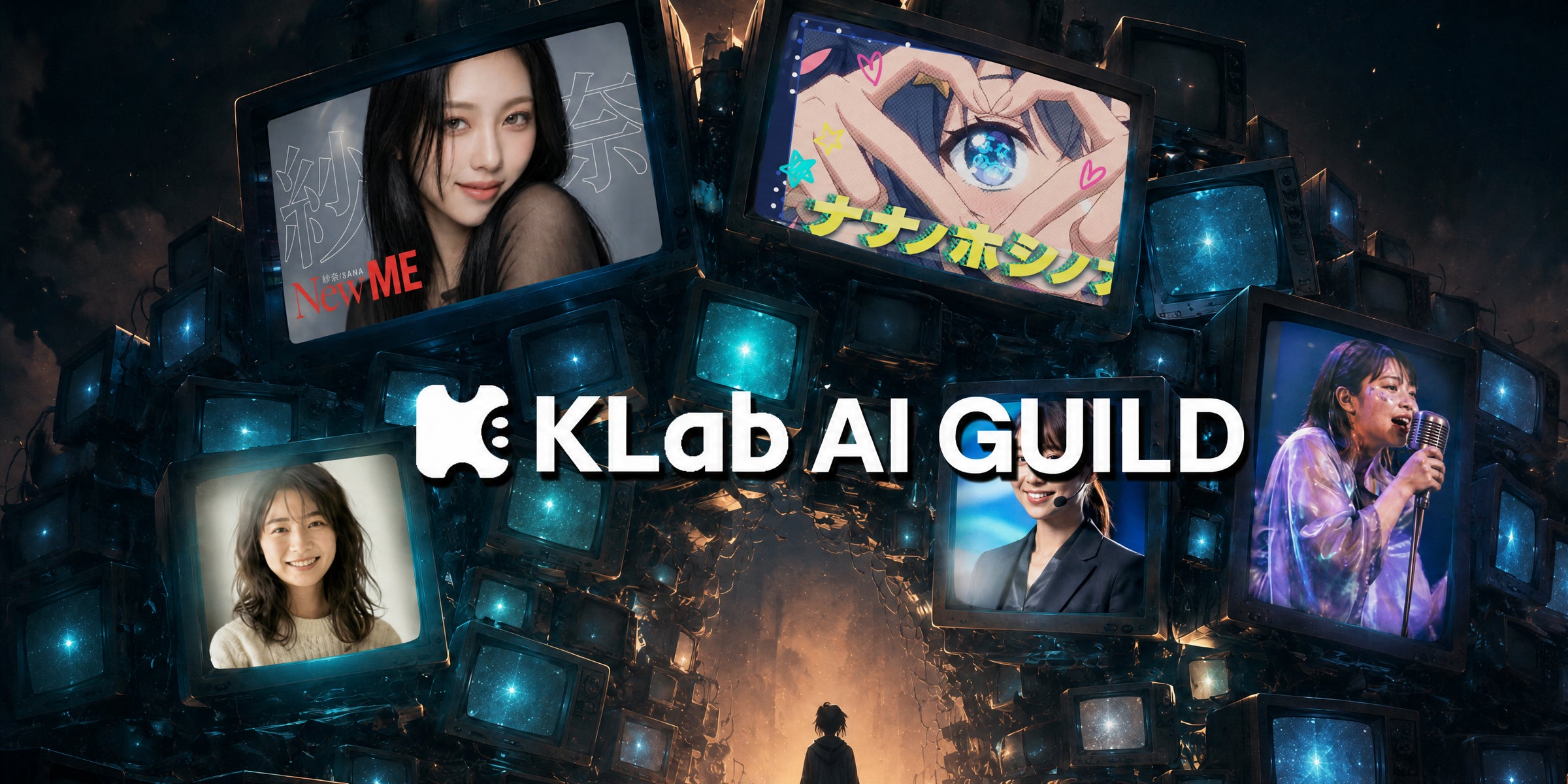
For those interested in participating, the practical details are now available. The registration process for the KLab AI GUILD officially opened on May 13, 2026. This established date gives creators a clear timeline to prepare their portfolios and understand the scope of the commitment.
However, participation is not guaranteed. The program requires all applicants to pass a rigorous screening process. This is critical because KLab is not looking for volume; they are looking for quality and seamless integration into existing professional workflows. The screening process will likely assess technical proficiency alongside the ability to adhere to commercial project timelines and quality control standards.
The establishment of the KLab AI GUILD signals a major investment by a Japanese game developer in the future of intellectual property. It provides a blueprint for how traditional entertainment industries can coexist with, and profit from, generative AI. This model is likely to influence other studios globally, solidifying the concept of AI creators commercial content production as a viable, top-tier career path.
The immediate impact is clear: the professional boundaries of digital art and entertainment are dissolving. The KLab AI GUILD creator program details reveal that the future of content is collaborative, merging human vision with artificial intelligence power. This isn't just a trend; it's a structural overhaul of the global creative economy.
Looking ahead, we anticipate that other major Japanese game developers and entertainment houses will follow KLab's lead, establishing similar centralized guilds. The next phase will likely involve integrating specialized AI tools for real-time animation and character modeling, drastically reducing pre-production time for major projects. Furthermore, we expect the AI music label KLab AI Entertainment to become a major force, setting new standards for sound design and vocal synthesis in commercial media.
Frequently Asked Questions
What is the primary focus of the KLab AI GUILD?
The program aims to formally integrate independent AI creators into large-scale commercial projects. It bridges the gap between hobbyist AI output and professional content production for films, anime, and music videos.
When did KLab AI GUILD registration open?
Registration for the KLab AI GUILD opened on May 13, 2026. Applicants must pass a screening process to ensure quality and fit into professional workflows.
Does KLab AI Entertainment handle only music?
No, while the label handles music, the broader AI GUILD program supports various commercial content types, including films and anime-style visual works. It is a comprehensive content platform.
Confirmed details first, useful context second. This is the quickest path to the source trail and the next pages worth opening.
Source date: May 15, 2026