Core Ultra 9 290K Plus Benchmarks: Why Intel's Flagship Got Cut
The highly anticipated Core Ultra 9 290K Plus may never exist. Reports have surfaced that Intel has reportedly canned the flagship chip from the Arrow Lake refresh lineup, leaving PC builders scrambling for clarity on the performance roadmap. The cancellation comes amid mixed and underwhelming benchmark results, suggesting that the performance gains may not justify the expected premium price tag.
What this means for players: The narrative surrounding the Core Ultra 9 290K Plus performance benchmarks is not one of revolutionary power, but rather of marginal improvement, forcing a re-evaluation of the best CPU for gaming 2024. We break down what the latest leaked data means for your next build.
The Core Ultra 9 290K Plus Cancellation
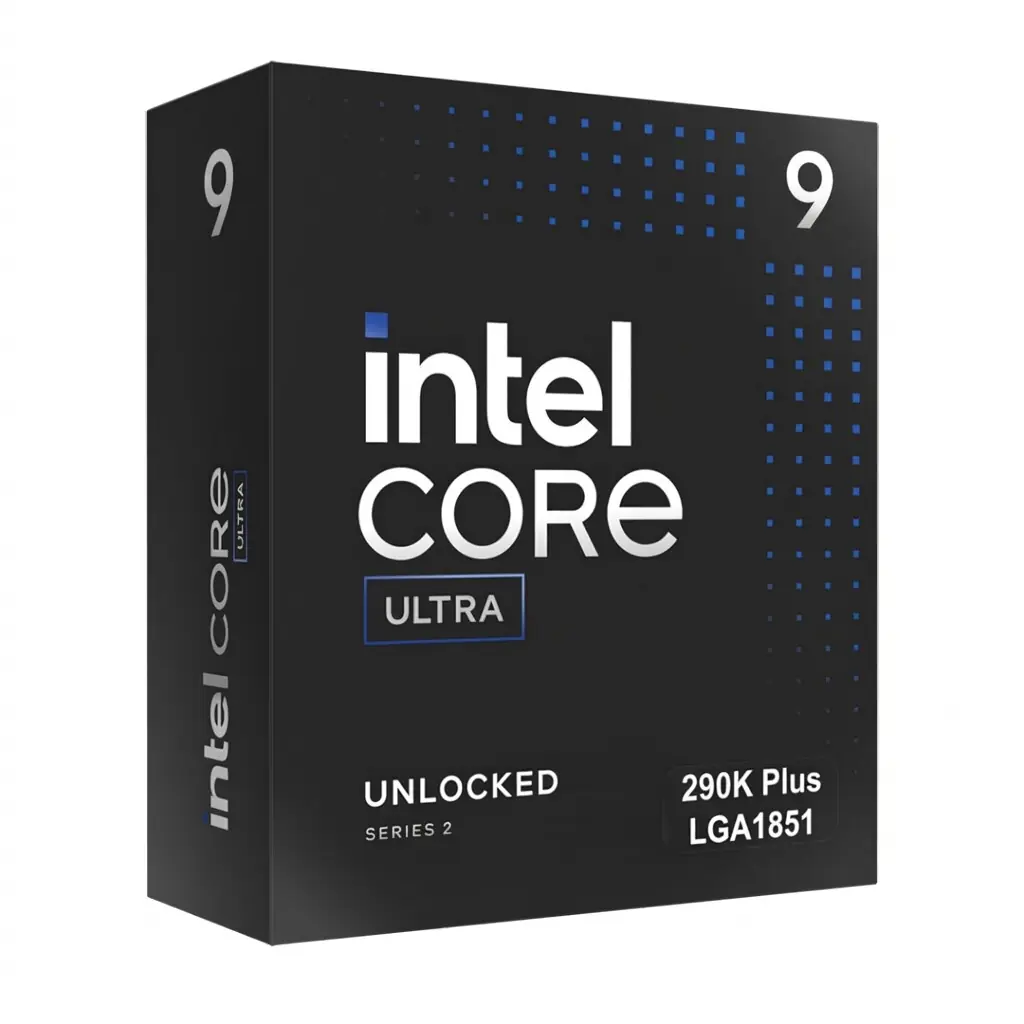
Rumors surrounding the Core Ultra 9 290K Plus have been persistent, positioning it as the definitive successor to the previous generation’s high-end chips. However, the news that the chip has been cut from the official refresh lineup is a significant blow to enthusiasts expecting a major leap in architecture.
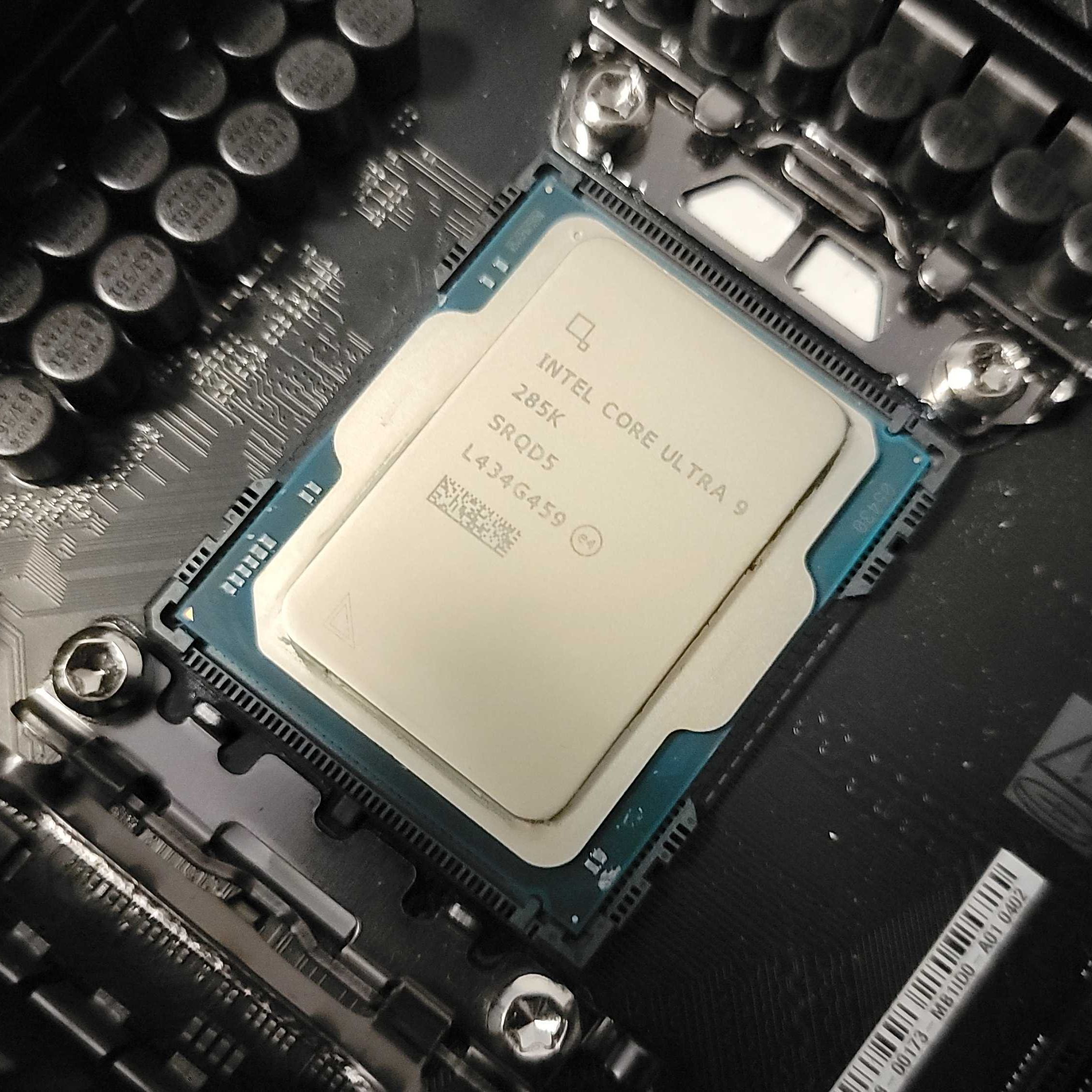
This development emerged after a Chinese reviewer obtained an engineering sample of the chip. Initial analysis of this sample reportedly showed inconsistent performance across both demanding gaming scenarios and professional compute workloads. The mixed results seem to have been the final factor in the decision to pull the model, suggesting that the performance improvements were not linear or universally impactful.
Gaming Benchmarks: The Inconsistency Problem
For high-end enthusiasts, the biggest question is always performance in demanding titles. The leaked data regarding the Core Ultra 9 290K Plus gaming FPS painted a picture of conflicting results. On one hand, the chip demonstrated a solid 8.3% outperformance compared to the lower-tier Core Ultra 7 270K Plus in a scenario like Delta Force at 1080p. This suggests capable, high-refresh-rate performance in specific, perhaps less graphically demanding titles.
However, the results quickly turned sour when tested against modern, demanding AAA titles. In highly demanding simulations like Black Myth: Wukong and Resident Evil 9, the 290K Plus reportedly lost ground to the lower-tier 270K Plus. This inconsistency is the most alarming takeaway. A flagship chip that underperforms relative to its own lower-tier sibling in key demanding titles suggests a bottleneck in scaling or architectural efficiency that needs significant addressing.
The data reveals that while the Core Ultra 9 290K Plus might boast impressive peak performance in niche scenarios, its overall gaming profile is highly mixed, failing to provide the consistent, scalable uplift that premium builders expect.
Core Ultra 7 vs. Core Ultra 9 Comparison and Value

The core of the controversy revolves around the marginal gains. When comparing the 290K Plus to the Core Ultra 7 270K Plus, the performance gap was modest. In general intensive tasks, the 290K Plus was 6.3% faster, and in productivity tasks, it showed a mere 4% improvement. Gaming saw an even smaller jump of roughly 2%.
This analysis brings the discussion to the crucial factor of value-per-dollar. Achieving only a 2-4% uplift over a cheaper alternative like the Core Ultra 7 270K Plus means the performance gains are unlikely to justify the expected substantial price increase. The market, and Intel itself, appears to have determined that the performance profile was simply insufficient to warrant the premium, leading directly to the reported cancellation.
In professional simulations, the results were more varied. While the 290K Plus showed a respectable 9.3% lead over AMD's Ryzen 9 9950X3D2 in Ansys Fluent Simulation, it trailed the AMD competitor by 8.3% in other professional tasks. This emphasizes that even in compute, the performance advantage is highly situational, not a blanket improvement.
Future Implications for Arrow Lake
The withdrawal of the 290K Plus is a strong signal regarding the current direction of the Intel Arrow Lake refresh lineup. It suggests that Intel is prioritizing efficiency and targeted performance gains over simply maximizing core count or clock speed. The company seems to be adjusting its strategy to ensure that every flagship SKU offers a measurable, undeniable performance advantage over the core mid-range offerings.
For builders and enthusiasts, this means focusing on the verifiable data. The Core Ultra 9 vs Core Ultra 7 comparison should now be viewed through the lens of *utility* rather than raw number comparison. If the marginal gain is small, the price gap is too large. Instead, users should look for specific optimizations or architectural leaps that genuinely impact modern gaming workloads.
The next generation of Intel CPUs must deliver performance gains that feel revolutionary, not iterative. We anticipate future revisions will focus on vastly improved memory bandwidth and better integration of specialized AI compute units to truly differentiate the Core Ultra 9 290K Plus successor from its lower-tier brethren.
Ultimately, the market signals that raw power benchmarks are insufficient. The next iteration must prove its value in both highly demanding gaming scenarios and sustained, multi-threaded productivity tasks to regain flagship status.
Based on the current performance data, we predict that the next Core Ultra 9 SKU will need a minimum 15% uplift in sustained FPS across the board to justify a flagship price point. Furthermore, Intel will need to aggressively target thermal efficiency improvements to maintain the architectural lead over competitors.
Frequently Asked Questions
Is the Core Ultra 9 290K Plus truly cancelled?
Reports indicate the chip was cut from the planned Arrow Lake refresh lineup following mixed and underwhelming performance data from engineering samples. However, official confirmation is pending.
Does the Core Ultra 7 handle modern AAA gaming better?
According to the benchmarks, the Core Ultra 7 270K Plus showed competitive performance in some titles, though it lost to the 290K Plus in specific, less demanding scenarios.
What should I focus on when choosing a high-end gaming CPU?
Focus on consistent, scalable performance across your target titles, paying close attention to the value-per-dollar ratio rather than just the peak benchmark numbers.
Confirmed details first, useful context second. This is the quickest path to the source trail and the next pages worth opening.
Source date: May 16, 2026