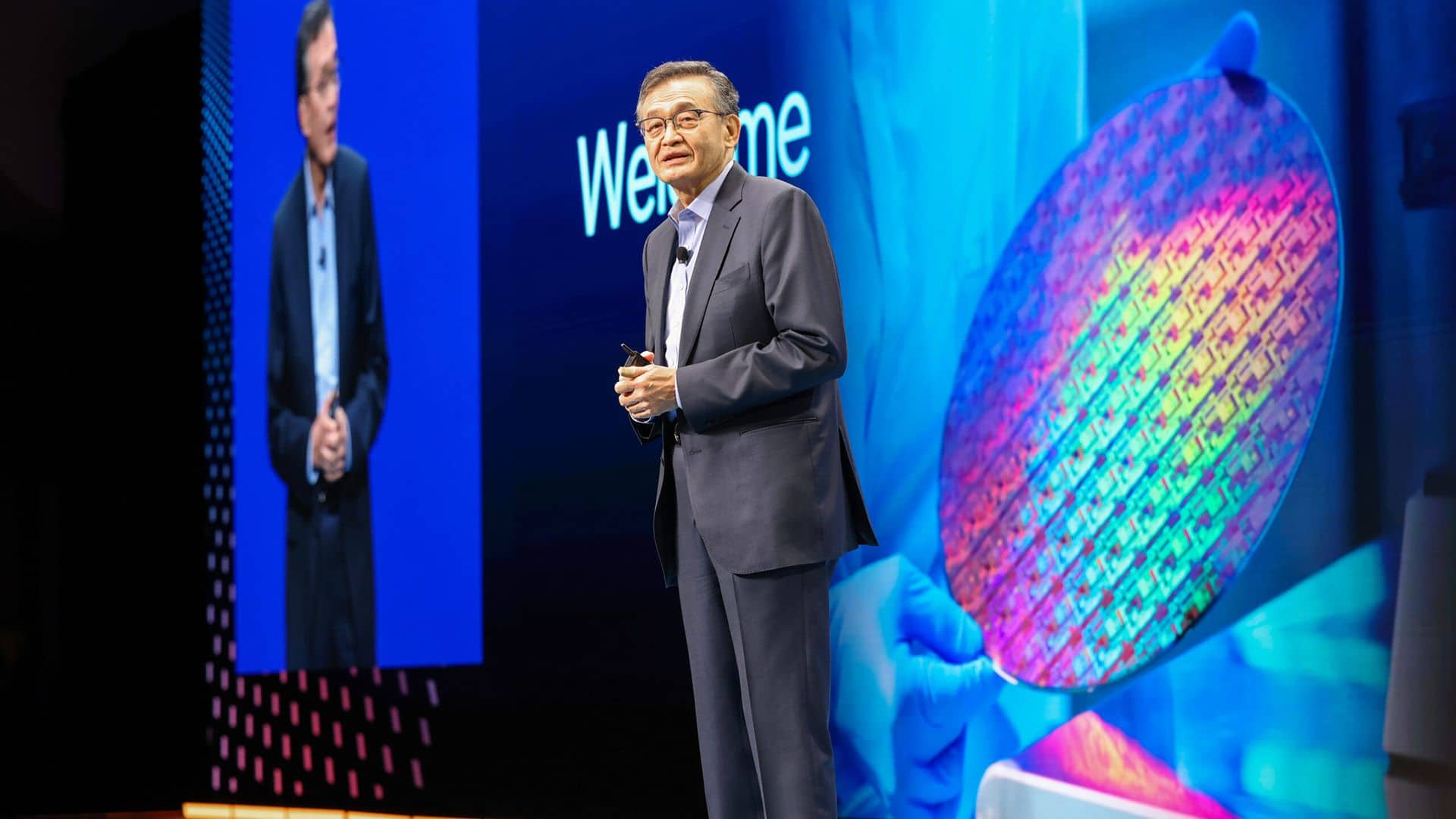
The race to build the fastest chips in history just got a major update. For years, the semiconductor industry has been defined by a staggering gap between promise and performance, particularly for Intel. But after a series of strategic shifts, the company’s CEO has laid out a detailed roadmap, focusing heavily on the crucial **Intel 14A process timeline**. What this means for players is a potential, multi-year comeback attempt that could redefine the competitive landscape against rivals like TSMC and AMD.
Why this matters: The successful execution of the 14A process isn't just a technical win; it's a massive shift in market confidence. If Intel hits its targets, the entire industry structure changes. We break down the CEO’s turnaround strategy and what the ambitious future process milestones mean for your next gaming rig.
CEO Details Turnaround Strategy and Future Process Milestones
The message from Intel CEO Lip-Bu Tan is clear: the company is undergoing a critical, strategic pivot. During his recent appearance, Tan didn't hide from the past; he addressed the operational errors and product roadmap complexities that hampered the business. The core of his message focused on simplification and renewed focus. He credited the recent success not just to management changes, but to the deep support of their teams and, critically, their customer relationships.
This renewed confidence is directly tied to the foundry business. The move to simplify the roadmap is the foundation of the entire turnaround, allowing Intel to focus resources on what they do best: manufacturing cutting-edge silicon. This strategic pivot is the cornerstone of the entire **Intel CEO turnaround strategy**, signaling a commitment to regaining market leadership through process technology.
Addressing Foundry Progress and Process Milestones
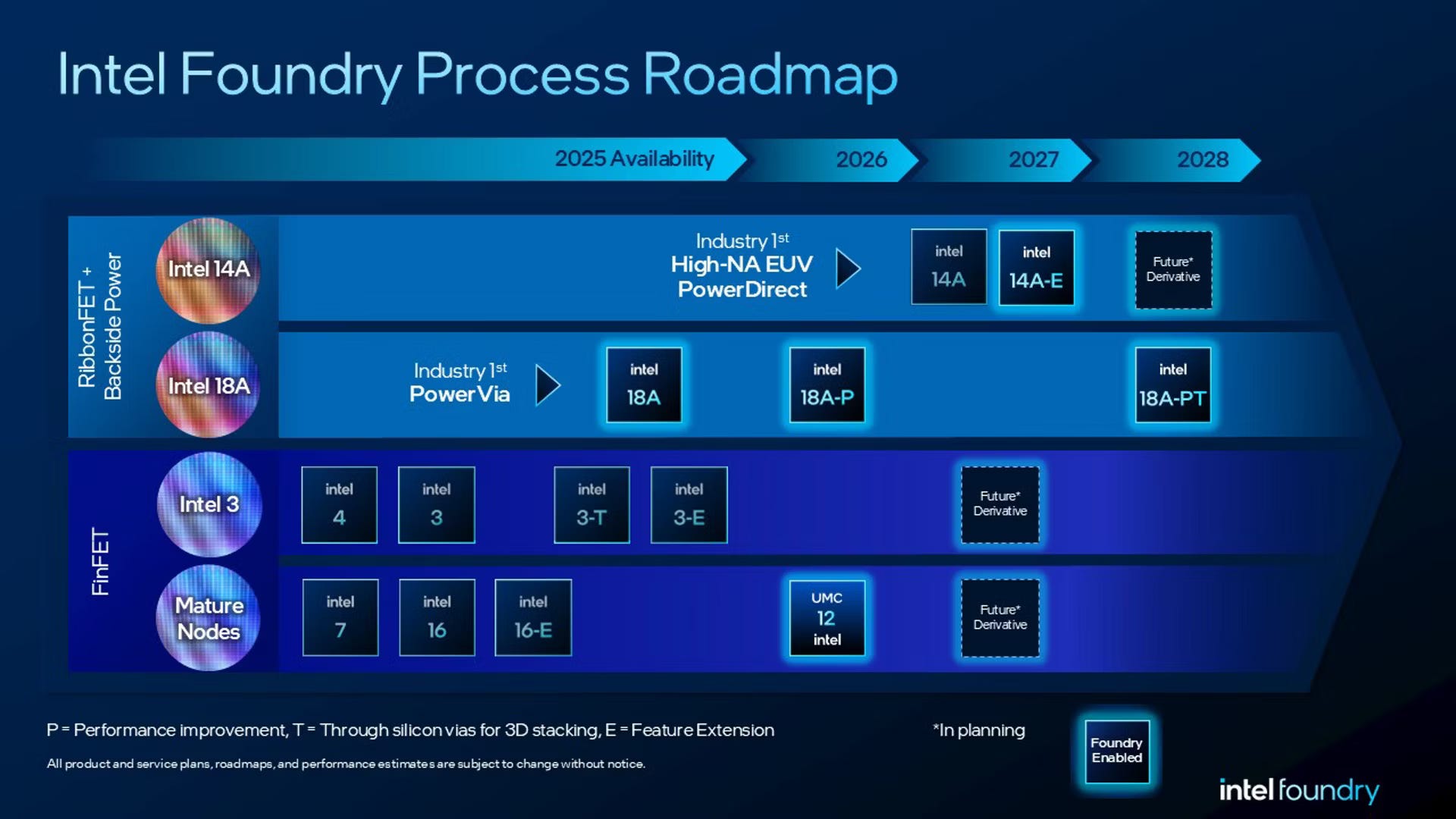
The main event, of course, is the foundry business. When discussing the advanced nodes, Tan was transparent about past struggles, specifically acknowledging that the yield for the 18A process had been lower than hoped. However, he also reported seeing tangible current improvements, suggesting that the engineering hurdles are being overcome. This acknowledgment of challenges, paired with concrete progress reports, is crucial for investor and partner confidence.
The most significant details relate to the next-generation nodes. Intel plans to begin risking production of the upcoming 14A process in 2028. The full volume production, where the technology will become stable and scalable, is slated for 2029. This projected **Intel 14A process timeline** is designed to align closely with the industry's leading players, such as TSMC, showing a clear, measurable goal for catching up and competing head-to-head.
The stakes are immense. The success of this entire timeline hinges on achieving massive **Intel Foundry yield improvement** at every step. This isn't just about launching a chip; it's about establishing a reliable, high-volume manufacturing powerhouse that can compete with the established giants. The commitment to these future process milestones is what gives the company its current momentum.
How the 14A Process Will Impact Gaming Hardware

For the average gamer, these technical timelines translate into potential generational leaps in performance. The 14A node represents a massive jump in transistor density and efficiency. While the 2029 volume date seems far away, the consistent progress reported on the **Intel 18A yield progress** and the overall roadmap means that the performance curve is constantly being pushed upwards.
This focus on advanced nodes, coupled with the ongoing push for strategic partnerships—including rumored collaborations like the **Intel partnership with Nvidia**—positions Intel not just as a CPU manufacturer, but as a comprehensive computing platform provider. The goal is to create an ecosystem where the hardware performance is limited only by the game's design, not the underlying silicon limitations.
The overall narrative is one of determined recovery. The success of the **Intel 14A process timeline** requires flawless execution across years of development, proving that the company can not only catch up but lead the next decade of computing power.
Looking ahead, the semiconductor market will be defined by who can maintain the steepest, most reliable yield curve. The ability to execute the 14A volume production by 2029, as planned, will be the ultimate test of Intel's renewed focus. If they stabilize the foundry business and achieve the projected efficiency gains, the competitive balance of power in computing could shift dramatically in the coming years.
Frequently Asked Questions

What is the significance of the Intel 14A process?
The 14A node represents a significant leap in transistor density and manufacturing efficiency. Achieving this process is critical for Intel to compete with the most advanced chips on the market and power next-generation gaming hardware.
When is Intel expecting 14A volume production?
Intel currently projects beginning to risk production in 2028, with full volume production for the 14A process slated for 2029. This timeline is central to their market recovery strategy.
How is Intel addressing its current yield challenges?
The CEO acknowledged previous low yield reports, particularly for 18A, but reported seeing current improvements. The turnaround strategy is heavily focused on process optimization and operational corrections to stabilize yields.
Confirmed details first, useful context second. This is the quickest path to the source trail and the next pages worth opening.
Source date: May 20, 2026