Imagine finally sitting down to play the highly anticipated Pragmata, only for the game to die the second you touch the main menu. Intel claims to have killed that beast with its latest driver version 32.0.101.8735, but for many gamers, the celebration is being cut short by a frustrating reality.
What this means for players: While Intel is aggressively hunting down game-breaking bugs, the "plug-and-play" experience for Arc owners remains a work in progress as several of the world’s most popular competitive titles still face significant stability hurdles.
Intel Fixed Pragmata Menu Crashes

The headline fix in driver version 32.0.101.8735 is aimed squarely at Pragmata. Before this patch, users across the Intel Arc spectrum—including the A-series, the newer B-series, and the integrated Core Ultra chips—reported a consistent application crash while simply trying to load into the game menu. It was a literal "game-over" before the game even started. Intel’s rapid response here shows a commitment to ensuring that new and upcoming titles don't leave Arc users stranded at the starting gate.
This specific fix is a win for the engineering team, as it covers a broad range of hardware. Whether you are rocking a dedicated A770 or using the integrated graphics on a high-end laptop, the Pragmata menu should now be functional. However, fixing a menu crash is the bare minimum for a modern GPU manufacturer, and the community is starting to wonder when the more "active" gameplay issues will receive the same level of attention.
Fortnite Stability Remains Major Issue
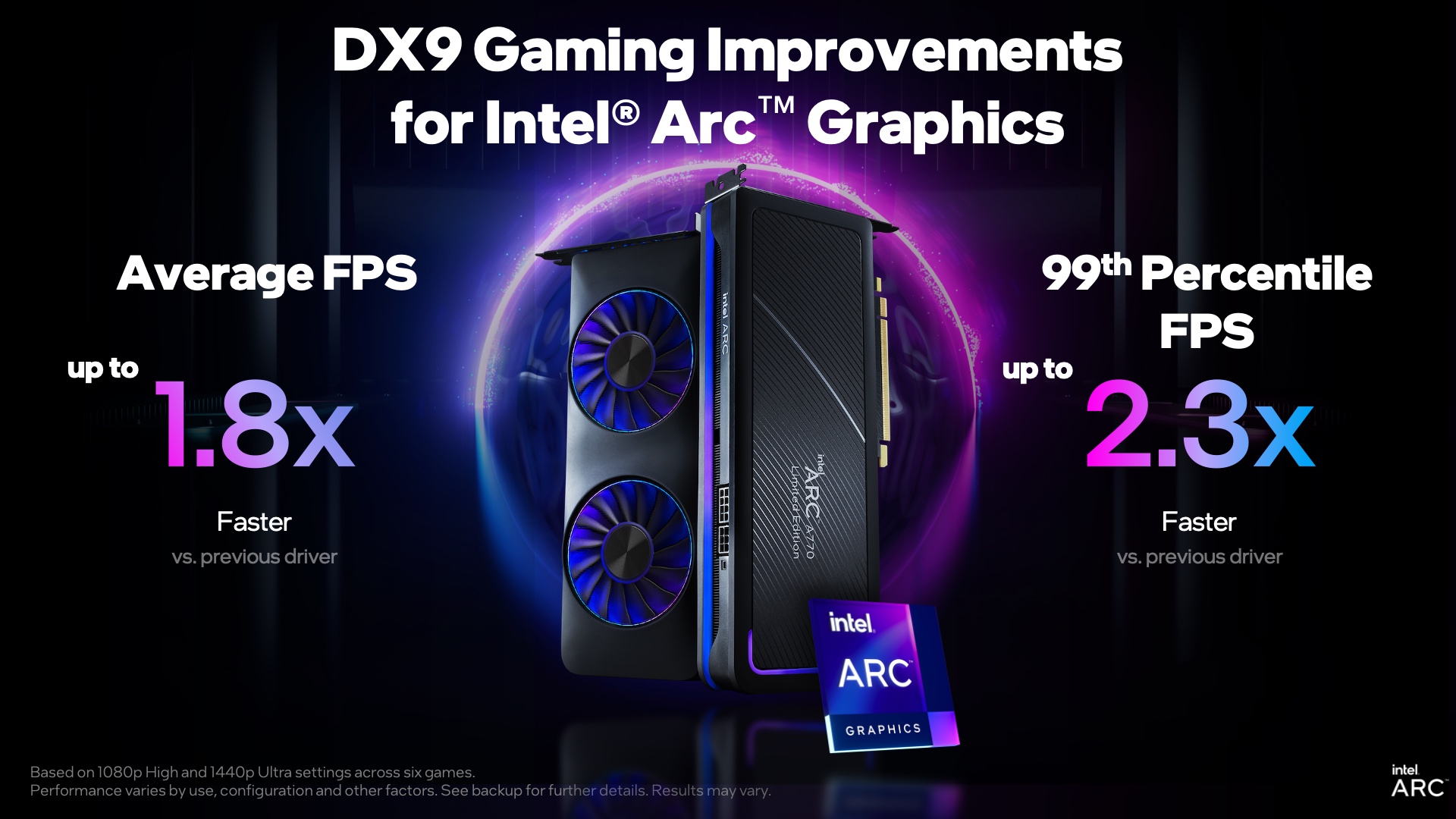
Despite the win with Pragmata, the patch notes contain a sobering "Known Issues" list that reads like a "Who’s Who" of modern gaming. Fortnite, the global juggernaut of the battle royale genre, continues to suffer from stability problems on Intel Arc hardware. For a GPU line trying to capture the hearts of budget-conscious gamers and esports enthusiasts, having Fortnite in an unstable state is a massive hurdle. It isn't just a minor stutter; we are talking about crashes that can ruin a ranked run or a casual session with friends.
The struggle isn't limited to Epic Games' flagship title. The Finals, a high-octane shooter known for its heavy destruction physics, is also on the list of problematic games. These aren't obscure indie titles; these are high-traffic, high-visibility games where performance is measured in milliseconds. When the competition is using NVIDIA or AMD cards with decades of driver maturity, Intel’s lingering stability issues feel like a heavy anchor on otherwise impressive hardware specs.
Core Ultra Performance Under Fire
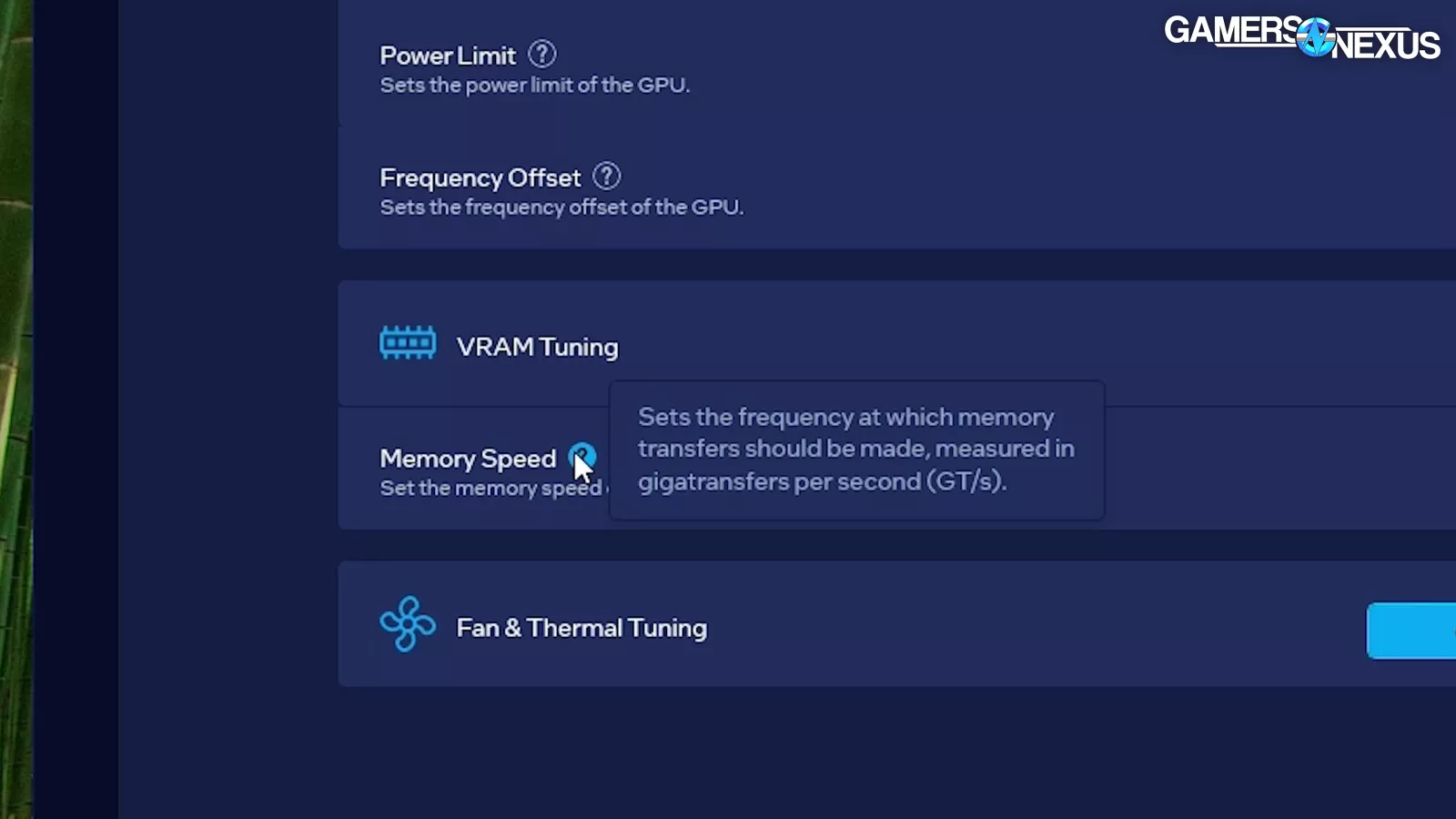
It isn't just the desktop "Alchemist" or "Battlemage" cards feeling the heat. Intel’s Core Ultra processors, which feature powerful integrated Arc graphics, are also subject to these driver woes. This is particularly concerning for the burgeoning handheld gaming PC market. Devices powered by Intel chips rely entirely on these drivers to deliver a console-like experience. When a driver update fails to address stability in games like Crimson Desert, it directly impacts the portability and reliability of these expensive handhelds.
Intel did manage to squash some flickering problems in Crimson Desert during a smaller update last week, but the game is still far from perfect. The inconsistency is what bothers users most. One week a game might run flawlessly; the next, a "stability fix" for one title might leave another popular game struggling to maintain a consistent frame rate. It’s a game of whack-a-mole that Intel's software team is playing in real-time.
Crimson Desert Flickering Finally Gone
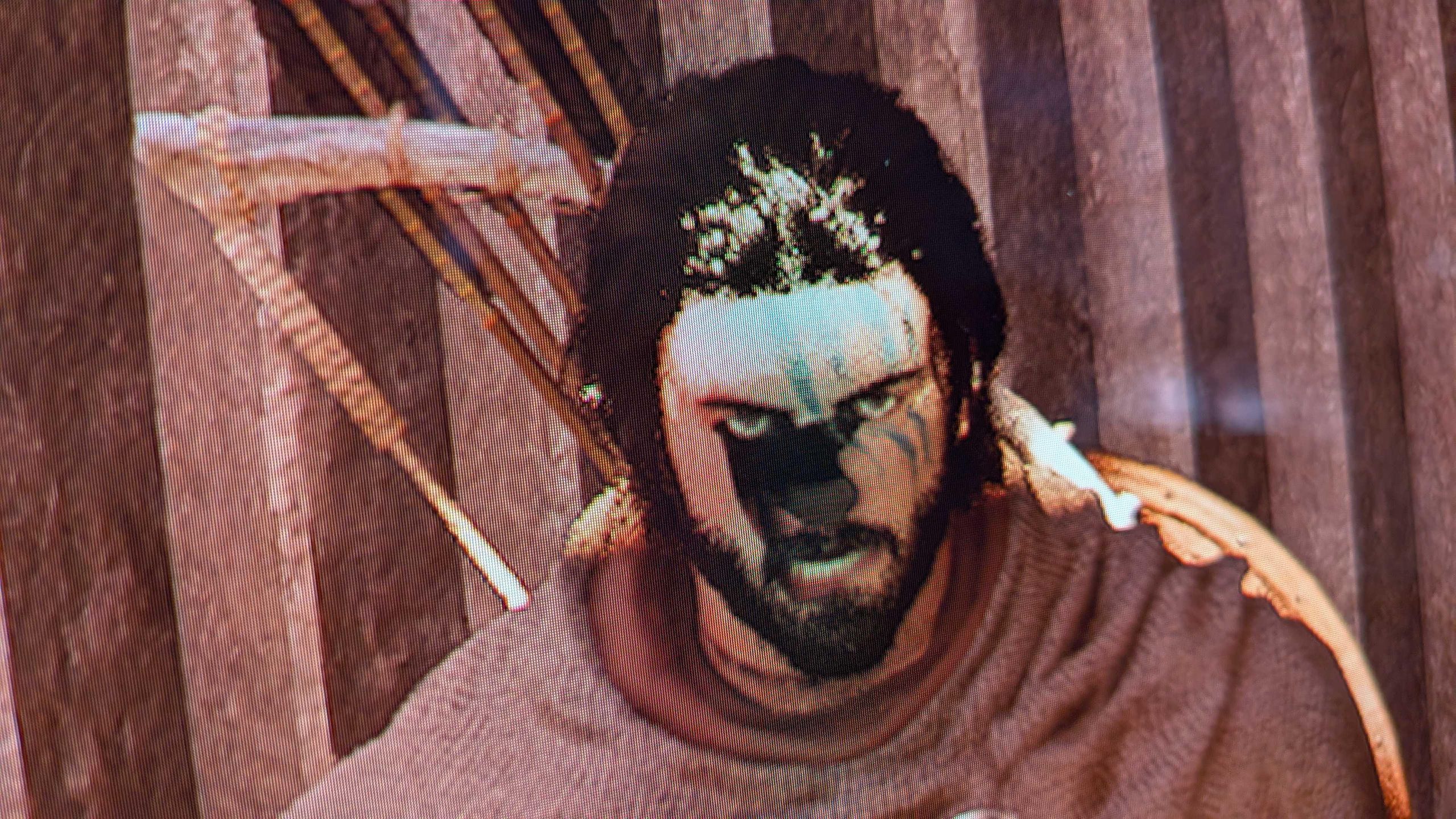
If there is a silver lining, it’s that Intel is moving fast. The current state of Arc drivers is a night-and-day difference compared to the disastrous launch of the A-series years ago. We are seeing a cadence of updates that rivals the industry leaders. The fact that flickering in Crimson Desert was addressed so quickly after being reported shows that the feedback loop between the community and Intel’s labs is working. They are listening, even if they can't fix everything at once.
The B-series launch was significantly smoother than its predecessor, suggesting that Intel has learned how to build a more stable foundation. However, "better than before" is a tough sell when a player just wants to jump into a match of Fortnite without worrying about a desktop crash. The focus remains on closing the gap. Performance gains are great for benchmarks, but stability is what keeps a GPU in a user's rig rather than on a return shelf.
Intel’s path forward is clear: they must prioritize the "Big Three" issues—Fortnite, The Finals, and high-profile RPGs like Crimson Desert—to gain true market legitimacy. Every driver release that leaves these games in the "Known Issues" section is a missed opportunity to convert a skeptical gamer. The hardware is capable, and the price is often right, but the software suite is still the gatekeeper of the Arc legacy.
Expect Intel to release a follow-up "hotfix" within the next fourteen days specifically targeting the DX12 stability in competitive shooters. The pressure from the Battlemage launch will likely force a more aggressive debugging schedule for the remainder of the quarter. If these core titles aren't stabilized by the next major seasonal update, Intel risks losing the momentum they gained with their recent hardware price-to-performance wins.
Frequently Asked Questions
Does driver 32.0.101.8735 fix Fortnite crashes?
No, Fortnite stability issues are still listed as a known problem in this specific driver version. Players may still experience intermittent crashes or performance hitches during gameplay.
Which Intel GPUs are compatible with this update?
This update supports the full range of Intel Arc A-series and B-series dedicated GPUs, as well as integrated graphics on Intel Core Ultra processors. It is designed to improve stability across both desktop and mobile platforms.
Is the Crimson Desert flickering issue completely resolved?
While Intel has addressed several flickering bugs in recent updates, some minor stability issues in Crimson Desert are still being tracked. Most users should see a significant improvement compared to older driver versions.
Confirmed details first, useful context second. This is the quickest path to the source trail and the next pages worth opening.
Source date: April 22, 2026