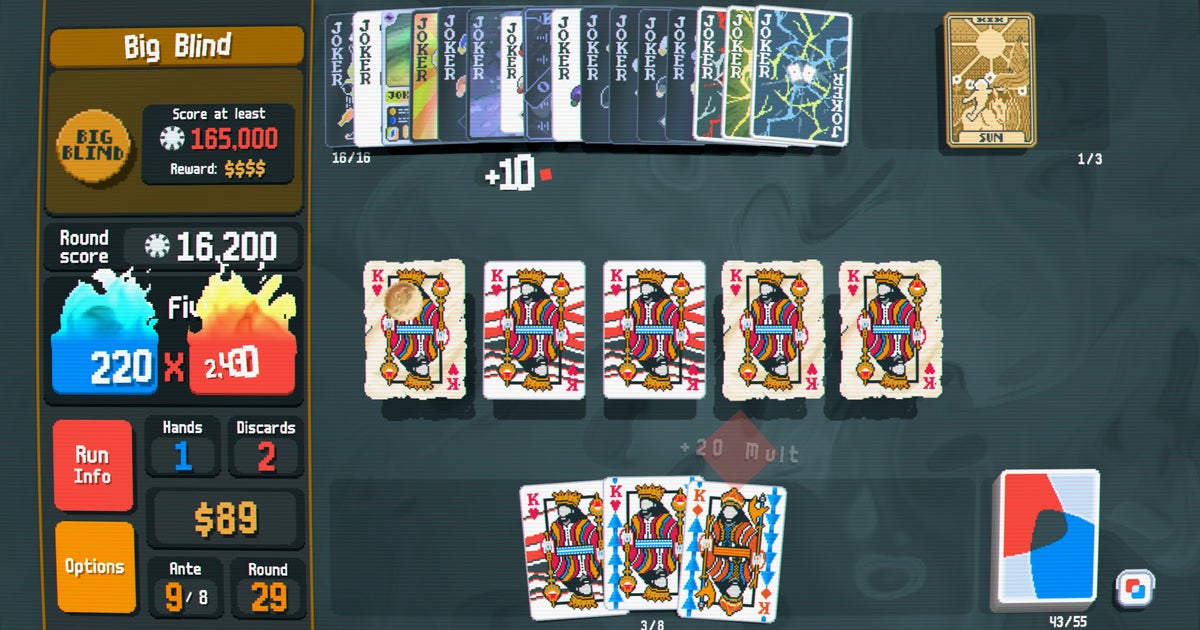
Roguelike Deckbuilders Saturation: What It Means for Indie Devs
Is the current wave of rogue-lite games finally running out of steam? If you’ve been keeping up with the gaming news, you might feel like every single new release is just another deckbuilder with procedural generation. The market is flooded, and some industry experts are warning that the genre itself is facing a massive saturation point.
What this means for players is that the next big breakout hit might be hiding in a corner, refusing to follow the established formula. Why this matters: the sheer volume of similar titles suggests a critical shift in development focus—away from chasing trends and toward genuine, unique mechanical depth.
Genre Fatigue: The Roguelike Problem
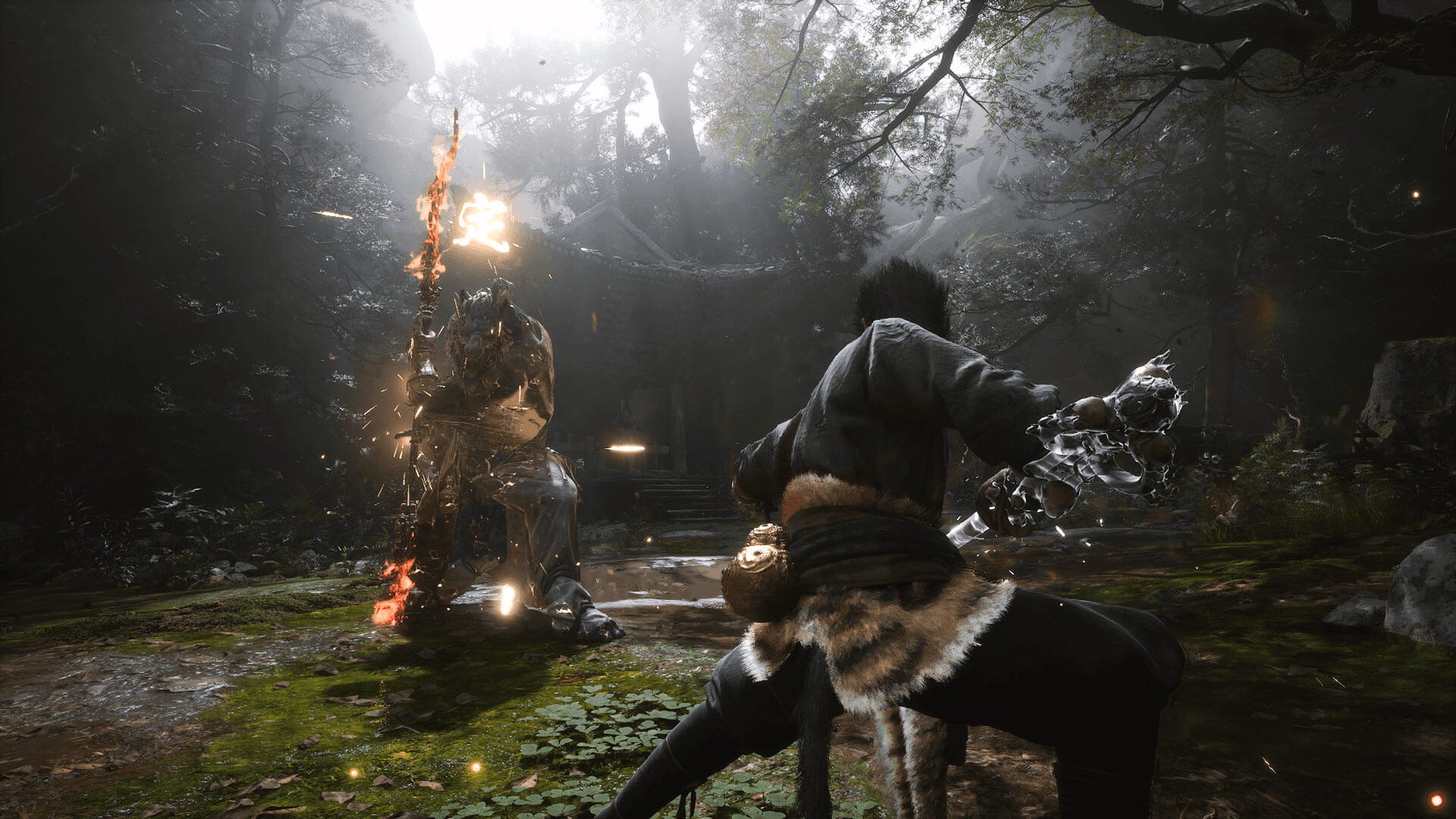
The problem isn't the concept; it's the sheer quantity. According to industry insights from Krafton's Victor Lee, the sheer number of titles in the roguelike space is staggering, with estimates pointing to an unprecedented 250 titles released in the last year alone. That is a development pace that suggests exhaustion, not innovation.
Lee’s most crucial observation, however, is that the perceived "genre" of roguelike is fundamentally flawed. He argues that it is not a true genre in the way RPG or Shooter is. Instead, it is a *mechanic*—a repeatable cycle of failure, iteration, and temporary power boosts. This realization means that the current market overestimates the genre and underestimates the underlying mechanics.
The low barrier to entry is a double-edged sword for developers. As Lee pointed out, when a concept is easy to replicate—when "if it's easy for you, it's probably easy for everyone else"—it creates instant saturation. Developers are now faced with a choice: replicate the successful formula, or redefine the entire scope of the experience.
Obsession Over Trend: Finding Success
So, how do developers survive a market this crowded? Victor Lee’s advice is a sharp pivot: stop chasing the hype and start trusting the team. He advises publishers to prioritize working with developers who are genuinely "nuts about" a specific, core genre, even if that genre is currently struggling financially. The value lies in the team's deep-seated experience and passion, not in the ability to rapidly jump on the latest trending mechanic.
Chasing the latest trend—be it an RPG group creating an RPG, or a shooter adopting deckbuilding elements—is risky. True longevity comes from a team that has spent years mastering a single, complex system. This deep expertise provides a foundation that cannot be easily replicated by a quick, trend-based pitch.
For smaller studios looking to test concepts quickly, Lee suggests a different kind of agility. Instead of spending years perfecting one magnum opus, developers should be prepared to rapidly prototype and release multiple, small variations of a concept. This approach allows for fast market feedback and minimizes the risk associated with massive, genre-defining failures.
Niche Focus and Sustainable Development
The complexity of the modern roguelike landscape demands a granular understanding of what the game is actually doing. When discussing the different roguelike game types, it’s vital to remember that the distinction between a "genre" and a "mechanism" is key. A deckbuilder is simply one possible application of the roguelike mechanism, just as a procedural FPS is another.
This brings us to the concept of niche genre focus gaming. The most successful titles in this saturated environment are those that take a proven core loop and fuse it with an extremely specific, non-obvious theme. They are not just adding random mechanics; they are fundamentally changing the rules of an existing system. This dedication to a narrow focus is the best defense against the perception that roguelike is not a genre, but a versatile toolset.
In essence, the market is telling developers that breadth is no longer the goal. Depth, hyper-focus, and mechanical originality are the only paths to visibility. The next wave of hits won't be the biggest, flashiest titles; they will be the most meticulously crafted, niche experiences that treat the roguelike structure as merely a framework for something entirely new.
Looking ahead, the industry is poised for a major shift in development strategy. We can anticipate a measurable increase in specialized, smaller-scale releases that focus on perfecting one mechanical aspect, rather than trying to encompass every possible genre element. Furthermore, successful developers will increasingly market their technical expertise in core mechanics, rather than just the flashy premise of their game. This signals a maturing industry where mechanical novelty is valued above sheer volume.
This shift means players should be wary of overly ambitious titles that attempt to be everything to everyone. Instead, look for titles that demonstrate an obsessive dedication to a single, unique gameplay loop. The future of the genre favors the master artisan over the corporate conglomerate.
Frequently Asked Questions
Is 'roguelike' the same as 'roguelite'?
No, though the terms are often used interchangeably. Roguelike generally refers to games that strictly enforce permadeath and procedural generation. Roguelite includes these elements but often allows for permanent character or meta-progression, softening the difficulty curve.
Why is the "genre" distinction important in gaming?
Calling it a mechanism rather than a genre helps developers and players understand its versatility. It means the core loop (death, iteration, power gain) can be applied to anything, from a deckbuilder to a platformer.
What is the best way to find high-quality indie roguelikes?
Look for games that focus on a single, highly unique mechanic rather than simply stacking multiple systems. Community forums and niche gaming blogs often provide the most insightful recommendations.
Confirmed details first, useful context second. This is the quickest path to the source trail and the next pages worth opening.
Source date: May 20, 2026