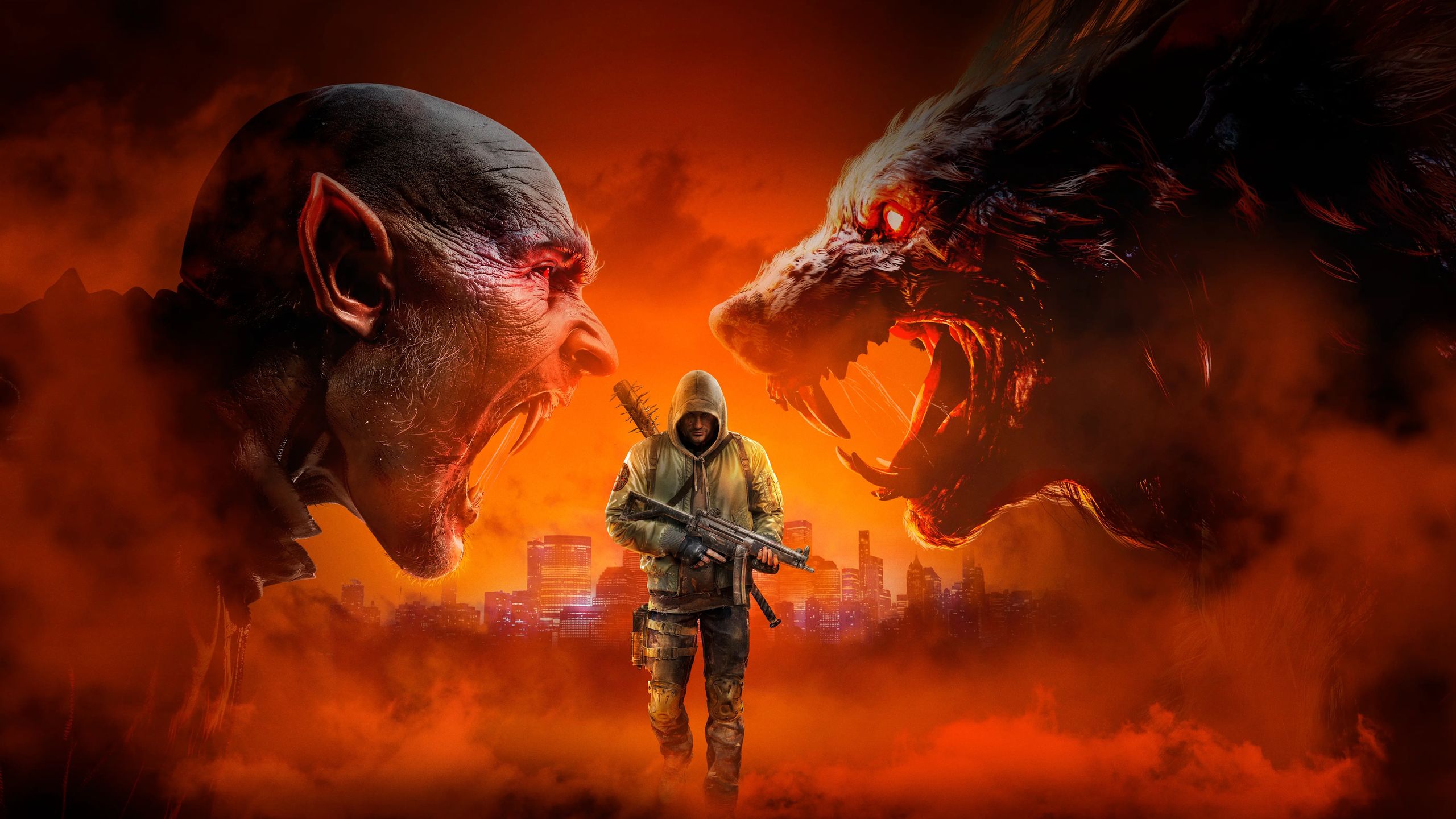
The reveal of Hunter: The Reckoning - Deathwish during the recent Xbox Partner Preview showcase was a moment freighted with mixed signals. While the return of the cult-classic World of Darkness property to video game form generated immediate excitement among genre enthusiasts, the surrounding context threatens to cast a long shadow over its development trajectory. The game, helmed by developer Teyon, is navigating a precarious commercial landscape, primarily due to the financial distress of its publishing partner, Nacon.
Nacon’s Insolvency Impacts Game Trajectory
The excitement surrounding the game’s announcement was immediately tempered by the stark reality of Nacon’s financial situation. Reports confirmed that the French publisher had recently filed for insolvency proceedings, a dramatic development that casts significant doubt over the long-term stability and marketing muscle available for Deathwish. This financial turbulence has naturally become the focal point of numerous community discussions, pivoting the conversation away from gameplay features toward existential concerns regarding the project’s completion and post-launch support.
For a mid-sized title relying on established IP recognition, a stable publisher is crucial for navigating the crowded marketplace. Nacon’s current state raises serious questions about resource allocation moving forward. Will development funding remain consistent? Will the planned marketing budget be drastically curtailed? These are the immediate anxieties gripping fans who remember the troubled launches associated with less-than-secure publishing backings.
The perception of risk associated with the publisher’s legal status inevitably trickles down to consumer confidence. While Teyon has a track record of delivering functional titles, the backing required for a successful AAA-adjacent launch is substantial. The insolvency filing places Deathwish in a precarious position, potentially forcing a pivot toward a leaner development cycle or an accelerated, potentially under-marketed release to secure immediate revenue, irrespective of optimal readiness.
Teyon’s Expanded RPG Focus
Developer Teyon, recognized for successfully adapting established sci-fi properties such as Robocop: Rogue City and Terminator: Resistance, appears keen to leverage their growing pedigree with the World of Darkness universe. The studio’s previous efforts demonstrated an aptitude for capturing specific atmospheric tones, even if the gameplay mechanics occasionally favored function over polish. With Deathwish, the ambition appears significantly elevated.
The official Steam page details a commitment to deepening the role-playing mechanics within the core gameplay loop. While Teyon’s prior titles incorporated RPG elements, the description for Deathwish strongly suggests a more significant investment in character progression, narrative choice, and customization than previously seen from the studio. This shift aims to align the video game experience more closely with the narrative depth inherent in the tabletop source material.
This increased RPG focus signals a move away from purely action-oriented experiences toward a system where player choices and character builds carry greater weight across the game world. Such an undertaking demands significant design and testing resources, adding another layer of complexity to a project already facing external financial pressures.
Gameplay Details Emphasize Stealth and Consequence
Set against the perpetually shadowed backdrop of New York City, Hunter: The Reckoning - Deathwish is positioning itself as a synthesis of stealth, strategy, and consequence-driven narrative. The core gameplay loop revolves around the player assuming the role of a Hunter, tasked with executing supernatural targets while evading detection by mortals and rival factions.
The methodology for dispatching prey is designed to be multifaceted, incorporating infiltration, technological sabotage (hacking), intimidation, and direct combat. Crucially, the narrative framework emphasizes that every action carries weight, suggesting a system where indiscriminate violence or poor planning leads to tangible repercussions on the game state or the Hunter’s standing within the secret society. This focus on meticulous planning is a hallmark of successful stealth-strategy hybrids.
To manage the inherent power imbalance between the Hunters and their often formidable supernatural quarry, the game introduces specialized weaponry and the utilization of Hunter companions. These tools are intended to provide the necessary tactical edge, allowing players to tailor their approach to specific mission parameters and enemy types, moving beyond a simple one-size-fits-all combat solution.
The success of Hunter: The Reckoning - Deathwish will hinge on Teyon’s ability to execute the ambitious RPG systems while Nacon navigates its receivership, potentially requiring a shift in publisher strategy or even a sale of the publishing rights. If the core gameplay loop delivers the promised tactical depth and atmospheric dread, the title could still secure a dedicated audience despite the turbulence. However, without robust marketing and stable funding through the crucial launch window, even the most meticulously designed game risks fading into obscurity.
We project that the immediate future will see intense internal assessment regarding milestone payments and marketing commitments from Nacon’s administrators or any potential acquiring entity. The game’s release window is now intrinsically linked to corporate restructuring timelines, which rarely favor ambitious creative visions. Therefore, expect early indicators of financial stabilization or a clear transfer of publishing duties to dictate the final quality and scope of the launch.
Tags : #HunterTheReckoning #DeathwishControversy #PublisherStruggles #GamingNews #ProfessionalGaming
Confirmed details first, useful context second. This is the quickest path to the source trail and the next pages worth opening.