Imagine being arrested in an open-world anime RPG not for a scripted story beat, but because you actually broke the law while wandering the city. Hotta Studio just flipped the script on the genre with the Neverness to Everness Co-Ex Test, and players are currently scrambling to figure out if they should work off their debt or stage a daring escape.
What this means for players: This shift towards systemic consequence suggests that the game isn't just another flashy combat simulator, but a living city-sim where your actions carry heavy, unavoidable weight. The supernatural urban setting of Hesperia is proving to be far more reactive than the static worlds we have grown accustomed to in the gacha space.
Hotta Studio Redefines Gameplay Mechanics and Latest Features
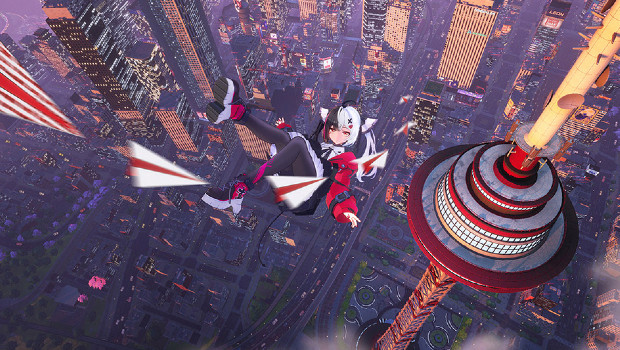
The core of the experience revolves around a highly polished squad-based system. Unlike games that focus on solo protagonists, this title tasks you with building a synergistic team of four. Each character fits into specific roles—Damage, Survival, or Buff—and the fluidity of swapping between them mid-combat is central to the Gameplay Mechanics and Latest Features. The combat feels snappy, emphasizing verticality and the use of supernatural abilities to dismantle "Anomalies" that plague the city streets. However, the game truly shines when you step away from the battlefield.
The "City Tycoon" system is where the game separates itself from the pack. Players aren't just visiting a hub; they are living in it. You can engage in high-stakes street racing, spend a quiet afternoon fishing, or even sit down for a complex game of Mahjong. For those looking for more illicit thrills, the game offers delivery missions and even heists, provided you meet the specific level requirements. This isn't just window dressing; these activities are integrated into the progression loop, rewarding you with resources and reputation that affect how the city's NPCs interact with your squad.
The developer has clearly learned from previous projects, as the Hotta Studio s Neverness to Fall Back Seed of development shows a much more cohesive vision for urban exploration. The city feels dense, filled with interactable shops and hidden secrets that require specific character abilities to access. Whether you are customizing your high-end sports car or decorating a personal apartment, the sense of ownership over your space is a major draw for the long-term player base.
The Shocking Reality of Neverness to Everness Prison Gameplay

The most discussed and polarizing element of the recent Co-Ex Test is undoubtedly the Prison Gameplay. In most open-world games, committing a crime results in a brief chase followed by a "Game Over" or a small fine. Here, the consequences are far more granular. If you are caught by the authorities, you are transported to a correctional facility that operates on a rigid, real-time schedule. This isn't a simple loading screen; it is a dedicated gameplay loop that forces players to make a choice about how they want to handle their "sentence."
Once inside, you have three primary options: pay a hefty fine to be released immediately, put in the work by completing manual labor tasks to reduce your sentence, or attempt a high-stakes breakout. The escape route is particularly difficult, requiring stealth and mastery of the game's movement mechanics, but it offers a thrill that few other titles in this category provide. This mechanic adds a layer of tension to every street race and heist, making the player weigh the potential rewards against the very real risk of being sidelined in a digital cell.
Community reactions have been split down the middle. Some players praise the immersion, noting that it makes the world feel dangerous and authentic. Others worry that being "locked out" of standard content might feel punitive during limited-time events. Hotta Studio is clearly using this test phase to gauge how much friction the audience is willing to tolerate in exchange for a more believable world. It is a bold experiment that moves the genre away from mindless power fantasies toward something more systemic and unpredictable.
Monetization and Gacha System Details Revealed via The Fair
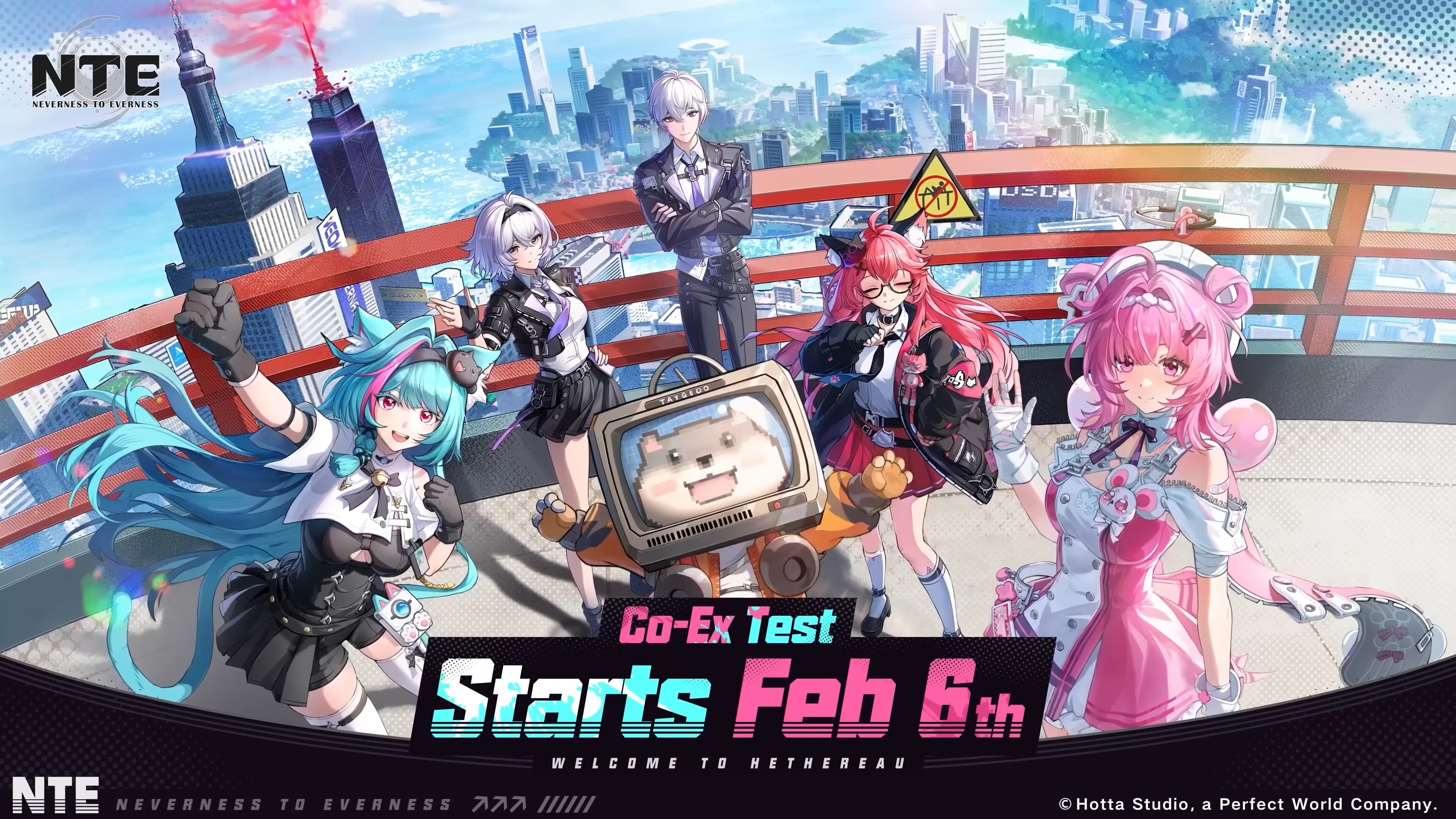
No modern live-service title is complete without its monetization strategy, and the Monetization and Gacha System Details for this project are surprisingly visual. The system, known as "The Fair," is presented as a stylized board game. Instead of just clicking a button and seeing a flash of light, players can visualize their path toward their desired S-Class characters. This adds a layer of gamification to the pulling process, though the underlying math remains familiar to veterans of the genre.
The Fair features two distinct banners: one dedicated to limited-time S-Class characters and another for the standard S-Class roster. The pity system is transparent, guaranteeing an A-Class character every 10 rolls and a coveted S-Class character at the 90-roll milestone. This 90-pull hard pity is standard for high-budget titles, but the board game presentation makes the progression feel less like a gamble and more like a steady march toward a goal. It remains to be seen how generous the free-to-play currency income will be, but the structure is solid and predictable.
Managing your resources will be key, especially since the squad-based nature of the game encourages a diverse roster. With roles like Survival and Buff being just as important as raw Damage, players won't be able to simply "hyper-carry" with a single character. You will need a balanced team to tackle the late-game Anomalies and high-tier heists. The visual clarity of The Fair is a welcome change, potentially reducing the "gacha fatigue" that often sets in when players feel like they are throwing resources into a black hole.
The success of this title depends entirely on whether the systemic consequences feel like a fun challenge or a tedious chore for the average gacha fan. If Hotta Studio can balance the high-stakes city simulation with the power fantasy of its combat, they might just steal the crown from industry leaders. Expect the next test phase to focus heavily on refining these systemic consequences based on the current polarizing feedback.
Frequently Asked Questions

What is the Hotta Studio s Neverness to release date?
There is no official global release date yet, as the game is currently undergoing limited Co-Ex Testing to refine its systems. Most industry analysts expect a launch window late in 2025 or early 2026 across PC, mobile, and consoles.
How does the Prison Gameplay work in Neverness to Everness?
If caught committing crimes in the open world, players are sent to a facility where they must choose between paying a fine, working, or escaping. This mechanic introduces real consequences for illegal actions like failed heists or reckless driving.
Is the gacha system in Neverness to Everness fair for F2P players?
While the game uses a 90-pull pity system for S-Class characters, the "Fair" board game mechanic provides a clear visual path for progression. The true fairness will be determined by how much currency is earnable through in-game activities like the City Tycoon missions.
Confirmed details first, useful context second. This is the quickest path to the source trail and the next pages worth opening.
Source date: April 29, 2026