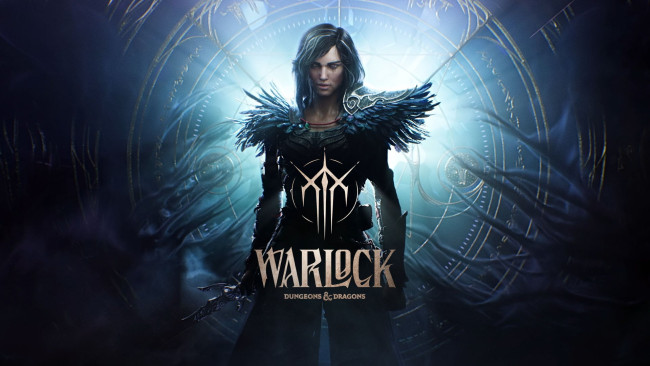
Hasbro CEO Signals Shift Away from Live-Service Gaming Model
The gaming industry is seeing a monumental shift in strategy, and Hasbro is at the epicenter. After years of massive investments in the volatile live-service model, the company is pivoting hard, signaling a clear strategic retreat from the genre.
Key Takeaways:
- Hasbro is prioritizing predictable revenue streams over high-risk, high-cost live-service titles.
- The pivot suggests a broader industry trend questioning the long-term profitability of the live-service model.
- Focus is returning to traditional, self-contained video game development for safer long-term game returns.
The announcement isn't just a corporate adjustment; it's a structural re-evaluation of modern gaming economics. What this means for players: Expect a possible return to more focused, narrative-driven, and contained gaming experiences from Hasbro's IPs.
The CEO's recent explanation detailing the brand strategy confirms that the escalating and rising development costs associated with live-service titles are proving too volatile. This strategic shift away from live-service is a direct response to market maturity and financial pressure.
For years, the industry celebrated the "live-service" model—massive, always-online, perpetually updating games that generate endless revenue streams. But the math, as Hasbro’s leadership has pointed out, is changing. The cost of maintaining a constant content pipeline, coupled with the unpredictable market demands of a global audience, has created a financial minefield. The company argues that traditional video game development, while requiring up-front investment, offers a much safer and more stable path to profitability.
Hasbro’s Financial Rationale for the Pivot

The financial argument is crystal clear and highly impactful. Developing a live-service game requires not just the initial budget, but perpetual funding for servers, content patches, and constant operational overhead. This escalating expense structure significantly increases the risk profile for the publisher.
The CEO’s explanation detailed the need for a more predictable Return on Investment (ROI). Instead of betting billions on a single, sprawling, always-on digital world, Hasbro is repositioning itself to maximize the value of its core intellectual property (IP) through finite, polished, and self-contained games. This move minimizes the exposure to the unpredictable nature of player engagement curves.
This pivot isn't about abandoning the digital space entirely; it's about changing the *method* of engagement. The company is signaling a return to the foundational strength of its brand portfolio—the core games—and translating those strengths into high-quality, traditional video game returns. This model allows for tighter control over scope, quality, and, crucially, budget.
Industry Implications of Hasbro's Strategy
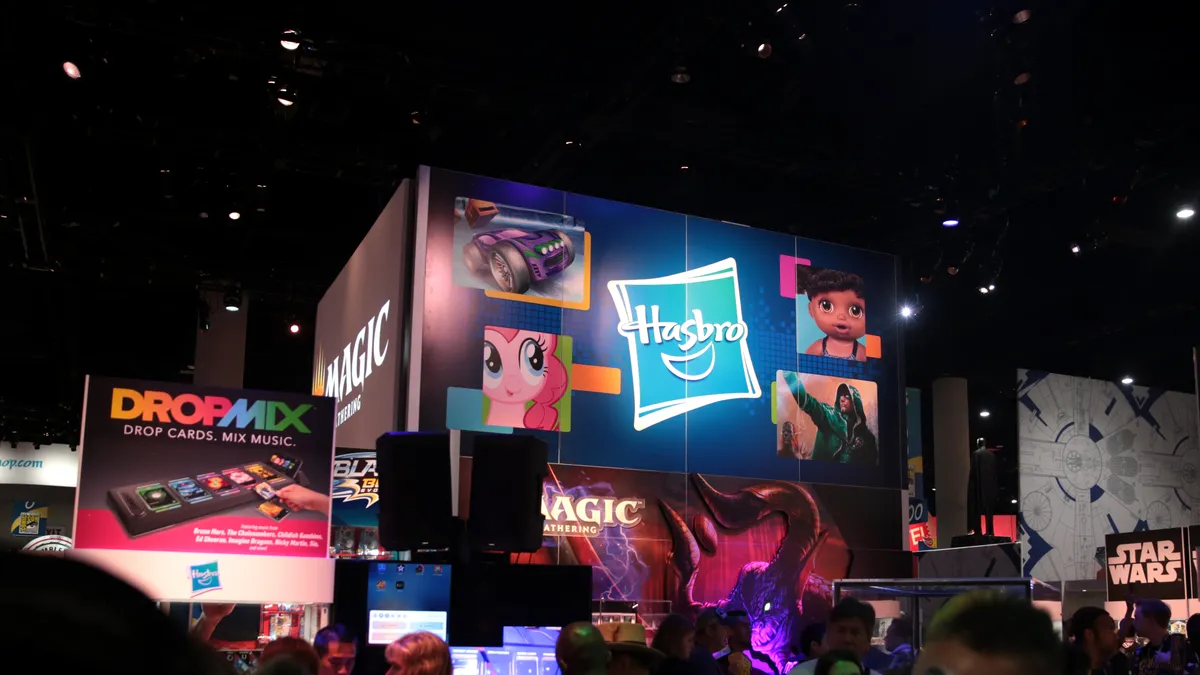
Hasbro’s decision sends a powerful signal that reverberates throughout the entire gaming industry. It suggests that the initial hype and perceived endless revenue potential of the live-service model may have reached a saturation point, prompting major publishers to reassess their risk tolerance.
The move validates the argument that while live-service games offer massive theoretical revenue, the actual, sustainable profits are often eroded by the sheer cost of content maintenance. This trend may lead other major players to reconsider their development pipelines, favoring smaller, more manageable, but equally high-quality releases.
What does this mean for the future of gaming? It points toward a potential renaissance of the "premium experience." Publishers may focus on fewer, more impactful titles that deliver a complete, polished journey, rather than endless, sometimes shallow, seasonal content updates. The market is demanding depth and quality over infinite grind.
This shift doesn't necessarily mean a decline in quality, but rather a refinement of focus. By prioritizing the inherent value of its established brands, Hasbro can create more sustainable and predictable development cycles. The focus moves from keeping players engaged indefinitely at any cost, to delivering a masterful, finite experience that commands a premium price point.
This calculated adjustment underscores the maturity of the industry. Publishers are learning to distinguish between hype-driven revenue spikes and stable, long-term financial health. The willingness of Hasbro to publicly explain this strategy is a major piece of insight for every developer and investor watching the market.
Frequently Asked Questions
What does the Hasbro shift away from live-service mean for players?
It suggests a potential increase in the number of self-contained, polished, and narrative-heavy titles. Players may see a greater focus on story and core gameplay mechanics over endless seasonal updates.
Are live-service games permanently losing relevance?
Not necessarily, but the model is maturing and facing intense scrutiny over its costs. Major publishers are now more cautious, requiring clearer, more defensible ROI plans.
Why is the traditional video game model considered safer financially?
Traditional development allows for a finite scope and clear completion goals, making budgeting and predicting the final profit margins much more straightforward than perpetual online service models.
Industry experts predict this trend will accelerate across the board. We anticipate that publishers will increasingly benchmark success not by daily active users, but by the critical reception and long-tail sales of a premium, finished product. This signals a return to the foundational pillars of game design.
The focus on brand IP quality will also likely lead to more cross-platform synergy between Hasbro's physical toys, board games, and digital releases. Expect to see a more cohesive, premium brand experience rather than siloed gaming divisions.
Ultimately, this pivot confirms that sustainable profit in gaming is built on disciplined development and respected intellectual property, not just constant, expensive content generation.
Confirmed details first, useful context second. This is the quickest path to the source trail and the next pages worth opening.
Source date: May 21, 2026