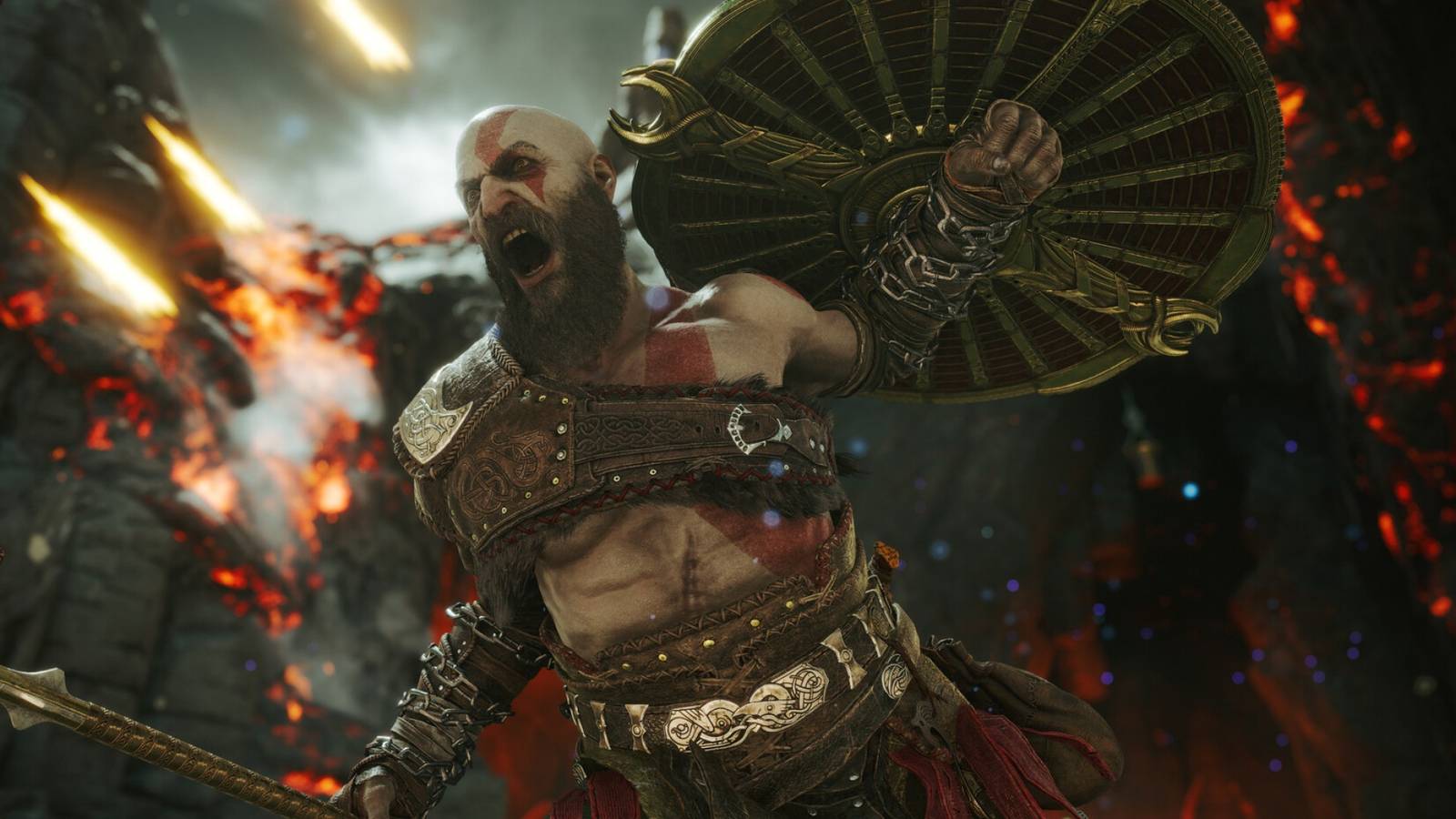
Analyzing the God of War Reveal Timeline
The persistent speculation regarding the next mainline entry in the God of War franchise has reached a fever pitch, with recent reports suggesting a potential reveal window around April 2026. This rumor, published by Gamerant on April 12, 2026, has ignited intense discussion among the fanbase, prompting a deep dive into the current development status and the historical patterns of Sony Santa Monica’s major releases. It is critical to understand that, as of the current moment, there are no confirmed dates, official developer statements, or verifiable gameplay details to substantiate this timeline. The information circulating remains purely speculative, relying on industry chatter and pattern recognition rather than concrete evidence.
The significance of this rumor lies not in its veracity, but in the palpable anticipation it generates. For years, the God of War series has set a benchmark for narrative depth and visceral combat in the action RPG genre. Any credible suggestion of a new chapter—especially one tied to a specific month—immediately shifts the focus of the entire gaming community. Readers should care because the timing of such a reveal dictates the entire development cycle for the next generation of gaming hardware and software. If a reveal is imminent, it signals a major shift in the industry's focus, potentially impacting other AAA titles and setting new expectations for cinematic quality.
When analyzing the source material, the primary focus must remain on the gap between the last major title and the current speculative window. The development cycle for a game of this magnitude—one requiring the polish and narrative complexity of the previous installments—is notoriously long. Industry veterans suggest that even if the initial concept is greenlit, the actual playable content years away. Therefore, while the April 2026 date provides a focal point for discussion, the community must approach it with extreme caution, treating it as a high-level rumor rather than a guaranteed announcement.
How New Entries Impact Gameplay and Lore
Should a new God of War title materialize, the immediate questions revolve around two core pillars: the narrative direction and the mechanical evolution of the combat system. The previous games successfully balanced mythological scope with deeply personal character drama, a formula that has proven incredibly sticky with players. Any new installment must maintain this delicate balance while also justifying its existence in the current technological landscape.
Players have historically anticipated several key changes. One major area of focus is the potential expansion of the mythological scope. While the Norse pantheon provided a rich, contained setting, the franchise has always hinted at broader, perhaps even cosmic, conflicts. A new game could potentially expand the scope beyond the immediate realm of gods and monsters, touching upon deeper, more universal conflicts that challenge the very nature of divinity and mortality.
Furthermore, the combat mechanics are always under the microscope. The combat system has evolved significantly, moving from more linear action to a highly customizable, visceral experience. Industry analysts predict that any next-generation title will leverage advanced hardware capabilities, potentially introducing:
- Deepened Customization: Allowing players more granular control over weapon synergy and combat flow.
- Environmental Interaction: Integrating the combat more seamlessly with the destructible and dynamic elements of the game world.
- Narrative Combat Shifts: Introducing combat scenarios that are not just physical confrontations but require complex moral or tactical choices that affect the story's outcome.
The narrative impact is equally profound. The character arcs of Kratos and Atreus have been central to the series' success. A new game must not only continue their journey but must also provide a compelling reason for their continued struggle. The stakes are always personal, even when the conflict is cosmic, and that emotional anchor is what keeps the fanbase engaged and speculating.
The Risk Behind the Speculative Timeline
The most significant risk associated with any rumor, especially one concerning a franchise as massive and highly anticipated as God of War, is the potential for over-excitement leading to disappointment. The current lack of confirmed details means that the entire narrative surrounding the April 2026 date is built on conjecture. This is a crucial distinction that every player must internalize.
The industry has seen cycles of hype followed by periods of silence. This pattern is not unique to Sony Santa Monica, but it is a constant factor in the AAA gaming market. The risk, therefore, is not necessarily that the game won't happen, but that the *timing* or the *scope* of the eventual reveal will fail to meet the astronomical expectations built up by years of speculation and rumor-mongering. Developers operate under immense pressure, and managing that pressure while maintaining creative integrity is a monumental task.
For the gaming market, the risk is also one of resource allocation. If a major reveal is indeed planned for 2026, it will immediately shift the focus of competitors and rivals. This creates a high-stakes environment where every piece of leaked information, every cryptic developer tweet, and every speculative article gains disproportionate weight. This intense scrutiny, while good for marketing, can also lead to premature conclusions and misinterpretations of internal development notes.
To summarize the current state of knowledge, the following points must be considered:
- Source Reliability: The information regarding the April 2026 reveal is sourced from a third-party publication (Gamerant) and lacks primary developer confirmation.
- Development Status: The actual development phase of the next title remains unconfirmed, meaning the timeline is highly fluid.
- Player Action: Players should treat all current details as exciting speculation, not as actionable news.
The next concrete watchpoint for the community remains the official communication channels of Sony Santa Monica. Until a trailer drops, a developer blog post is published, or a major industry event confirms the details, the timeline remains a highly volatile rumor.
When is the next God of War game confirmed?
There is no confirmed date for the next God of War game. All current reports suggesting a reveal in April 2026 are unconfirmed rumors.
Will the next game be on PS5?
While the previous titles were highly optimized for modern consoles, the next game's platform is not confirmed. It is expected to leverage the full power of current-generation hardware.
What is the biggest change expected in gameplay?
Speculation points toward deeper environmental interaction and more complex customization of the combat system, moving beyond the established combat loops.
Confirmed details first, useful context second. This is the quickest path to the source trail and the next pages worth opening.
Source date: April 12, 2026