Walking through a digital Shibuya so detailed you can almost smell the rain on the pavement is no longer a pipe dream for fans of the genre. The recent global launch of the urban open-world anime RPG, Neverness to Everness, has sent shockwaves through the industry, proving that the bar for immersive virtual worlds has been permanently raised.
Why this matters: The meteoric rise of Neverness to Everness exposes a massive resource gap that could leave legendary Japanese studios struggling to keep pace with international competitors. What was once a niche sub-genre has evolved into a high-stakes arms race where only the most well-funded giants can survive.
Neverness to Everness Captures Global Attention
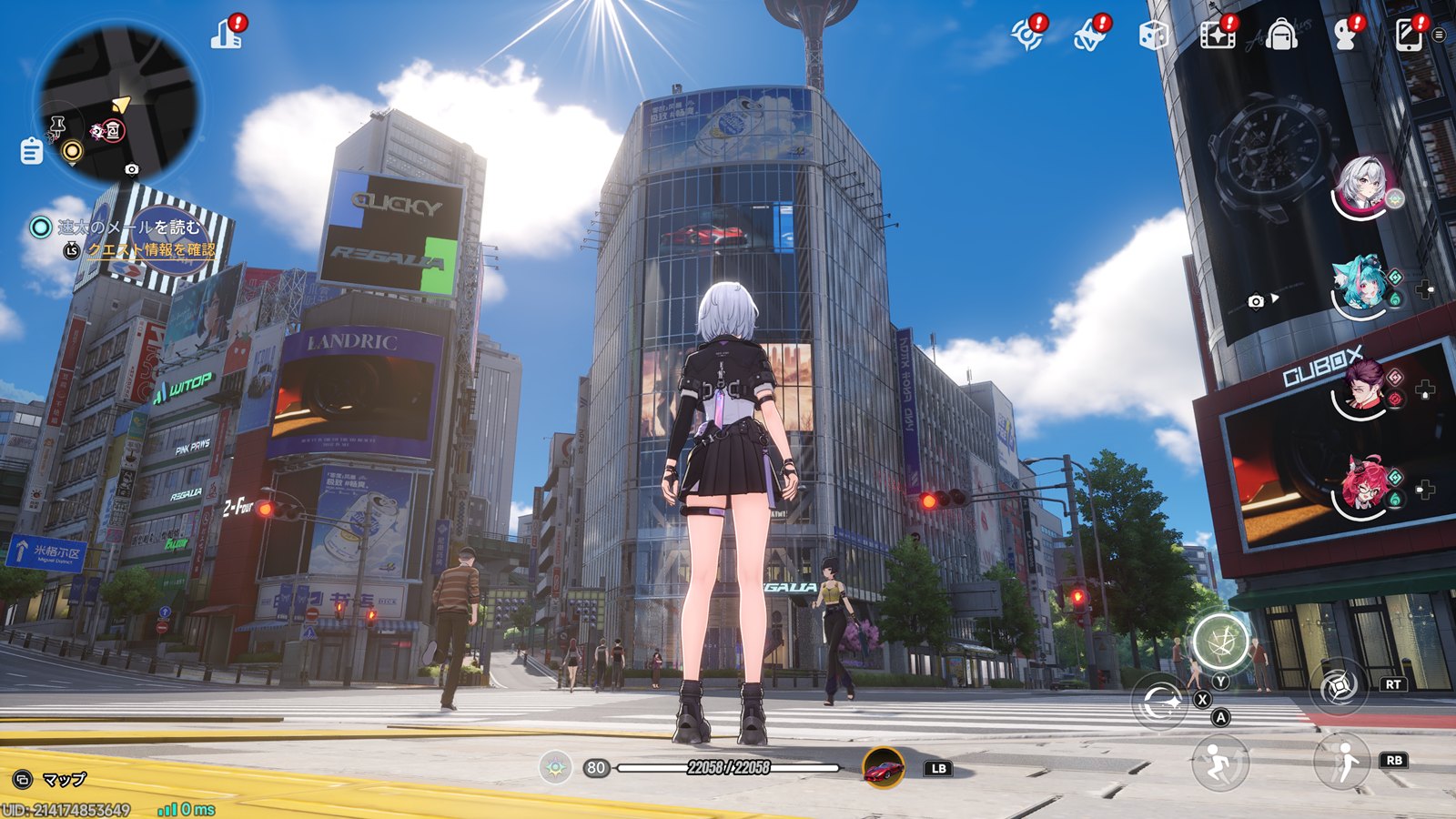
Since its launch on April 29, the gaming world has been fixated on the sheer scale of Neverness to Everness. Developed by Hotta Studio, the game doesn't just offer a stylized fantasy world; it delivers a hyper-meticulous recreation of iconic real-life Japanese locations. From the neon-soaked streets of Akihabara to the frantic energy of Shibuya, the level of architectural fidelity is staggering.
This commitment to realism has triggered massive social media virality, particularly among Japanese players. Seeing their own neighborhoods rendered with such precision in an anime RPG has created a unique cultural resonance. Clips of players navigating familiar train stations and storefronts have racked up millions of views, turning the game into a digital tourism phenomenon almost overnight.
However, beneath the flashy visuals and viral clips lies a sobering reality for the domestic industry. While players celebrate the technical achievement, industry veterans are looking at the production credits with a sense of mounting dread. The sheer game development capacity required to build a world this dense is something few studios can currently match.
Alwei Warns of Shrinking Development Capacity
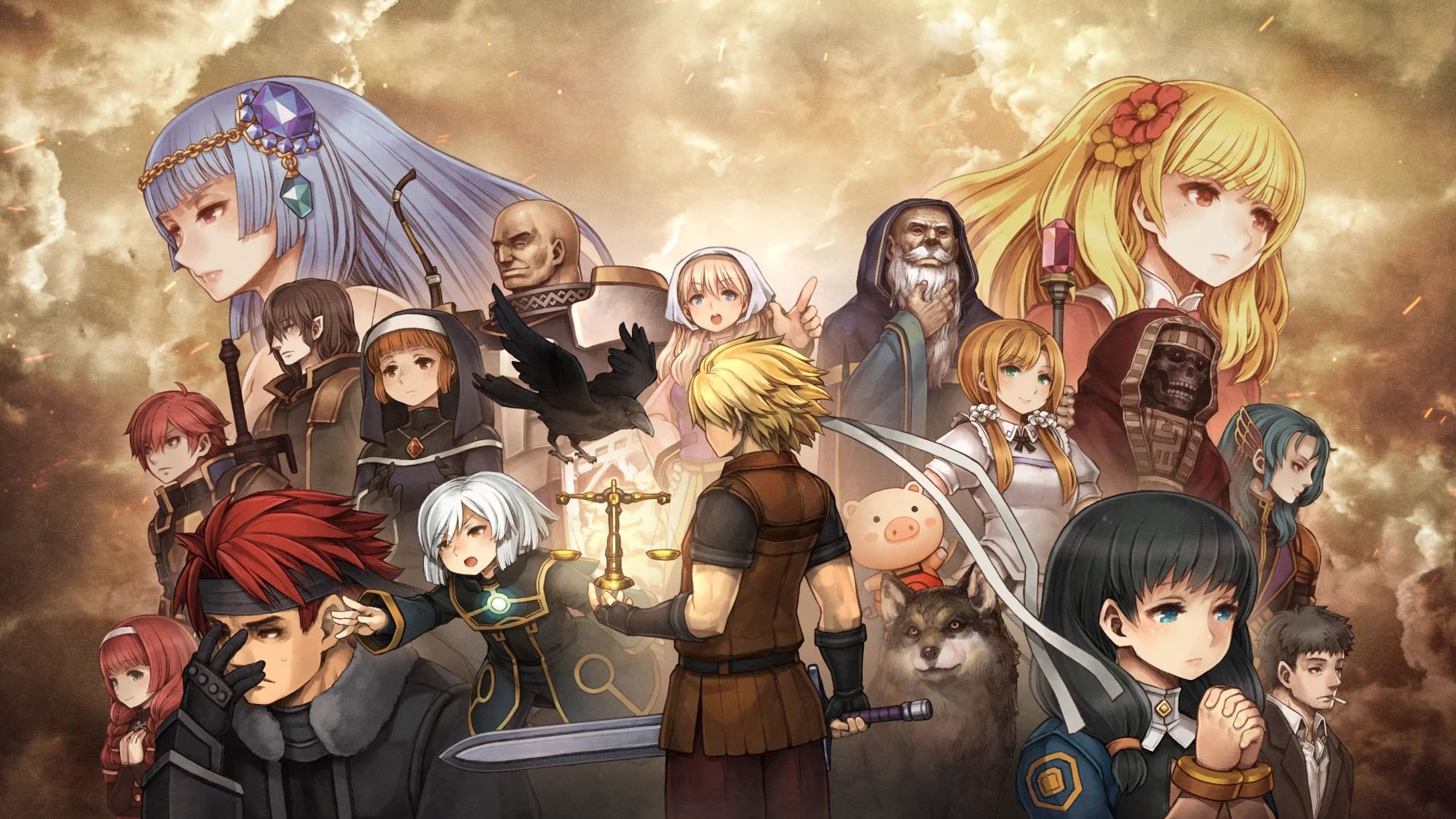
The conversation took a serious turn when Alwei, a prominent figure from Indie-Us Games, weighed in on the NTE phenomenon. According to Alwei, creating a game of this magnitude within the current Japanese infrastructure is "impossible." This isn't a critique of talent, but a harsh assessment of logistical reality.
The primary bottleneck is the need for highly specialized talent capable of managing massive content volumes. Modern open-world titles require thousands of unique assets, complex AI behaviors, and seamless optimization. Alwei points out that the specialized manpower required to maintain this level of quality is increasingly concentrated in a few global hubs, leaving others behind.
Furthermore, stricter Japanese labor and overtime regulations have become a double-edged sword. While these laws protect workers, they also make it difficult for domestic studios to compete with the sheer output of international teams. Without the ability to scale up rapidly or sustain intense production cycles, the gap in game development capacity continues to widen between Japan and its neighbors.
Sean Noguchi Discusses Massive Financial Hurdles

It isn't just about people; it's about the cold, hard cash required to keep the lights on. Sean Noguchi of EA Japan recently highlighted the terrifying financial reality of modern "Triple-A" development. He recalled that any project aiming for a GTA-scale open world now requires a minimum budget of 20 billion yen.
These staggering budget gaps are becoming the defining characteristic of the current console and PC generation. For many Japanese producers, securing that level of funding for a new IP is an uphill battle. Most domestic firms are more comfortable with mid-budget titles that offer safer returns, but Neverness to Everness has proven that the audience is hungry for something much more ambitious.
This financial disparity is most evident when looking at the animation resources available to top-tier Chinese studios. Producers like Ukyo have noted that leading teams in China can mobilize upwards of 200 people for a single title, focusing solely on high-end animation and asset creation. In contrast, many Japanese studios struggle to staff even a fraction of that number for a comparable project.
Japanese Players Drive Social Media Virality
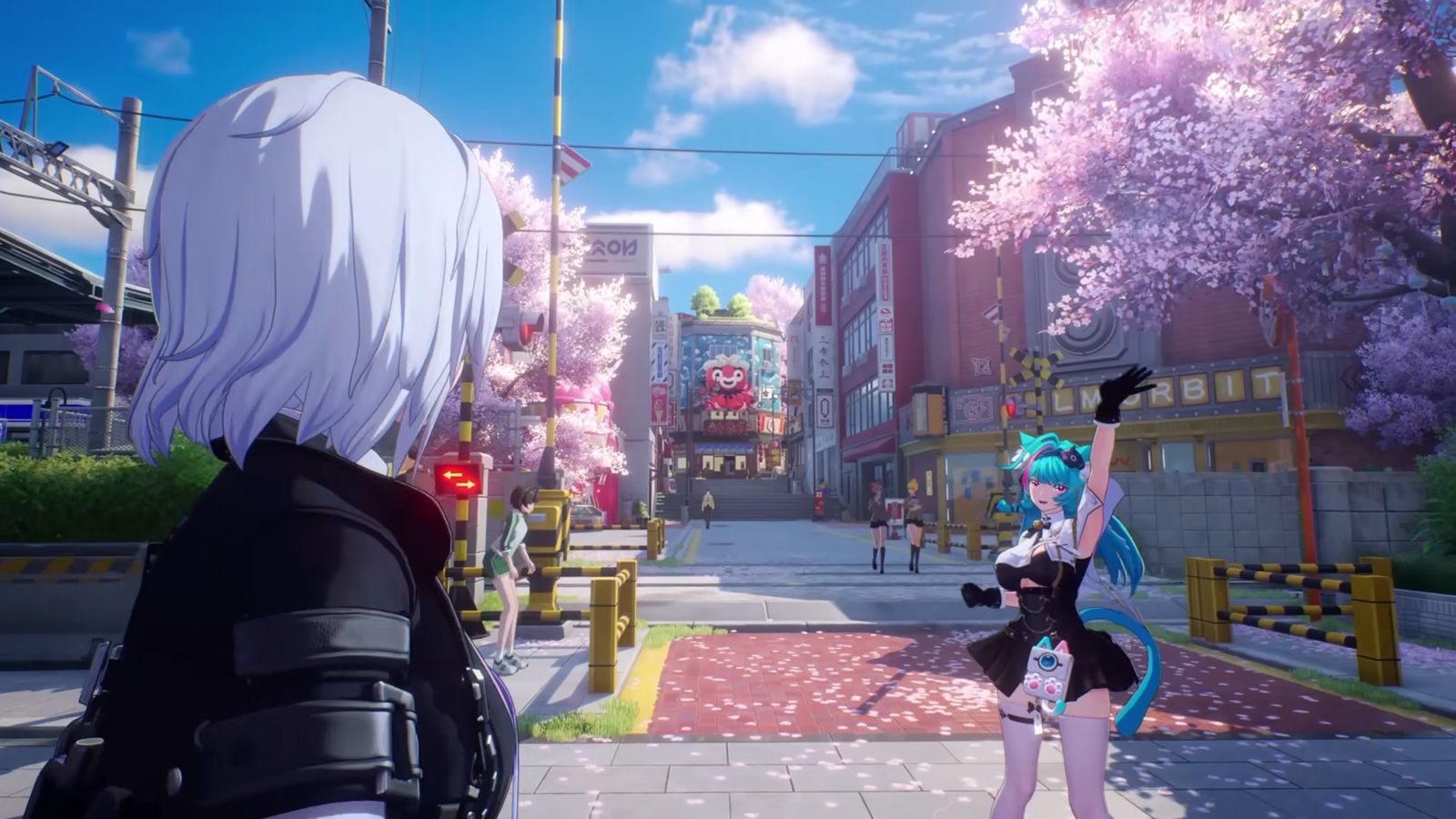
The irony of the situation is not lost on the community. Japanese players are the ones fueling the social media virality of a game developed abroad that recreates their own culture more effectively than many local projects. This cross-border success story is a testament to the universal appeal of the anime aesthetic when paired with world-class technical execution.
Social media platforms have been flooded with side-by-side comparisons of the game's environments and their real-world counterparts. These posts don't just show off the graphics; they highlight a level of care and "otaku" sensibility that resonates deeply with the core audience. The success of Neverness to Everness suggests that "cultural accuracy" is a powerful tool for engagement, regardless of where the developers are based.
As the divide grows, the industry is forced to confront a difficult question: Can creativity overcome a lack of resources? While Japan remains a powerhouse of IP and character design, the structural disparities in manpower and corporate financial capacity are becoming too large to ignore. The era of the "scrappy" open-world hit may be coming to an end, replaced by a new age of industrial-scale game production.
Industry analysts expect a wave of consolidation as mid-sized Japanese firms seek partnerships to match the scaling power of international rivals. We will likely see more "co-development" projects where Japanese IP is handled by massive overseas production houses to maintain visual parity. This shift marks the end of the boutique era for high-end anime RPGs, moving instead toward a "survival of the biggest" landscape.
Frequently Asked Questions
When was the Neverness to Everness release date?
Neverness to Everness officially launched its global service on April 29, featuring a massive urban open world.
Why is Neverness to Everness trending among Japanese players?
The game features incredibly accurate recreations of locations like Akihabara and Shibuya, which has sparked massive social media interest in Japan.
What makes Neverness to Everness different from other anime RPGs?
It combines a high-budget urban open-world setting with deep supernatural elements and vehicle customization, a scale rarely seen in the genre.
Confirmed details first, useful context second. This is the quickest path to the source trail and the next pages worth opening.
Source date: May 6, 2026