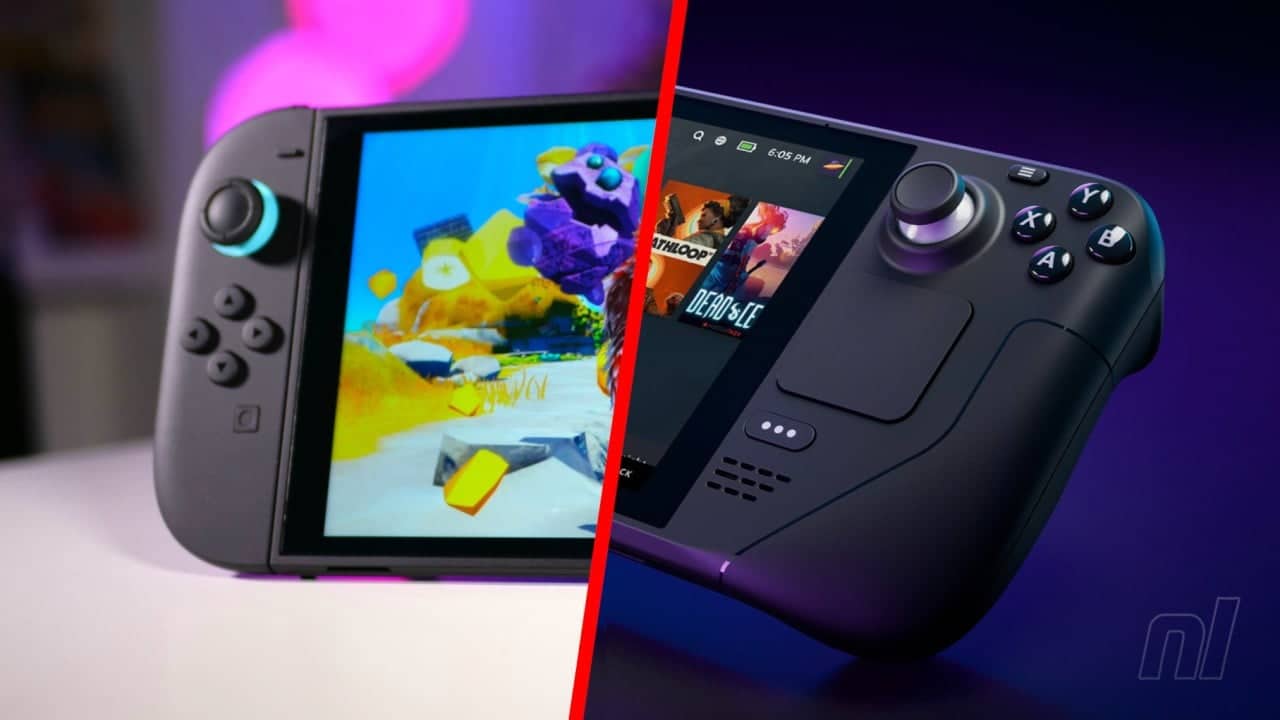
Steam Deck OLED and Nintendo: Console Price Hikes Impacting Gamers

The console market just got significantly more expensive. If you were budgeting for a major gaming upgrade, take a deep breath, because both Valve and Nintendo have confirmed substantial price jumps on their flagship devices. The latest news confirms a massive Steam Deck OLED price jump, forcing devoted fans to reassess their budgets, while Nintendo is raising the cost of its new hybrid unit. What does this mean for players: the days of unexpected deals may be harder to come by, signaling a sustained period of rising component costs across the industry.
The sheer scale of the price hikes is the story here. Valve’s OLED models, in particular, saw jumps that could shock even the most dedicated PC gamers. The industry shift suggests that powerful hardware and unique form factors are now commanding a premium, regardless of platform. This report details exactly what these changes mean for your wallet and your gaming library.
Key Takeaways:
- Valve increased the Steam Deck OLED price substantially, with the 1TB model seeing a $300 jump.
- Nintendo is raising the price of its new hybrid unit, which will roll out to Western markets in September.
- Both companies cite 'component uncertainties' as the primary driver behind the cost increases.
Valve's Major OLED Price Jump Confirmed
For the Valve community, the news is immediate and impactful. Valve has significantly increased the price of the Steam Deck OLED system, marking substantial jumps for both the 512GB and 1TB models. This isn't a minor adjustment; these are major, headline-grabbing increases that immediately recalibrate the Valve Steam Deck OLED cost.
The numbers are stark. The 512GB OLED model jumped $240, moving from $549 to $789. The 1TB OLED model experienced an even larger jump of $300, rising from $649 to $949. For those who were planning to upgrade to the OLED panel, prepare for a serious budgetary crunch. It is worth noting, however, that the price of the existing LCD model Steam Deck remains untouched, offering a clear alternative for those who want to save significant cash.
These new regional pricing tiers are set at $789/£649/€779 for the 512GB unit and $949/£779/€919 for the 1TB model. This pricing confirms that the OLED screen upgrade, while visually superior, comes with a steep price tag, redefining the current market for portable gaming.
Nintendo's Pricing Adjustments for Hybrid Systems
The rising cost trend isn't limited to PC gaming. Over across the console landscape, Nintendo is implementing its own price increases. The company is raising the price of its new hybrid unit (featuring an LCD panel) from $449.99 to $499.99. This news is particularly relevant for players considering a versatile, portable system.
These price revisions are already active in Japan and are scheduled to roll out to Western markets this September. This move contributes to the rising cost of the overall hybrid gaming system price. Nintendo President Shuntaro Furukawa cited 'uncertainties' regarding component prices, suggesting that these cost pressures affect projections not only for the upcoming year but potentially for 2026 as well.
The combined effect of these two changes—the massive Steam Deck OLED price jump and the Nintendo adjustments—paints a picture of a rapidly inflating console market. It forces players to weigh performance and display quality against an ever-increasing price tag.
| System | Model | Old Price | New Price |
|---|---|---|---|
| Steam Deck OLED | 1TB OLED | $649 | $949 |
| Nintendo Hybrid | New Unit (LCD) | $449.99 | $499.99 |
The jump in the Steam Deck 1TB price, coupled with the Nintendo adjustments, underscores a clear industry trend: component scarcity and logistics are being passed directly to the consumer. The rising Nintendo Switch 2 price increase is not an anomaly; it reflects broader global supply chain pressures affecting all major players.
What Does This Mean for Future Console Pricing?
The message from both Valve and Nintendo is consistent: high-quality, feature-rich portable gaming experiences are entering a more expensive era. The cost increases aren't just about the OLED panel or a minor system refresh; they are reflections of global economic headwinds impacting the supply chain for advanced electronics.
Considering these factors, consumers need to be prepared for higher entry costs across the board. Future console generations, regardless of their original launch date, are likely to follow this pattern of premium pricing.
If you are waiting for a specific discount or a massive price drop, the current data suggests patience may be costly. Instead, focusing on the specific features—like the superior OLED display or the continued portability of the hybrid units—might be the best way to justify the increased Steam Deck OLED price jump.
Industry analysts predict that this trend of increasing component costs will continue to define the next 18 months of gaming hardware releases. Expect manufacturers to prioritize premium features and high-end components, further stabilizing the higher price points established by Valve and Nintendo. Consequently, the market for portable gaming hardware is shifting toward a higher-cost, higher-specification baseline.
Frequently Asked Questions
How does the Steam Deck OLED price jump affect budget gamers?
The increased cost of the OLED model requires a higher initial investment. Budget gamers may need to consider the older LCD model or wait for potential sales, as the new pricing significantly raises the entry barrier for top-tier performance.
Will the Nintendo Switch 2 price increase happen everywhere?
Nintendo has announced the price revisions for the hybrid unit are active in Japan and are scheduled to roll out to Western markets in September. This phased rollout suggests regional timing differences for the full price adjustment.
Are the price increases due to component shortages?
Both Valve and Nintendo cited component uncertainties and rising costs as the primary reason for the price hikes. This points to broader global supply chain pressures affecting advanced electronics manufacturing.
Confirmed details first, useful context second. This is the quickest path to the source trail and the next pages worth opening.
Source date: May 28, 2026