
The biggest AAA publisher in Japanese gaming just got slammed by a former executive, accusing the company of letting its most beloved IPs wither on the vine. Can Square Enix fix its crumbling relationship with its core franchises, or are they facing a systemic crisis that threatens decades of gaming history?
What this means for players: The conversation has shifted from *if* Square Enix can modernize its titles, to *how* it can execute a massive, structural shift in its business model to keep up with modern gaming demands.
- Former director Jacob Navok argues Square Enix has failed to bring core IPs, like Final Fantasy, to new generations.
- He proposes using a continuously updating, free-to-play model, citing Final Fantasy 14 as a technical base.
- The key to survival, according to Navok, is cutting internal corporate "red tape" to enable rapid innovation.
This isn't just boardroom gossip; it's a full-scale critique of the company's entire operational philosophy. The former director’s scathing remarks point directly at the need for a radical Square Enix live-service overhaul strategy, a move that could redefine the company's future.
Navok Slams Square Enix's IP Strategy

The criticism leveled by Jacob Navok is blunt: Square Enix is struggling with relevance. According to the former director, the company has fundamentally failed to introduce popular, high-potential IPs—the kind that built modern gaming—to new generations of players. The core complaint isn't about a single failed game; it's about an organizational paralysis.
Navok argues that the sheer weight of internal process, what he calls "excessive red tape," is actively stifling the innovation needed to compete in the hyper-fast modern market. For a publisher whose success relies on timely, massive releases, this bureaucratic friction is a ticking time bomb. The critique highlights a pattern of the Square Enix failure to reach new generation audiences, trapping beloved franchises in expensive, high-risk development cycles.
The stakes are incredibly high. When a company’s history is built on cultural touchstones like Final Fantasy, stagnation isn't just a business problem—it's a betrayal of the player base that invested decades of passion into those worlds. Navok's critique is essentially a plea for the company to stop protecting its old ways and embrace modern, agile development.
FFXIV Blueprint for Modern Growth

So, what does a radical overhaul look like? Navok doesn't just complain; he provides a detailed blueprint. His proposed solution centers around leveraging existing, successful infrastructure, specifically pointing toward Final Fantasy XIV. The core idea is to build a continuously updating, free-to-play experience that can sustain years of content and engagement without the massive, risky investment of a full new AAA title.
This shift moves the focus from single, massive launch titles to an ongoing service model. He envisions a structure that doesn't just rely on the main game loop but actively incorporates modern, collaborative elements. One highly provocative example cited is a potential K-pop Demon Hunters Final Fantasy collaboration. This isn't just a crossover; it's a model for how modern IP can be revitalized by connecting seemingly disparate cultural touchpoints—music, action, and classic fantasy—into a single, continuous experience.
This concept directly addresses the need for Final Fantasy IP modernization ideas. By making the game fundamentally free-to-play, the barrier to entry drops dramatically, allowing the title to tap into a global audience that might never have purchased a $70 premium title in the first place. This points toward the immense potential of a Final Fantasy 14 free-to-play potential, making the entire franchise more accessible and less reliant on the traditional retail model.
Cutting Red Tape in Square Enix
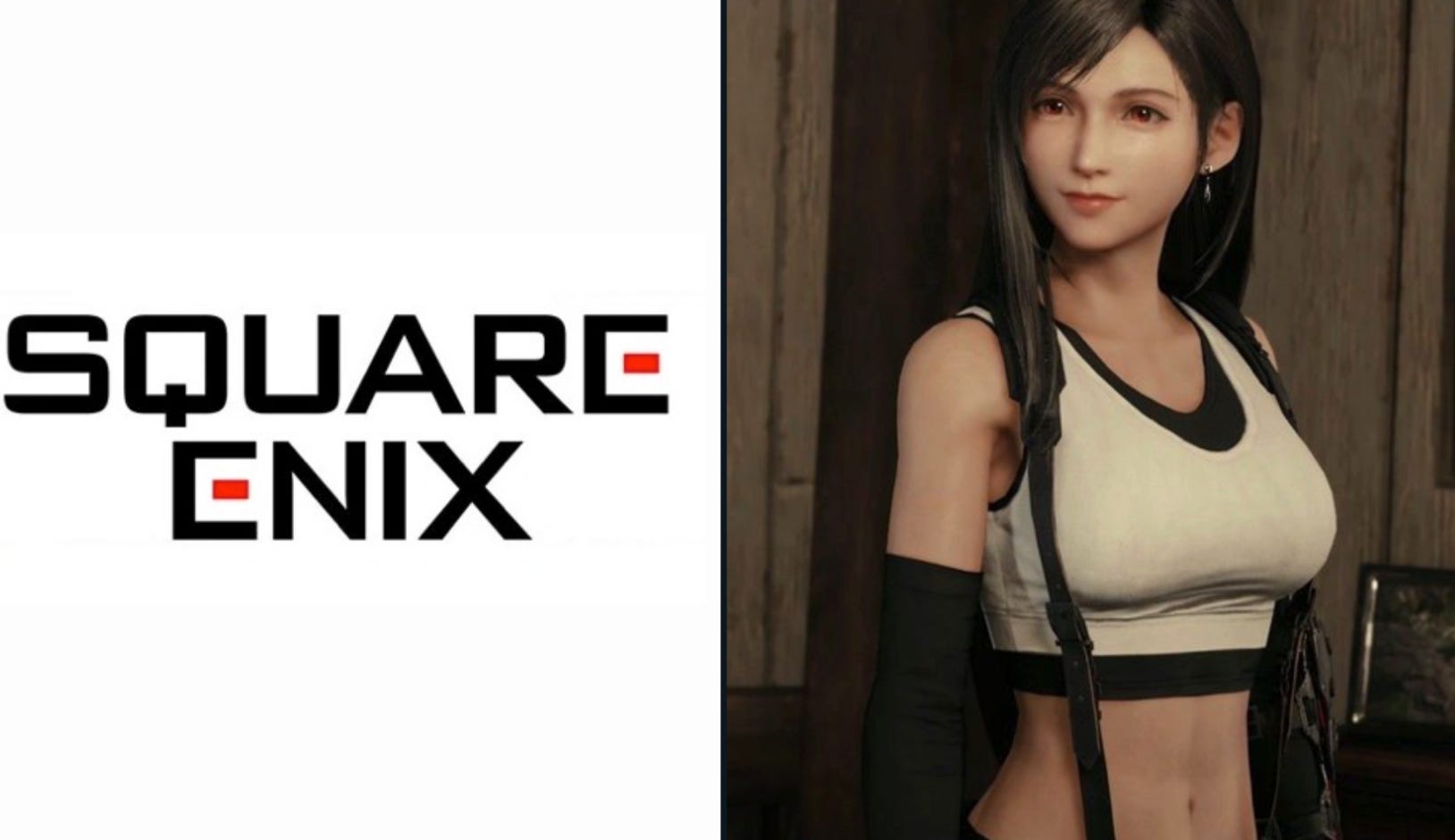
Ultimately, the most critical hurdle isn't technical; it's corporate. Navok insists that the CEO must radically restructure the company's internal processes. The sheer amount of internal bureaucracy is preventing the company from making the quick, decisive pivots needed to succeed in the modern gaming landscape. The proposed Square Enix live-service overhaul strategy, therefore, is as much about corporate culture as it is about gameplay mechanics.
The goal must be agility. Instead of siloed departments guarding their budget and their ideas, the company needs a structure that encourages rapid prototyping, cross-genre collaboration, and a willingness to fail fast. This is the foundational shift that must precede any successful Square Enix live-service overhaul strategy. Without the executive will to dismantle the internal roadblocks, even the best creative ideas will stall.
The entire industry watches this situation closely. The potential success of the overhaul hinges on whether Square Enix can move from a traditional, risk-averse publisher to a dynamic, agile content machine. This is the ultimate test of the company's adaptability.
Frequently Asked Questions
What is the core idea behind a live-service overhaul?
A live-service overhaul shifts a game's focus from a single launch title to continuous, ongoing content updates. This keeps player engagement high and allows the publisher to monetize through constant seasonal content and expansions.
Does this mean all Final Fantasy games will be free-to-play?
Not necessarily, but the model suggests that the *entry point* for new players should be free. This lowers the barrier to entry and allows the core IP to grow a massive, sustainable player base.
What is the biggest risk in adopting this new strategy?
The biggest risk is losing the core identity of the IP. Maintaining the beloved, unique elements of Final Fantasy while adopting a live-service structure requires extreme care and careful community management.
If Square Enix commits fully to the necessary structural reforms, they could establish themselves as a leader in modern, global gaming services. However, the path from critique to successful execution is fraught with corporate resistance.
The next few months will be critical as observers watch for concrete shifts in development focus and management transparency. The industry needs to see a definitive commitment to decentralizing creative power within the company.
A successful overhaul would likely require a dedicated, cross-functional task force reporting directly to the CEO, bypassing traditional departmental bottlenecks.
Confirmed details first, useful context second. This is the quickest path to the source trail and the next pages worth opening.
Source date: May 23, 2026