The crackle of a needle hitting a fresh record is supposed to be the ultimate analog experience, a moment of pure tactile nostalgia. But for fans who recently unboxed the prestigious Riven vinyl release, that warmth was quickly chilled by the unmistakable "digital fingerprints" of generative tools. What was meant to be a celebration of a legendary gaming legacy has instead spiraled into a heated debate about the ethics of production in the modern era.
Why this matters: This incident represents a critical turning point for boutique publishers who must now police the creative process of legendary industry veterans to maintain the trust of a community that is increasingly hostile toward machine-generated content. The recent ai controversy surrounding the gatefold art of this release has sent ripples through the collector community, forcing a major reckoning for Fangamer, a company built on the foundation of artist-driven merchandise.
Robyn Miller Art Sparks Fan Backlash

The Riven vinyl release was intended to be a definitive tribute to the haunting, atmospheric sounds of the sequel to Myst. Composed by Robyn Miller, one of the original creators of the franchise, the myst soundtrack has long been considered a masterpiece of environmental storytelling. When Fangamer announced a high-end vinyl edition, fans expected the same level of hand-crafted detail that defined the games themselves. However, upon receiving the physical product, eagle-eyed collectors noticed anomalies in the gatefold illustration—blurred textures, nonsensical architectural details, and the telltale "smearing" often associated with generative AI models.
The confirmation came shortly after: Miller had utilized generative AI tools to assist in creating the sprawling landscape for the packaging. For many, this felt like a betrayal of the series' aesthetic, which was historically built on meticulously rendered 3D environments and manual artistry. In the world of premium gaming articles and enthusiast circles, the use of AI in a product marketed as a "collector's item" is often seen as a cost-cutting measure that devalues the physical object. Navigating an ai controversy of this scale is particularly difficult when the artist involved is as revered as Miller, whose work helped define a generation of PC gaming.
Fangamer Clarifies Role in Production
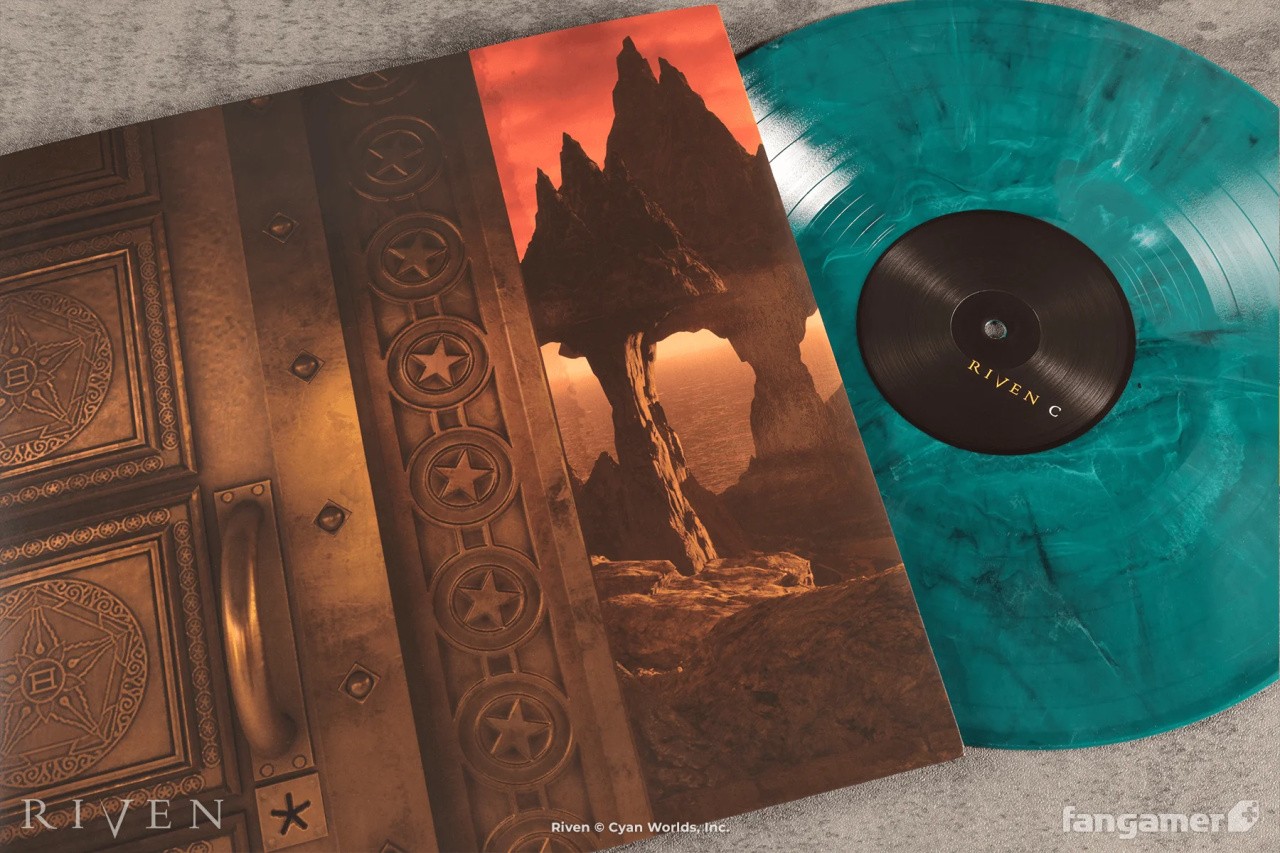
Fangamer, known for its high-quality collaborations with indie developers and classic franchises, found itself in an awkward position. The company has a publicly stated internal policy that prohibits the use of generative AI art in its products. In a statement addressing the backlash, Fangamer clarified that its involvement in the Riven project was limited to layout, typography, and the technical aspects of production. They claimed they were unaware that the primary illustration provided by the composer had been generated using AI tools. This disconnect highlights a growing challenge in the industry: how to verify the "purity" of assets provided by external partners and legendary creators.
To mitigate the damage, Fangamer has taken an aggressive stance on customer satisfaction. The company is offering a "no-questions-asked" return and refund policy for any customer unhappy with the purchase. This move is designed to preserve their reputation as a fan-first organization, even as they deal with the fallout of a product that directly contradicts their corporate values. While video game reviews often focus on the digital experience, the physical presentation of a game's legacy is just as vital to its long-term preservation, and this incident has cast a shadow over what should have been a landmark release.
New Policies Impact Future Partnership Agreements
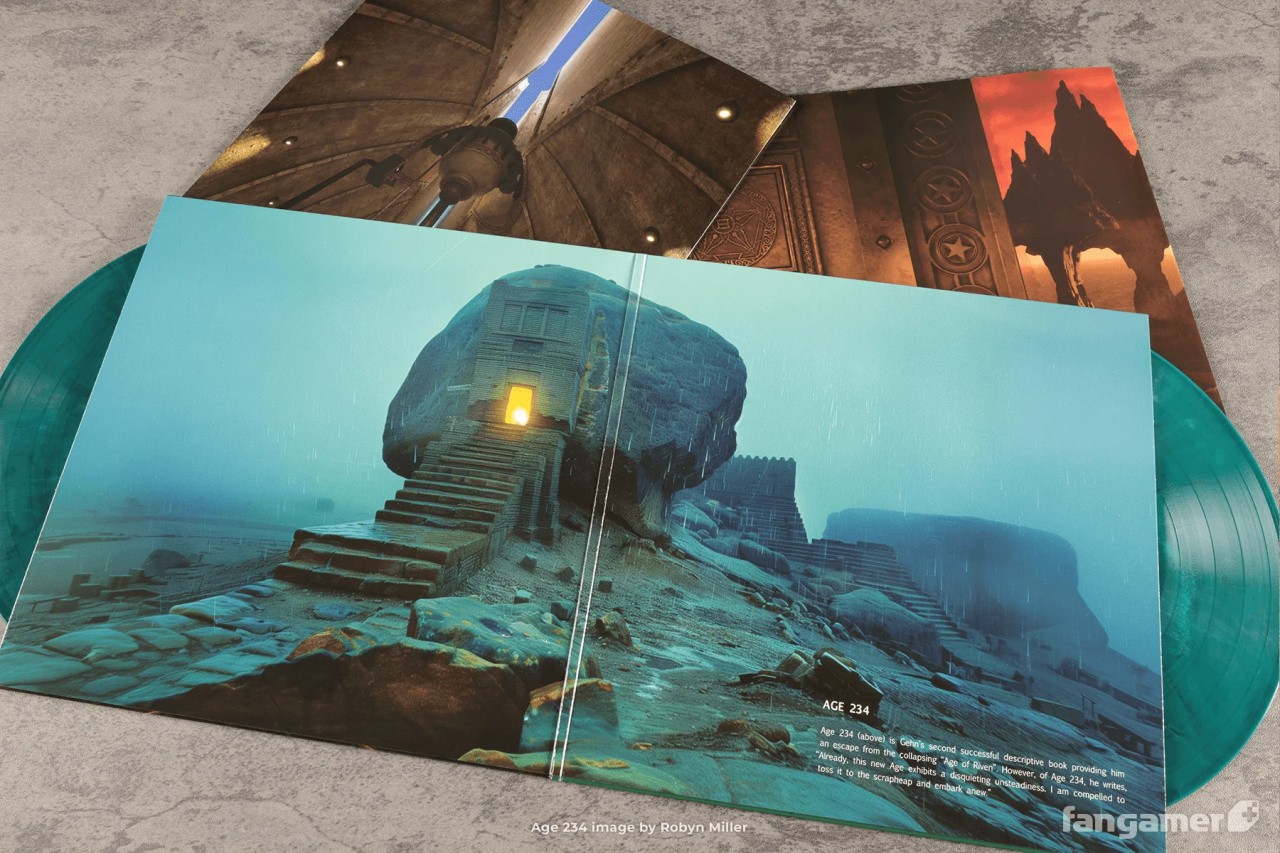
The fallout from this event is already leading to systemic changes within the company. Fangamer has announced a comprehensive overhaul of its artist and partnership agreements to ensure this never happens again. These new contracts will formally govern the use of AI, requiring explicit disclosure and strictly prohibiting generative tools in the creation of commissioned or licensed artwork. This shift reflects broader gaming trends where "human-made" is becoming a premium marketing label, much like "organic" or "hand-crafted" in other industries.
As we see more of these incidents, the line between tool and replacement continues to blur. The Riven situation is unique because it wasn't a faceless corporation trying to save a few dollars, but a legendary artist experimenting with new technology. However, the community's reaction suggests that for many fans, the soul of a product like the myst soundtrack lies in the human effort behind every pixel and note. This policy update is a necessary step for Fangamer to regain its footing and ensure that future releases meet the high standards their audience demands.
Forecasting the Future of Physical Media
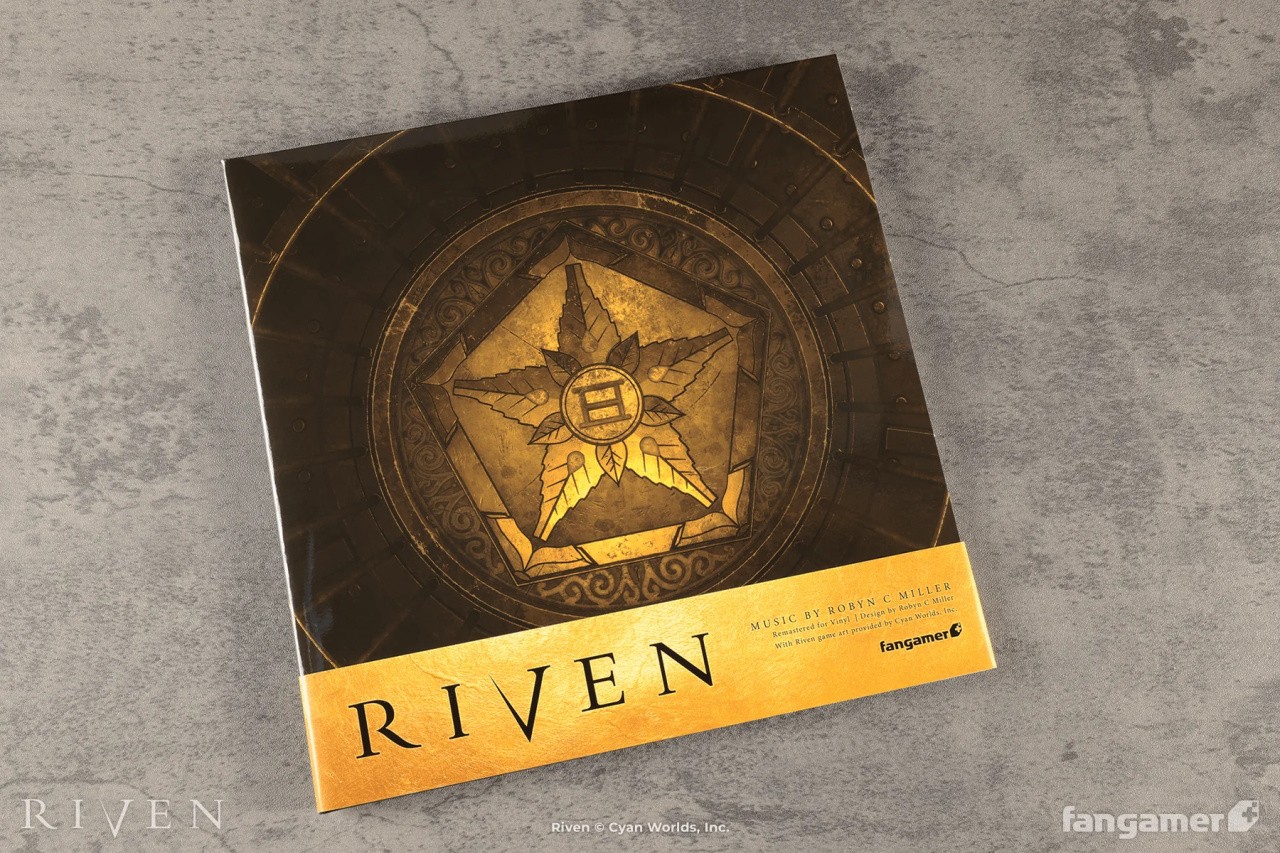
Expect boutique publishers to implement much more rigorous "art audits" for all future physical releases to avoid similar PR disasters. The tension between veteran creators using new tools and a fanbase that demands traditional craftsmanship will likely lead to a new era of "certified human-made" labeling on gaming merchandise. Ultimately, the success of future collector's editions will depend on a transparent creative process that prioritizes the artist's hand over the algorithm's efficiency.
Frequently Asked Questions
Can I get a refund for the Riven vinyl?
Yes, Fangamer is offering a no-questions-asked refund or cancellation for any customer unhappy with the AI-generated art. You can process this by contacting their customer service department directly.
How did the ai controversy start?
The controversy began when fans noticed visual inconsistencies in the gatefold art that were characteristic of generative AI. It was later confirmed that composer Robyn Miller used AI tools to create the illustration.
What is Fangamer's policy on AI art?
Fangamer has a strict policy prohibiting generative AI in its products and is currently updating its partnership agreements to legally enforce this rule. They have stated that they were unaware of the AI use in this specific instance.
Confirmed details first, useful context second. This is the quickest path to the source trail and the next pages worth opening.
Source date: May 10, 2026