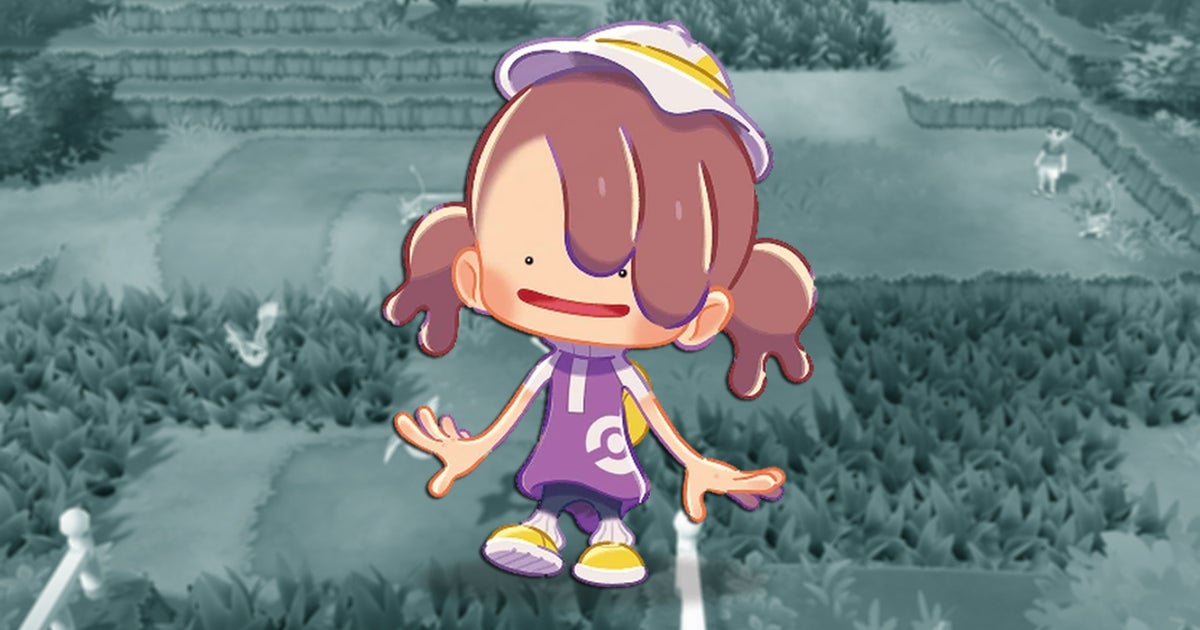
Pokopia Fans Tackle Kanto Map Recreation: Progress and Design Hurdles
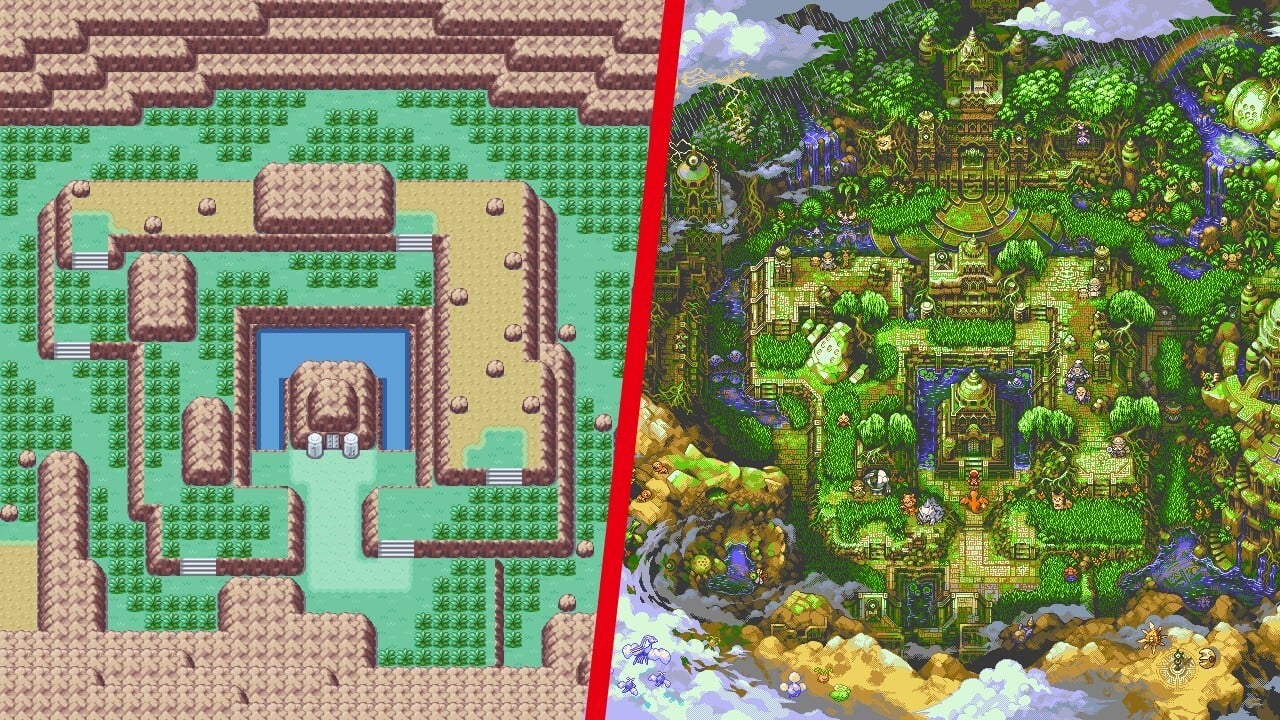
What happens when an entire generation of gamers decides to rebuild a beloved world, block by painstaking block? The sheer scale of the ambition behind the massive Kanto map recreation project has left the gaming community stunned. But is the fidelity worth the compromise? Fans are watching every move, analyzing the compromises made during the Kanto map recreation progress, and debating whether a perfect digital replica is even possible.
What this means for players: The effort proves the deep, enduring emotional connection players have to classic titles, potentially inspiring new community-driven development tools and meta-games within the Pokopia ecosystem.
- The ambitious Kanto map recreation is underway using Pokopia's block-building tools.
- The project highlights major design compromises, forcing the removal or "squishing" of original routes and cities.
- The latest updates confirm the immense technical difficulty of translating complex, established game maps into a Minecraft-like format.
The popularity of the platform hosting this monumental project has only fueled the creative fervor. Pokémon Pokopia is currently a major hit on the Nintendo Switch 2, maintaining high player engagement through ongoing in-game events. The success of the platform itself provides the perfect sandbox for massive fan initiatives, allowing players to interact with and contribute to a shared, persistent digital world.
The Scope of the Kanto Project
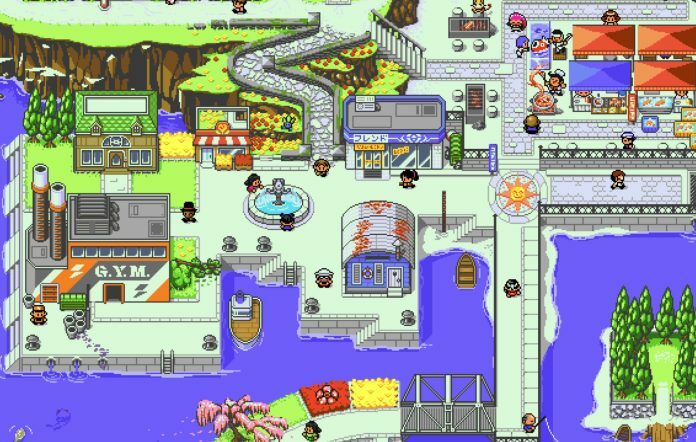
When a project aims to recreate an entire region like Kanto—a foundational pillar of the Pokémon canon—the scope is staggering. This isn't just a mod; it's a total, architectural undertaking. At the heart of this effort is dedicated player starguy13, who has taken on the monumental task of rebuilding the original Kanto map using Pokopia's Minecraft-like tools.
The initial progress shared by the player in March set the stage for what has become a continuous narrative of development. Since then, the updates have grown exponentially, showing a clear commitment to realizing the vision. The sheer volume of work required to simulate a sprawling, complex region is unprecedented for a community-driven effort.
Analyzing the Design Hurdles in Pokopia

Building a recognizable world is one thing; replicating the *feel* and *function* of a classic RPG map is another entirely. The latest updates regarding the Kanto map recreation progress reveal the immense technical hurdles. The challenge isn't just the pixels; it's the geometry and the established routes.
starguy13’s latest reports show that fitting every single original city and town into the block-building format necessitated significant design compromises. The player admitted to having to "cut quite a few routes and squish a few cities," a necessary evil when translating a highly optimized 2D map into a cubic, block-based environment. This difficulty is central to understanding the limitations of the current Pokopia Minecraft-like tools when attempting to capture the original Pokmon Pokopia design fidelity.
The player even suggested that if they wanted true fidelity, a fresh start would require beginning the build at "route 22 at the far western boundary," implying that the current structural limitations are forcing the project to deviate from the canonical starting points. This discussion alone fuels intense debate among the community about the true nature of the endeavor: Is it a perfect replica, or is it a creative, playable interpretation?
How Far Can Fan Recreation Take the Map?
This project goes far beyond simple nostalgia; it’s a live-action study in digital preservation and community craftsmanship. The sheer scale of the endeavor highlights the complexity inherent in translating established game maps into a block-building format. It requires not only architectural skill but deep knowledge of the original game’s layout, lore, and player flow.
The community's reaction has been a mix of awe and constructive criticism. While the progress is undeniable, the discussion around the necessary compromises—the "squishing" of areas—is keeping the conversation fresh and vital. It forces players to confront the difference between a perfect digital archive and a functional, playable experience.
This ongoing effort serves as a massive test case for fan-made content and the capabilities of sandbox platforms like Pokopia. The success of the Kanto map recreation progress will not only be measured by its completion but by how well it manages to balance historical accuracy with functional, modern gameplay within the constraints of the available tools.
Frequently Asked Questions
What is Pokopia?
Pokopia is a popular fan-created gaming platform, often featured on the Nintendo Switch 2, known for its extensive in-game events and community-driven development.
What design compromises are being made?
Due to the limitations of block-building tools, the recreation requires "squishing" or removing some original routes and cities to fit the entire Kanto region into the available map space.
When can fans expect more Kanto map progress?
The project is ongoing, with updates being posted as the dedicated player, starguy13, tackles the massive architectural challenges of the recreation.
Based on the current development pace, the Kanto map recreation will likely continue to face significant structural challenges in the coming months. Developers must prioritize the functional flow of the game over absolute pixel-perfect accuracy to maintain player engagement. The next major milestone will probably involve a focus on one specific, highly detailed region, like Pallet Town, before tackling the entirety of Kanto.
Confirmed details first, useful context second. This is the quickest path to the source trail and the next pages worth opening.
Source date: May 21, 2026