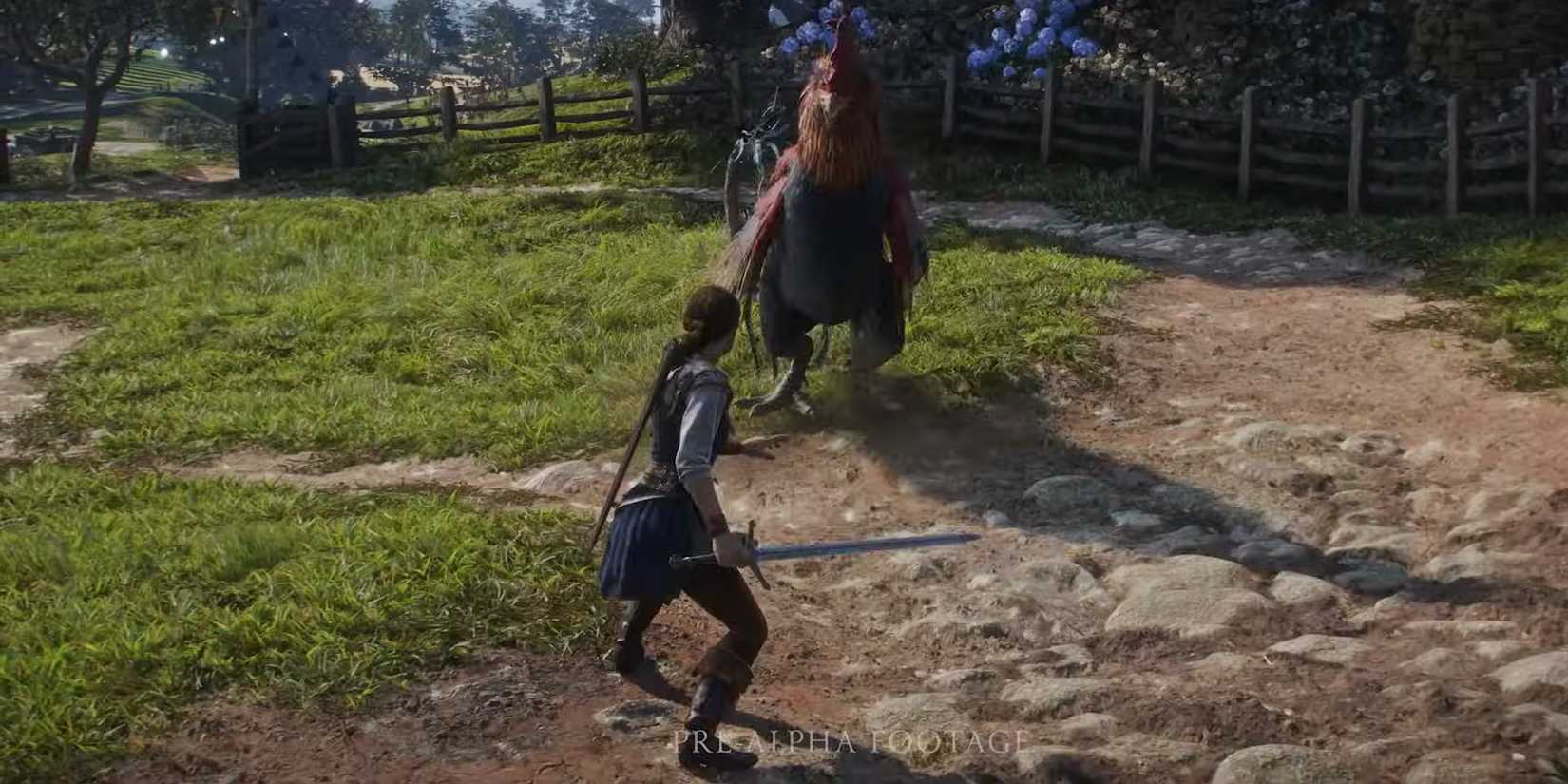
Analyzing the Latest Development Reports
Reports circulating on April 13, 2026, suggest that the development of the next Fable title may face another postponement, according to an internal source cited by Playfront. It is critical to understand that as of this writing, no official confirmation has been issued by Playground Games or any associated publisher regarding a delay. The information remains an unconfirmed report, but its emergence forces a necessary discussion about the immense challenges inherent in reviving a beloved, complex franchise like Fable. For players who have been eagerly anticipating a return to Albion, this report is significant because it signals potential instability in the development timeline, forcing the community to re-evaluate expectations for the scope and release window of the game.
The history of the Fable franchise is one of ambitious scope, blending deep RPG mechanics with a unique, often whimsical, British fantasy setting. While the original series enjoyed critical success, the modern era of game development presents technical and creative hurdles that are exponentially greater than those faced by its predecessors. The persistent nature of these delay reports—even when unconfirmed—suggests that the development team is grappling with monumental decisions regarding the game's final form. The core concern for industry watchers is whether the ambition of the vision is outpacing the current technical or budgetary resources allocated to the project. This analysis will explore the pressures building around the title, what these potential delays mean for the player base, and what the most important unresolved signals are for the franchise's future.
Where the Development Pressure Builds
The pressure surrounding a major franchise revival like Fable is rarely confined to a single department; it is a systemic pressure that touches every aspect of game design, technology, and market timing. When development reports hint at delays, the root causes usually fall into three major categories: technical scope creep, creative refinement, or market positioning. Given the nature of the Fable IP, the technical scope is arguably the most demanding element. Modern open-world RPGs require massive, seamless environments, complex character progression systems, and robust combat mechanics that must feel both weighty and fluid. Achieving this level of polish while maintaining the unique, character-driven narrative tone of the original games is a monumental task.
Furthermore, the creative refinement process is often the most unpredictable. Developers are not simply recreating a past experience; they are tasked with updating a beloved formula for a generation of players who have grown up with vastly different gaming standards. This requires balancing nostalgia—the elements players expect—with innovation—the mechanics that keep the game feeling fresh and modern. The internal reports suggest that the team may be making difficult trade-offs, potentially having to scale back certain features or redesign core systems to ensure the final product is cohesive and stable. This is a common, yet painful, part of AAA development, where the initial, boundless vision must be tempered by the realities of engine limitations and production schedules.
The pressure also extends to the market. The gaming landscape is intensely competitive. A major title like Fable must not only be excellent but must also arrive at a time when the market is receptive to its specific blend of humor, moral choice, and fantasy action. If the development cycle extends too far, the initial hype can dissipate, and the game risks being perceived as outdated or simply missing its optimal window. Industry experts often point to the need for a clear, focused Minimum Viable Product (MVP) that can be polished to a near-perfect state, rather than an overly ambitious, sprawling mess. The internal discussions are likely centered on achieving this perfect balance.
Interpreting the Franchise's Future Scope
The core question facing the Fable franchise is whether it can successfully translate its unique, deeply narrative-driven British folklore into a modern, technically demanding RPG without sacrificing its heart. The reports, even if unconfirmed, force the industry to consider the fundamental pillars of the IP. The success of the reboot hinges on maintaining the emotional weight of the player's choices, the charming absurdity of the world, and the satisfying depth of the character customization. If the development team is struggling with delays, it suggests that one or more of these pillars may be proving more difficult to implement than initially anticipated.
To better understand the potential areas of focus, it is useful to examine the key elements that define the Fable experience:
- Moral Choice System: The ability for player actions to have visible, lasting consequences on the world and characters.
- World Interactivity: The seamless integration of the open world with questlines and character encounters.
- Tone and Humor: Maintaining the unique blend of high fantasy and satirical British wit.
- Character Depth: Providing meaningful growth and narrative arcs for companions and NPCs.
The most critical unresolved signal for the player base is the commitment to the core identity. Will the game prioritize massive, technical spectacle—the sprawling battles and detailed environments—at the expense of the intimate, character-focused storytelling that defined the best parts of the original trilogy? Or will it maintain the narrative focus, even if it means a more contained, less technically overwhelming scope? The answers to these questions will define the next chapter of Fable.
Ultimately, the industry consensus suggests that a delay, while frustrating for fans, is often a sign of commitment to quality. A rushed, incomplete product would be far more damaging to the franchise's legacy than a carefully managed, extended development cycle. The focus must remain on the final, polished experience, ensuring that the emotional resonance of Albion is preserved for the next generation of players.
What This Means for Dedicated Players
For the dedicated fanbase, the current situation requires a shift from expectation to patience. The reports serve as a necessary, albeit painful, reminder that AAA development is a marathon, not a sprint. The best way for players to engage with the franchise during this period of uncertainty is to deepen their understanding of the source material. Re-engaging with the lore, the characters, and the unique tone of the original games can help manage the anticipation and keep the passion alive until a concrete date is announced.
The community should also adopt a critical, yet supportive, perspective when consuming future updates. Instead of focusing solely on the release date, attention should be paid to the *quality* of the development updates. Are the developers showcasing functional gameplay loops? Are they demonstrating how the moral choice system is being implemented? These tangible details provide far more value than any speculative date.
The long-term health of the Fable IP depends on a partnership between the developers and the community. By understanding the immense scope of the task ahead, players can better appreciate the dedication required to bring this world back to life. The goal is not just a game release, but a return to a beloved fantasy experience, and that requires time, meticulous polish, and an unwavering commitment to the original vision.
When was the last confirmed Fable update?
As of April 13, 2026, there are no confirmed updates or official release dates for the next Fable title. Reports regarding delays are unconfirmed.
What is the primary concern regarding the Fable reboot?
The primary concern is balancing the immense technical scope of a modern open-world RPG with the need to preserve the intimate, character-driven narrative and unique tone of the original games.
Are delays common in major RPG revivals?
Yes, delays are common in AAA RPG development due to the complexity of open-world design, technical hurdles, and the constant need for creative refinement.
Confirmed details first, useful context second. This is the quickest path to the source trail and the next pages worth opening.
Source date: April 13, 2026