The highly anticipated Expanse: Osiris Reborn just dropped its beta, giving players their first real taste of the action RPG. But what was meant to be a thrilling preview of the beloved sci-fi universe has instead ignited a firestorm of discussion around jarring performance issues and a controversial approach to art direction. What this means for players: The road to 2027 could be rockier than expected for this ambitious title, raising serious questions about its final polish and overall quality.
Expanse: Osiris Reborn Gameplay Revealed

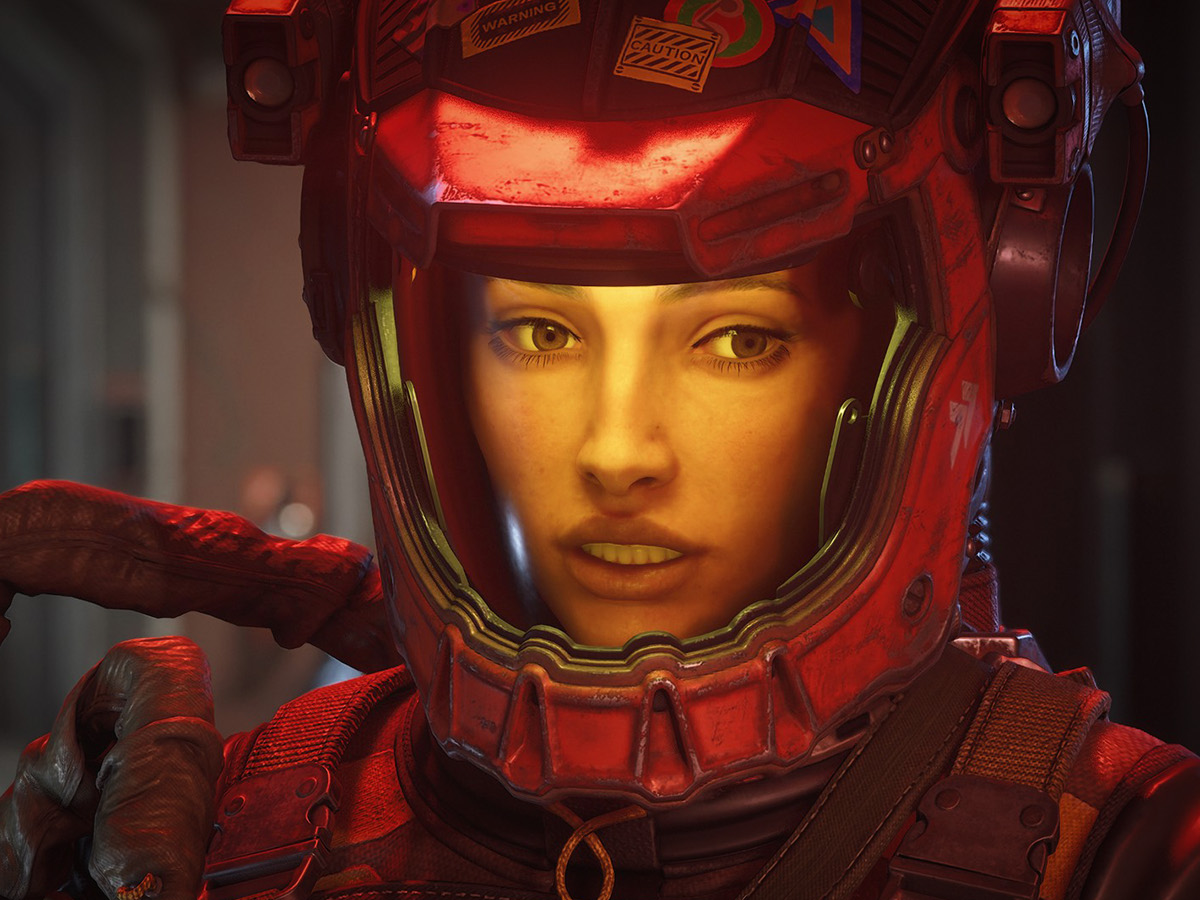
The recent beta release offered a comprehensive first look at the core gameplay mechanics of Expanse: Osiris Reborn. Players step into a third-person action RPG experience, centering on a main character, their twin sibling, and a small, tight-knit crew operating from a space station. The setup immediately evokes the character-driven drama fans expect from the Expanse universe, blending personal stakes with cosmic scale.
Mechanically, the beta showcased several intriguing systems. Players can strategically pause time, allowing for targeted enemy highlighting and precise command execution. Issuing partner commands, such as calling in a well-timed grenade blast, adds a layer of tactical depth to combat encounters. Beyond the action, dialogue choices promise to shape the narrative, while a robust skill tree system allows for meaningful character progression, letting players tailor their hero to their preferred playstyle.
Technical Concerns Plague Expanse Beta
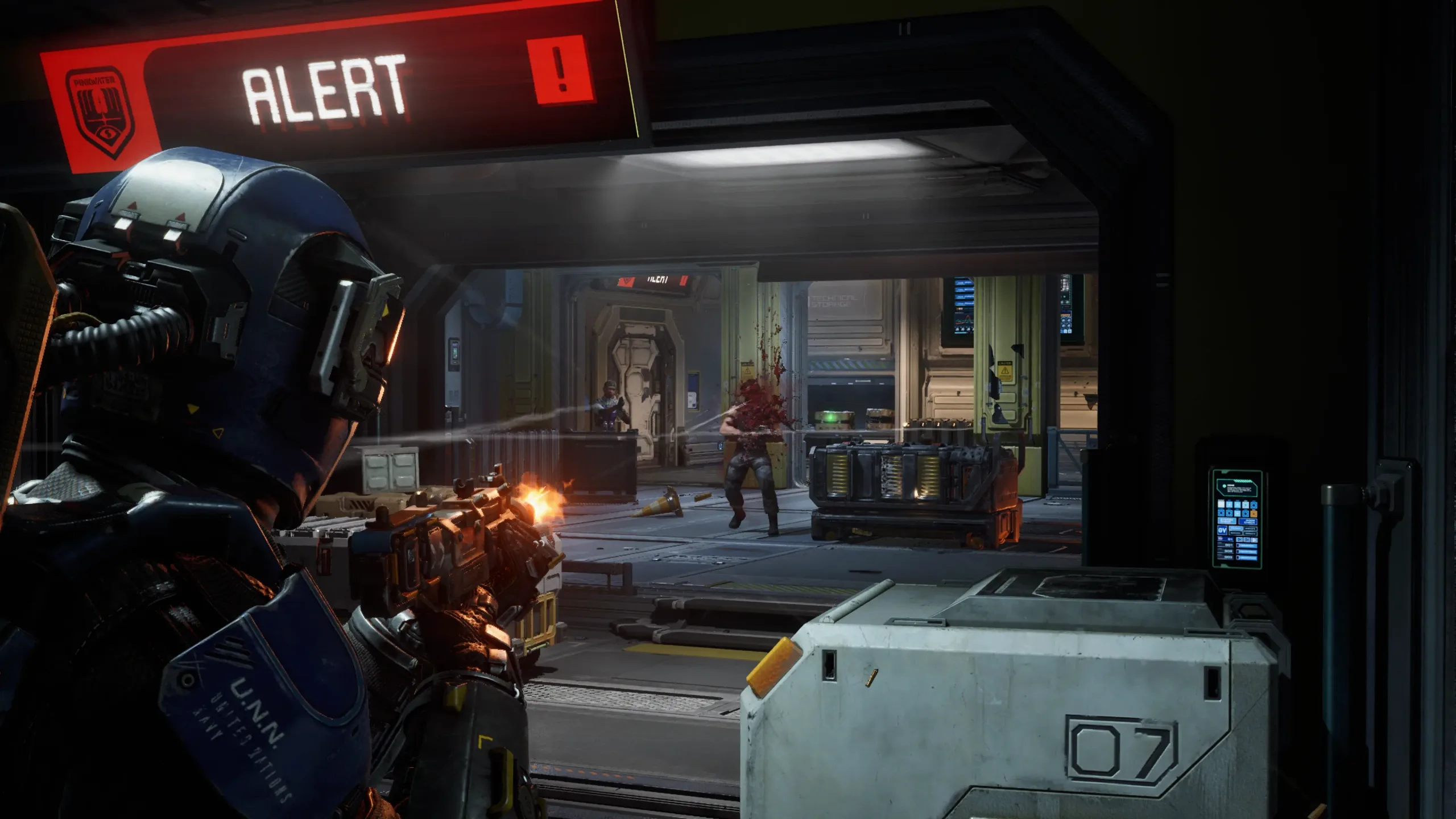
Despite promising gameplay foundations, the beta release of Expanse: Osiris Reborn has been marred by significant technical concerns. Reviewers widely noted an inconsistent and "wonky" framerate, particularly when running the beta on PS5. This kind of performance instability can severely impact player immersion and enjoyment, especially in a fast-paced action RPG.
Adding to the list of technical woes, the quality of cutscenes was described as "very uneven," detracting from pivotal story moments. Perhaps the most controversial point raised by critics and the community alike is the studio's explicit use of generative AI in development. This decision has prompted widespread questions regarding the final polish, artistic integrity, and overall creative direction of the game. For a title with such a rich narrative legacy, these technical and artistic concerns cast a long shadow over its development.
The gaming community is buzzing, and not always for the right reasons. Is this an early beta hiccup or a sign of deeper issues? The stakes are high for a game leveraging such a beloved sci-fi property.
Future Expectations for Expanse: Osiris Reborn
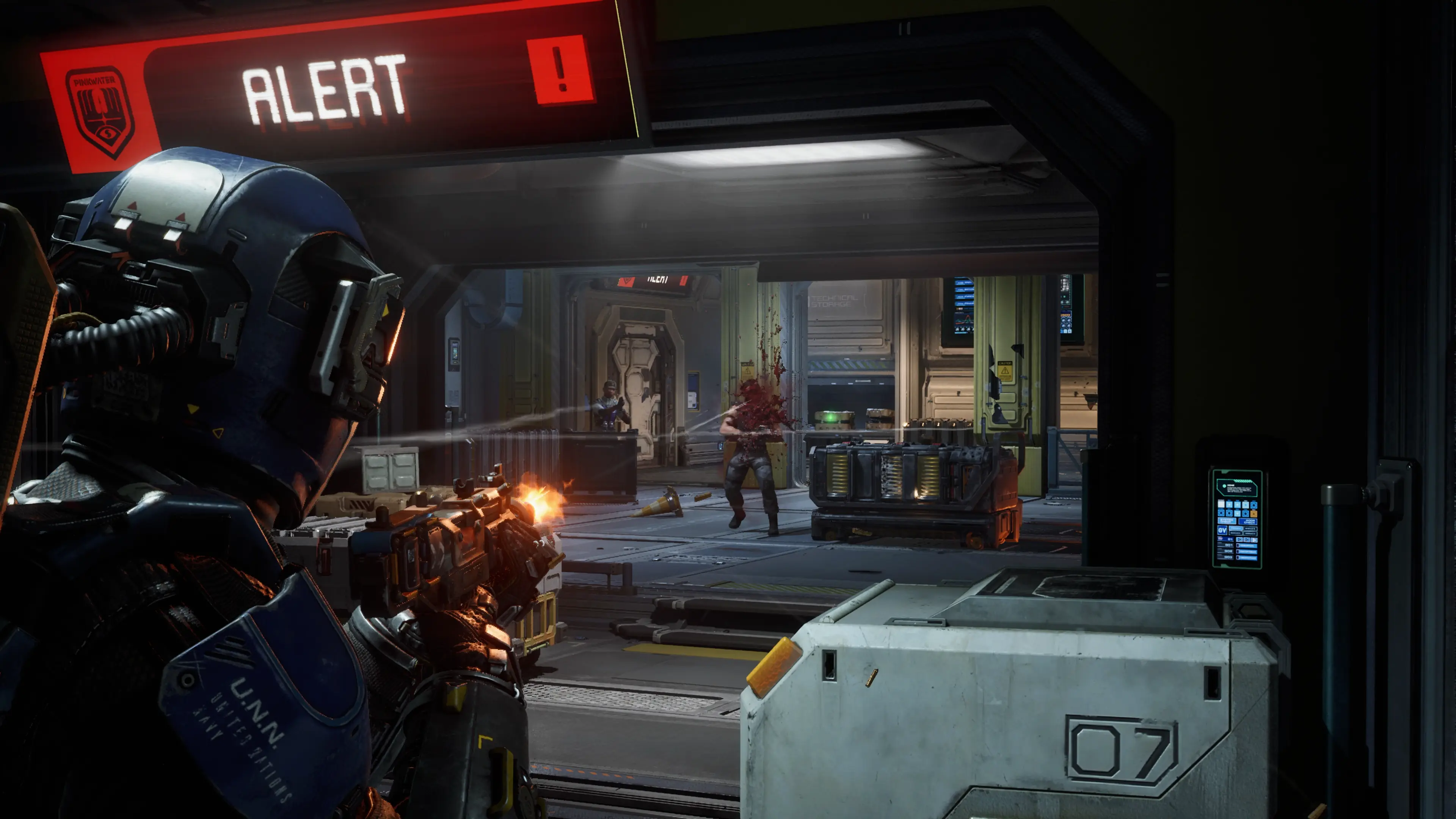
Looking ahead, the full release of Expanse: Osiris Reborn is currently slated for 2027. This extended development window offers the studio ample time to address the technical concerns highlighted by the beta release and refine the overall experience. However, the generative AI debate will likely continue to simmer, influencing public perception and developer choices.
Industry analysts suggest that transparent communication regarding these issues, especially the AI implementation, will be crucial for maintaining community trust. A strong focus on performance optimization and consistent artistic quality will be paramount to ensure the final product lives up to the Expanse name, rather than succumbing to its early technical stumbles.
Frequently Asked Questions
When is the full release date for Expanse: Osiris Reborn?
The full release of Expanse: Osiris Reborn is currently scheduled for 2027.
What kind of game is Expanse: Osiris Reborn?
It is a third-person action RPG that focuses on a main character, their twin sibling, and a small crew on a space station, featuring tactical combat and dialogue choices.
What are the main technical concerns from the beta?
Reviewers noted significant issues including an inconsistent framerate on PS5 and uneven cutscene quality, alongside concerns about the use of generative AI in development.
Confirmed details first, useful context second. This is the quickest path to the source trail and the next pages worth opening.
Source date: April 24, 2026