The servers are going down. Is the European Parliament finally ready to pass the consumer protections that could save the modern online gaming experience? The debate surrounding online game server protections just escalated, throwing the industry's legal future into sharp focus.
What this means for players: The conversation has moved from theoretical petitions to concrete legislative pressure, directly challenging the current "abandonware" business model used by some major titles. The speed and scope of any resulting law could fundamentally change how developers maintain multiplayer services.
- The debate on May 21st focused on the "Stop Killing Games" campaign's demand for server protection laws.
- The European Commission promised a formal reply before the summer, but the format (a 'communication') suggests potential non-legislative advice.
- Skepticism remains high, with critics pointing out the massive gap between the urgency of the issue and the expected timeline for action.
Server Shutdowns Under Scrutiny in Strasbourg
In a major session in Strasbourg, European politicians turned their attention to a topic that has angered millions of gamers globally: the sudden, often unexplained, shutdown of online game servers. The debate, fueled by the "Stop Killing Games" petition, centered on consumer protections and the precarious nature of digital service longevity.
The core argument presented by campaigners was clear: when a game's servers are shut down, players lose not just access to fun, but potentially invested time, money, and social connections. This isn't just about nostalgia; it’s about the structural failure of the current industry model, which often treats multiplayer games as disposable assets rather than continuous services.
During the plenary session, the petition highlighted that the lack of clear, standardized rules regarding service maintenance leaves players vulnerable to sudden corporate decisions. The push for stronger legal frameworks underscores the need for clear guidelines on **European Parliament online game server protections**.
The political momentum suggests that the EU recognizes the depth of the consumer complaint. The debate was far from a mere procedural formality; it was a direct confrontation between the massive, global video games industry business models and the rights of the individual player.
European Commission Reply to Petition Timeline

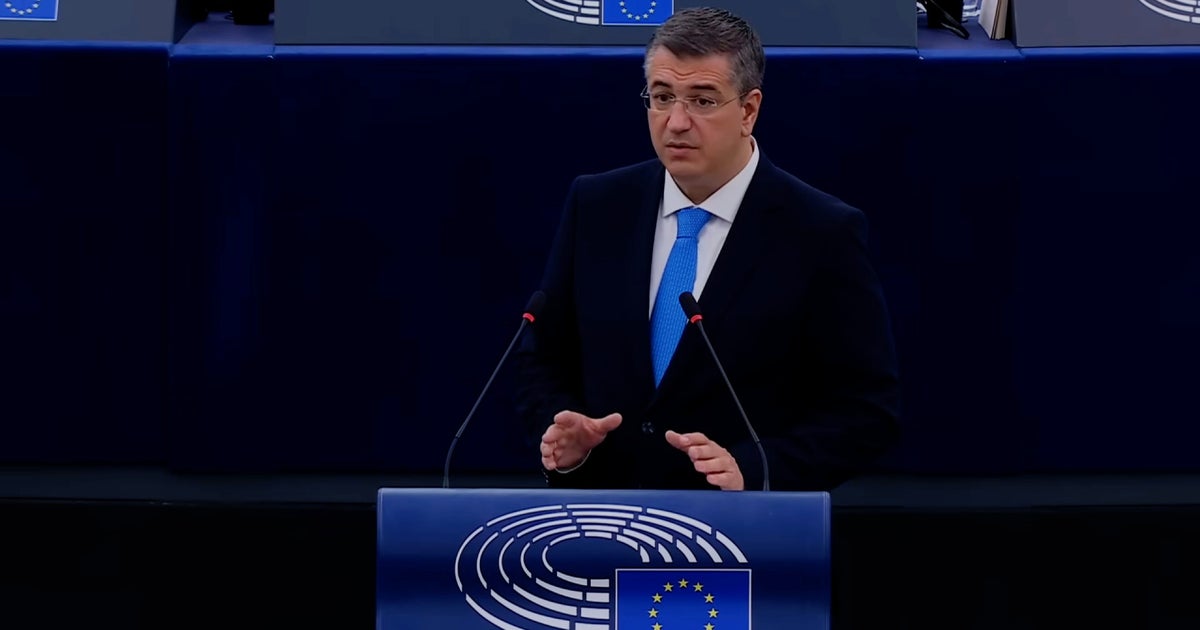
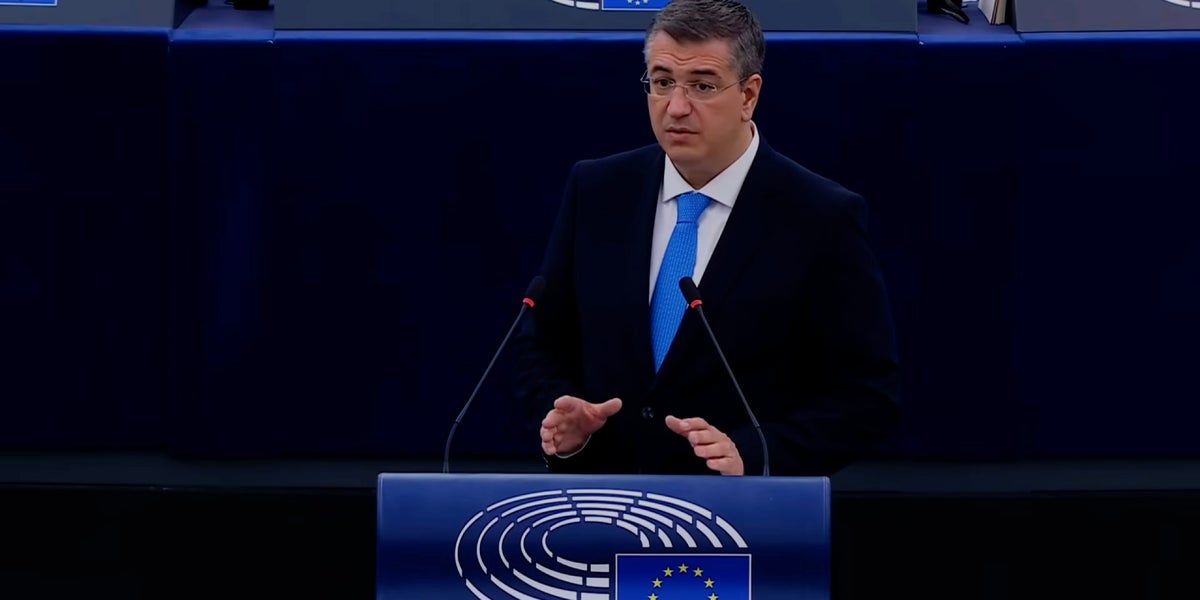
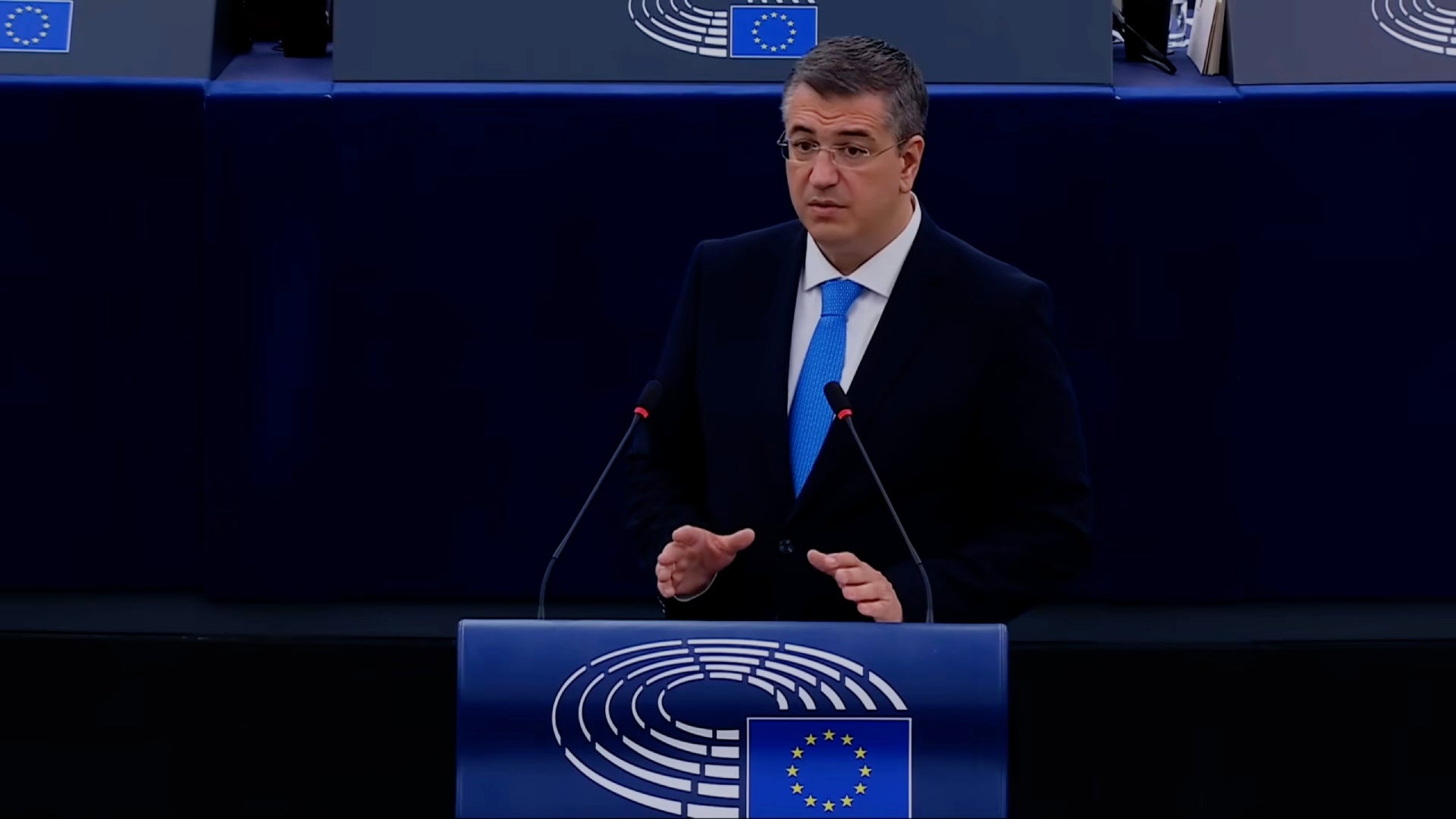
The immediate question that followed the heated debate was: when will any concrete action be taken? Addressing the petitioners, Apostolos Tzitzikostas, a representative from the European Commission, confirmed that a reply to the petition is anticipated "before the summer."
However, the details surrounding this promise introduce a layer of caution for the community. Tzitzikostas clarified that the Commission's role is to assess how existing EU regulations apply to this specific problem. The final output will be issued as a "communication," a term that requires careful interpretation by industry watchers.
Many gamers and advocates are already debating what this means. The immediate concern is whether a "communication" signals the creation of new, enforceable legislation, or if it will merely be an advisory report. This nuance is crucial, as the difference between a recommendation and a binding law determines the actual value of the entire debate.
The community response has been mixed, ranging from cautious optimism to outright skepticism. Moritz Katzner, an organizer with Stop Killing Games, pointed out this exact ambiguity. He noted that the Commission’s use of the term 'communication' suggests the response might not involve the creation of entirely new legal frameworks, potentially leaving key gaps in **online game server shutdown laws**.
Will European Parliament Online Game Server Protections Actually Change Anything?
The skepticism surrounding the timeline is palpable. MEP Catarina Viera, in a moment of humor that spoke volumes, compared the wait for definitive game law proposals to the famously long wait for a highly anticipated new release, much like the rumored *GTA 6* delay.
This comparison perfectly encapsulates the feeling among the consumer base: the urgency of the problem far outstrips the pace of political action. The industry needs clarity now, not a promise of action "before the summer."
This entire sequence of events—from the initial petition to the Commission's response—is defining a critical area of EU law. It forces a conversation about **consumer protections for online games** that transcends national borders, aiming to harmonize rules across the entire European video games industry business models.
The debate is essentially forcing a confrontation: are online games simply entertainment, or are they considered digital services requiring the same level of consumer safeguarding as utilities or essential subscriptions?
The political action, therefore, is not just about servers; it's about establishing a legal precedent for digital longevity. If the EU succeeds in creating a binding standard, it could set a powerful global benchmark for how digital service providers manage their commitments to players.
The ongoing focus on **European Parliament online game server protections** confirms that this issue is moving from niche advocacy to mainstream legislative concern, making it one of the most critical discussions facing the gaming industry right now.
Frequently Asked Questions
What are online game server protections?
These protections refer to potential laws that mandate minimum operational uptime, clear notice periods, and structured plans for service maintenance or closure for multiplayer games.
Does the European Commission response mean new laws?
Not necessarily. Since the Commission plans to issue a "communication," it may be an advisory report detailing how current laws apply, rather than proposing brand-new, binding legislation.
What is the "Stop Killing Games" petition about?
It is a consumer advocacy effort demanding stronger legal guarantees for online games, aiming to prevent the sudden and unprofitable shutdown of vital multiplayer game servers.
We can expect the Commission's communication to focus heavily on defining the term "essential digital service" within the EU market. Industry analysts predict that the final text will likely include a tiered system of responsibility based on the game's revenue and operational history. Ultimately, the debate will force developers to treat server maintenance as a core, long-term business cost, rather than an optional expense.
Confirmed details first, useful context second. This is the quickest path to the source trail and the next pages worth opening.
Source date: May 23, 2026