The dream of a restored Roman Empire has never felt more tangible, or more daunting. Paradox Interactive is fundamentally shifting how players interact with the map, moving away from abstract numbers and toward a living, breathing simulation of history. With the arrival of the massive 1.2 update, Europa Universalis 5 is doubling down on the granular details that grand strategy fans crave.
What this means for players: The grand strategy landscape is shifting toward deeper character-driven religion and granular economic management, making every provincial decision feel like a pivot point for your empire's survival. This isn't just a balance pass; it is a structural redesign of how power flows through the Mediterranean and beyond.
Balkan and Religious Systems Undergo Radical Revamp

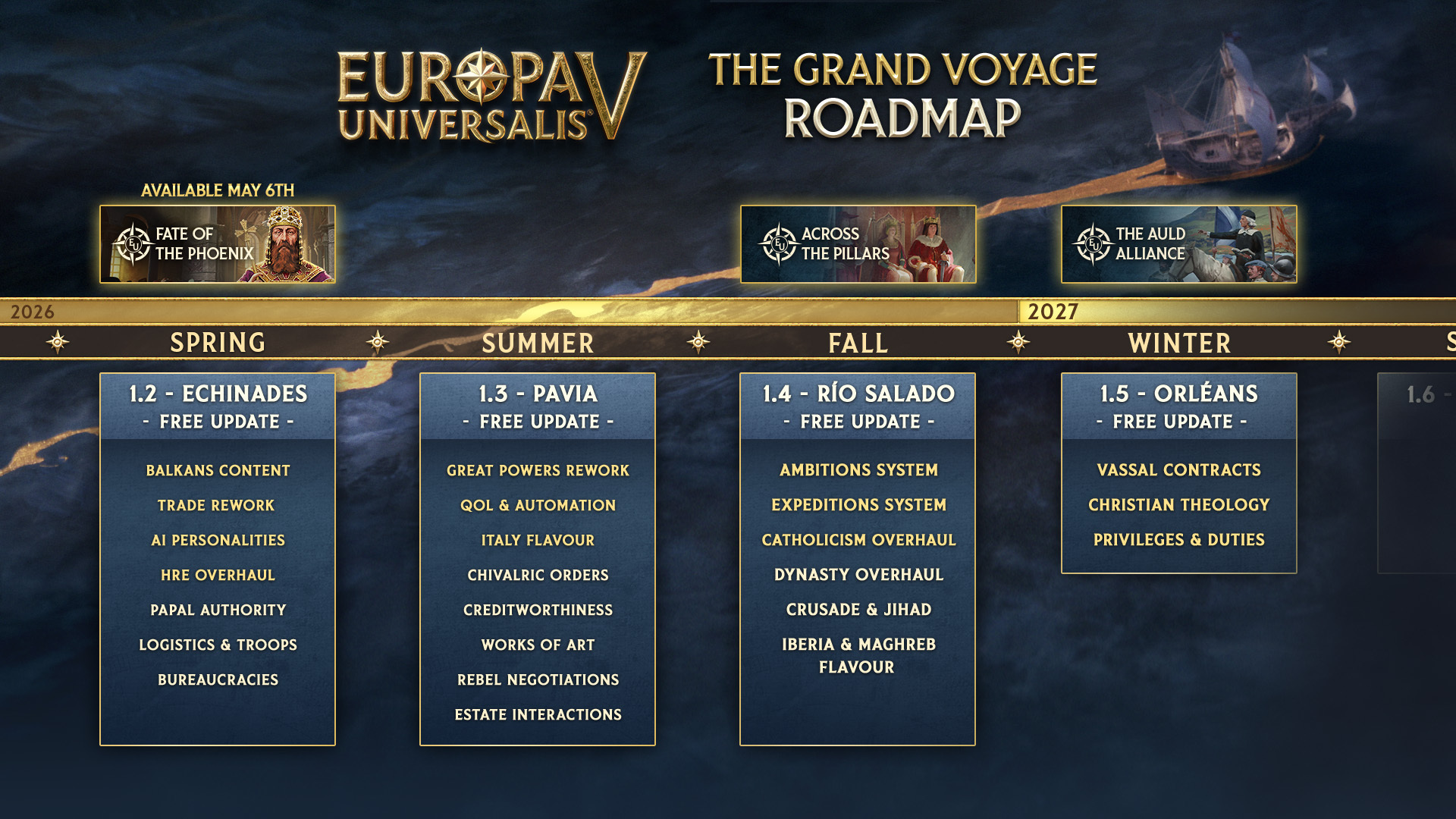
The 1.2 Echinades patch is a love letter to the powder keg of Europe. The developer has packed over 300 new advances and 150 Dynamic Historical Events specifically into the Balkan region. This isn't just flavor text; these events trigger based on shifting borders and cultural tensions, ensuring no two campaigns in Greece or the surrounding territories feel identical. Players can now access a suite of new formable nations, government reforms, and estate privileges that reflect the chaotic political reality of the era.
Perhaps the most significant change lies in the heavens. The Orthodoxy system has been completely rebuilt from the ground up. In a move that adds a layer of role-playing depth, Patriarchs are now playable characters within the state machinery. The old, somewhat static Law and Tenet system has been reworked to allow for more organic religious evolution. Crucially, the "Rite Power" metric has been retired, fully replaced by a new "Religious Influence" system that better simulates the soft power struggle between church and state. Europa Universalis 5 is clearly moving toward a model where faith is a tool of diplomacy as much as it is a source of internal stability.
Economic Structures and Imperial Systems Overhauled
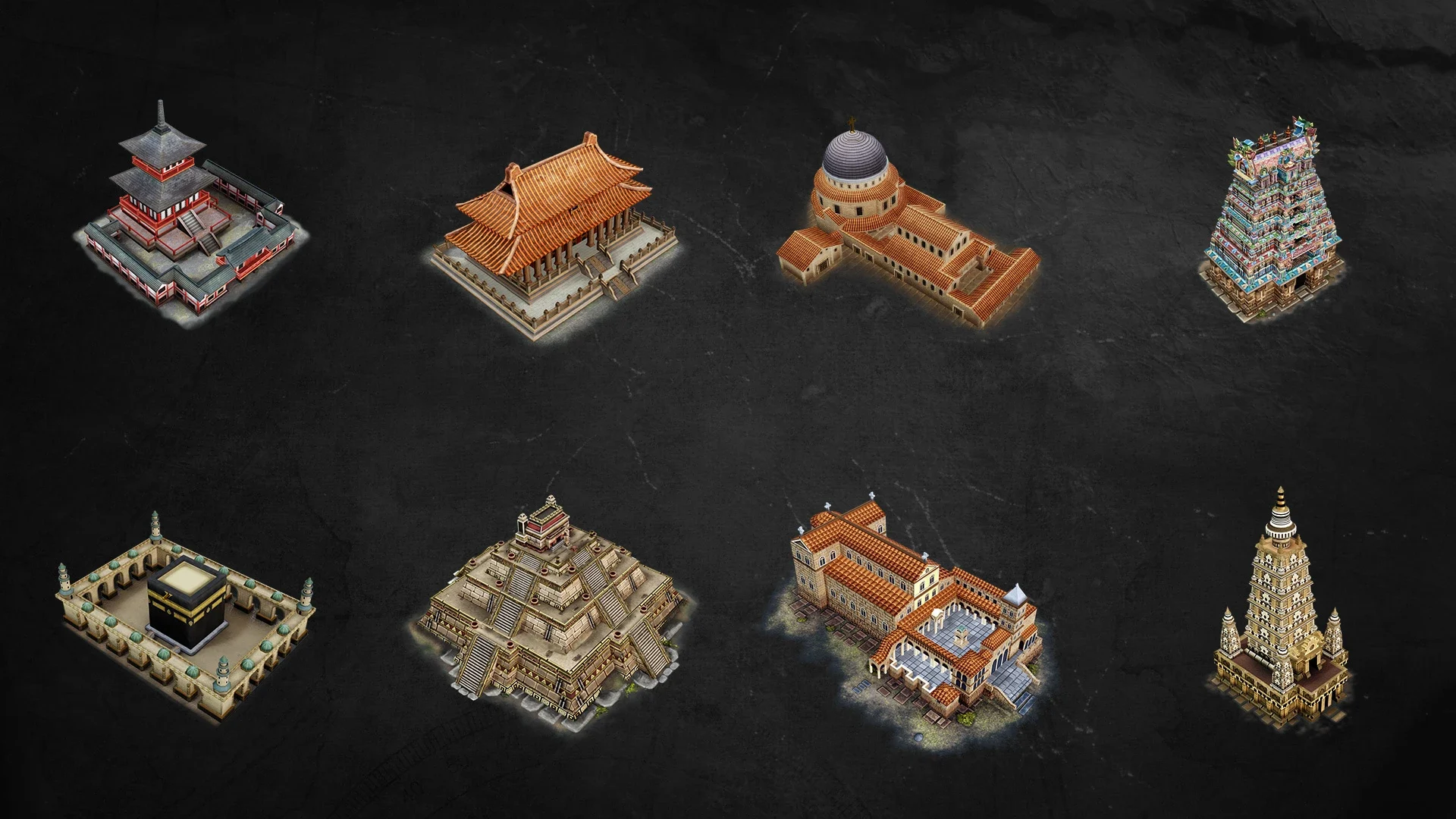
Managing a global empire requires more than just a large army; it requires a functioning treasury. The Echinades update introduces Trade Orders, a feature that allows players to automate and specialize their commercial networks. This is paired with the introduction of Urban Rights and the prestigious "Megalopolis" location rank. If you have ever wanted to turn a backwater fishing village into a world-dominating trade hub, the tools are now significantly more robust. These Economic Structures are designed to reflect historically accurate setups, punishing players who ignore local logistics in favor of rapid, unsustainable expansion.
The Holy Roman Empire (HRE) hasn't been left in the dark either. The "First Reich" has received a comprehensive overhaul, headlined by a new Imperial Diet system and a dedicated UI that makes managing the dozens of bickering princes much more intuitive. For the first time, the Emperor can call upon dedicated Imperial armies, provided they have the political capital to do so. This is bolstered by an advanced "AI Country Personalities and Disposition System," meaning your neighbors will now react to your expansion with much more human-like logic—or spite. A new Papal Authority system also adds a layer of tension for Catholic nations, forcing a constant balancing act between Rome and the local crown.
Byzantium DLC Leads Massive General Polish Effort
The headline for many will be the game's first major DLC, which centers its narrative weight on the crumbling Byzantine Empire. This content pack provides a high-stakes survival experience, tasking players with reversing centuries of decline against the rising Ottoman tide. It is a grueling, rewarding challenge that utilizes all the new Balkan mechanics to create a "last stand" atmosphere. But the update isn't just for those playing in the East. General Polish has been a major focus for the dev team, resulting in a staggering 2000 bug fixes in this patch alone.
Visual and accessibility improvements are also front and center. The map now features 3D City Walls that grow as a province develops, providing a clear visual indicator of your defensive strength. For those who find the classic Paradox font a bit of a strain, a new sans-serif font accessibility option has been added. Military logistics have been refreshed to reduce the micromanagement of troop movements, and a new in-game event viewer allows players to track the long-term consequences of their choices. Finally, the inclusion of official modding support at this stage ensures that the community can begin building their own total conversions and tweaks immediately, securing the game's longevity for years to come.
The Echinades update signals a transition for the series into a more character-driven and economically grounded experience. As players master the new Religious Influence and Trade Order systems, the meta will likely shift toward "tall" play and internal management. Expect the community to quickly push the limits of the new Byzantium content, finding increasingly creative ways to hold the walls of Constantinople against all odds.
Frequently Asked Questions
What is the main focus of the Europa Universalis 5 Echinades patch?
The 1.2 patch focuses on a massive overhaul of the Balkans and religious mechanics, specifically introducing playable Patriarchs and 300 new advances. It also implements major economic changes like Trade Orders and the Megalopolis location rank.
How does the new Religious Influence system work?
Religious Influence has completely replaced the old Rite Power metric to better simulate the political power of the church. It ties into the reworked Law and Tenet system, making the Orthodox Patriarchs active participants in state governance.
What does the first Byzantium DLC include?
The DLC provides a deep narrative campaign focused on saving the Byzantine Empire from collapse with unique events and challenges. It is accompanied by general game improvements like 3D City Walls and over 2000 bug fixes.
Confirmed details first, useful context second. This is the quickest path to the source trail and the next pages worth opening.
Source date: May 9, 2026